Argentina is huge, stretching from subtropical waterfalls in the north to glaciers and windswept islands at the bottom of the continent. That's why so many people want to visit Argentina and then struggle to plan it. You can eat steak and drink Malbec, hike beside blue ice, and dance tango all in one trip, if you pick your regions carefully.
This Argentina travel guide covers the places worth your time, when to go, how long to stay, where to base yourself, and the question most readers ask first, is Argentina safe? We'll answer that plainly, then help you build an Argentina vacation that fits your calendar.
Top Things to Do and Places to Visit in Argentina
If you're deciding on places to visit in Argentina, these are the ones that earn their flight time.
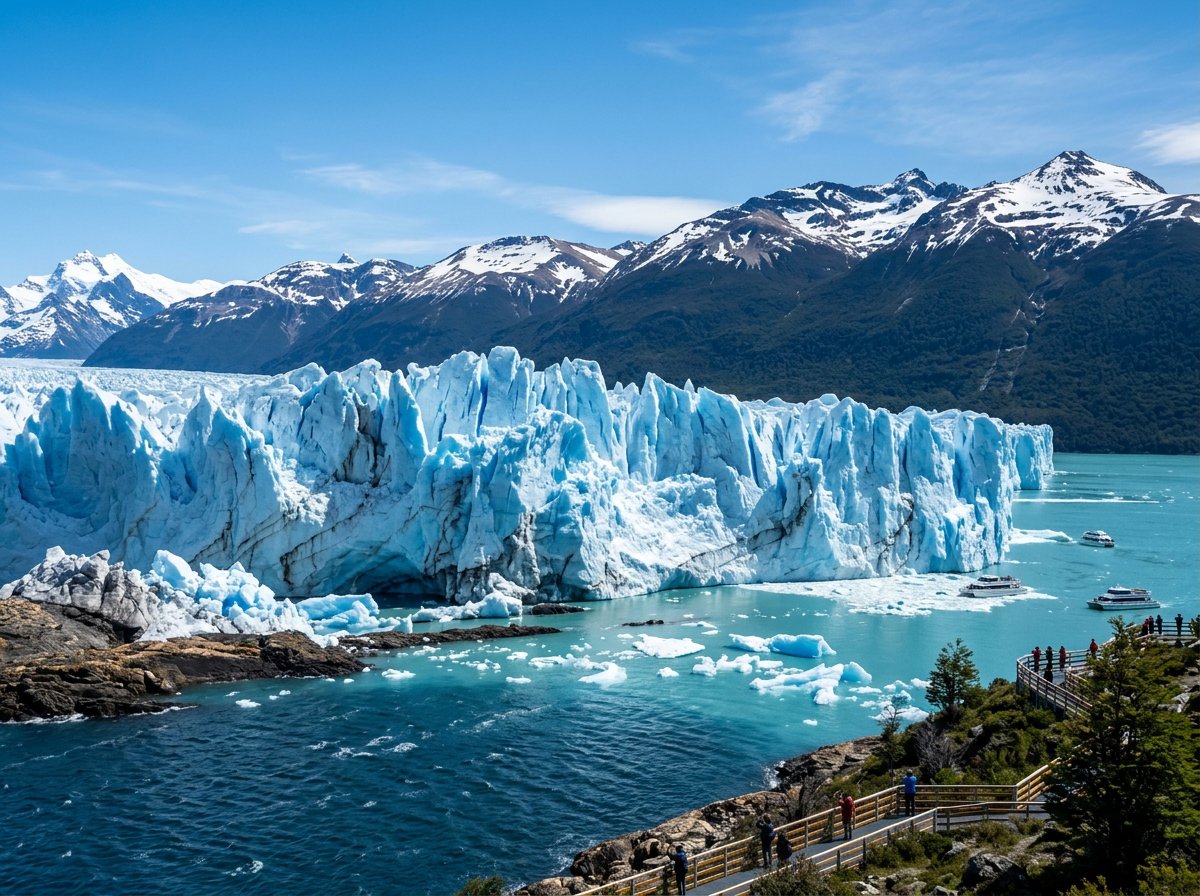
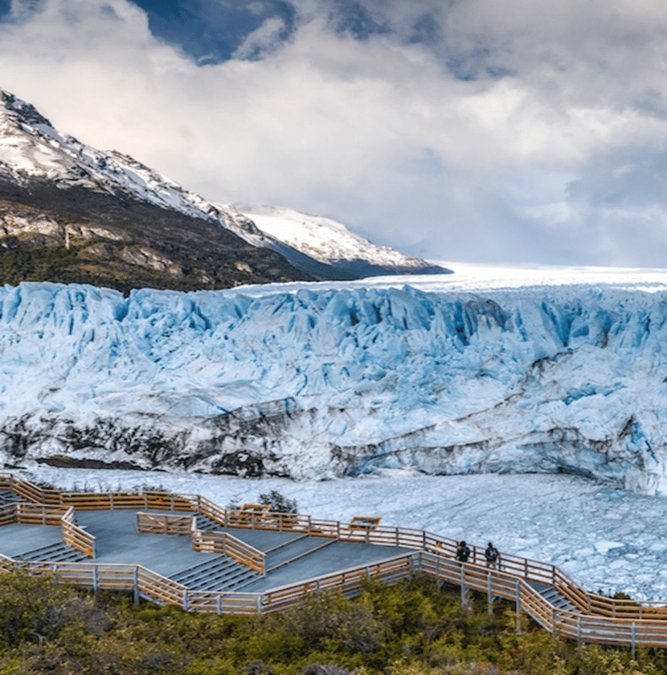
- Perito Moreno Glacier. Near El Calafate, this advancing wall of ice is famous for its loud calving. Walkways give you close views, and a boat ride adds a water-level perspective.
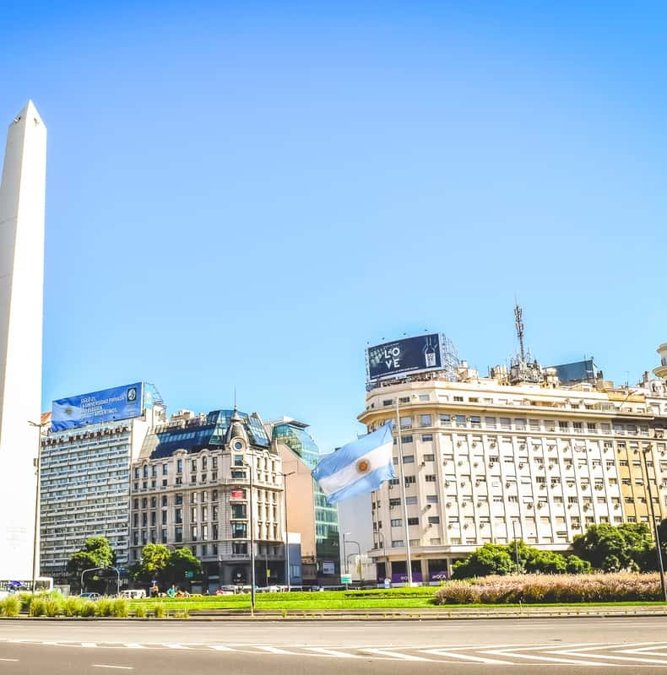
- Buenos Aires. Wander plazas, cafes, bookshops, and markets. Our guide to things to do in Buenos Aires goes deeper on the city.
- Iguazu Falls. A web of waterfalls in the jungle on the Brazil border. The Argentine side lets you walk right up to the Devil's Throat.
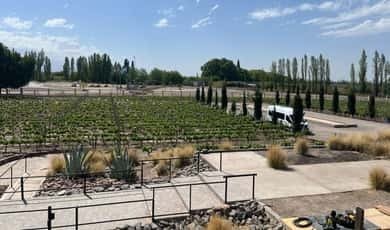
- Mendoza wine country. Vineyards sit beneath the Andes, and Malbec is the star. Our Mendoza guide covers tasting rooms and day trips.
- Los Glaciares National Park. Beyond Perito Moreno, you'll find lakes, icebergs, and boat routes that reach glaciers you can't walk to.
- El Chaltén. The trekking capital of Argentina, with day hikes toward the Fitz Roy peaks that need no technical skills.
- Ushuaia and Tierra del Fuego. This is the end of the road, with Beagle Channel cruises and mountain scenery. See our Ushuaia guide for details.
- Salta and Jujuy. Colonial towns, red canyons, and colorful hills in the northwest, a very different Argentina from the south.
- Bariloche and the Lake District. Alpine lakes, forests, and chocolate shops, plus skiing in winter.
- A gaucho ranch. Spend a day on an estancia with horses, folk music, and a long lunch off the grill.
Best Time to Visit Argentina by Region
Argentina sits in the Southern Hemisphere, so the seasons are flipped from the US. The best time to visit Argentina depends on where you're going.
Patagonia is best from late spring through early autumn, roughly November to March. Days are long, trails are open, and boats run regularly. Midsummer is the busiest, and the wind can be fierce at any time.
Buenos Aires and Mendoza shine in spring (September to November) and autumn (March to May). Temperatures are mild, and in Mendoza the grape harvest brings a festive mood in late summer and early autumn. Buenos Aires summers can be hot and sticky, and many locals leave the city in January.
Iguazu is hot and humid in summer, with heavy water flow. Winter is milder and more comfortable for walking the trails. The northwest is pleasant and dry in the cooler months. If you want to ski near Bariloche, plan on June through September.
Month by Month in Argentina
Oct to Nov and Mar to May offer mild weather, fewer crowds and good prices across most regions
How Many Days You Need in Argentina
Distances are big, and domestic flights eat time. Try not to cram everything into one trip. Here's a sample plan for about ten days, which is a comfortable first visit.
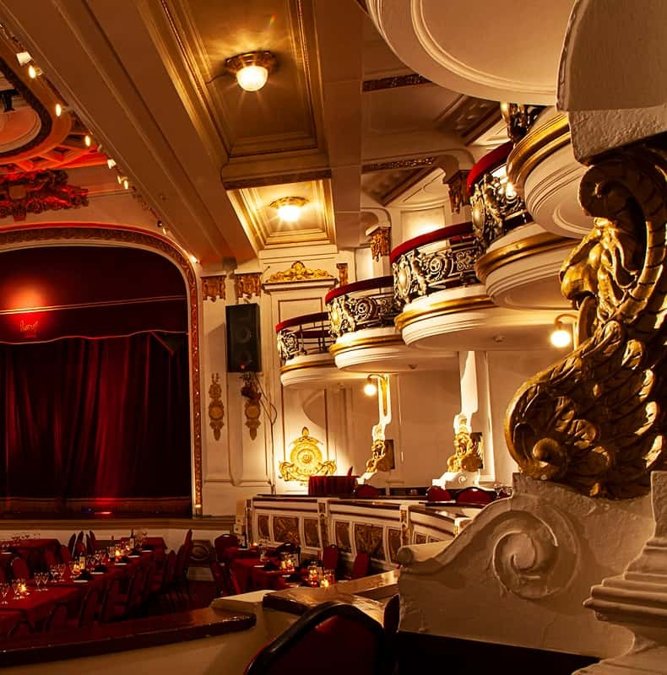
- Days 1 to 3, Buenos Aires. Do a city highlights tour on day one, then explore neighborhoods on foot. Add a tango show or a long steakhouse dinner.
- Days 4 to 5, Iguazu Falls. Fly up, spend a full day on the Argentine side, and rest the next morning before flying on.
- Days 6 to 8, El Calafate. Visit Perito Moreno on a glacier day and give another day to a cruise through Los Glaciares National Park.
- Days 9 to 10, Mendoza or back to Buenos Aires. Finish with wine tastings, or keep it simple with a ranch day trip near the capital.
With only a week, choose Buenos Aires plus one region. With two weeks or more, add Ushuaia, Bariloche, or Salta.
Where to Stay in Buenos Aires and Beyond
Most trips start in Buenos Aires, so choose your neighborhood well.
- Palermo. Leafy, trendy, and full of restaurants, bars, and boutiques. It's a good all-around base and feels comfortable at night.
- Recoleta. Elegant and quiet, with grand architecture, museums, and the famous cemetery.
- San Telmo. Cobblestones, antiques, and old tango halls. It has plenty of character but gets sleepy and a bit rough around the edges after dark.
- Puerto Madero. Modern waterfront with upscale hotels, though it lacks the neighborhood buzz.
Elsewhere, stay in El Calafate for the glaciers, or in El Chaltén if you want to hike. In Mendoza, choose the city for restaurants or a vineyard lodge in Luján de Cuyo or the Uco Valley for views. For Iguazu, Puerto Iguazú is the usual base.
Getting Around Argentina
Flying is the practical choice for long hauls, such as Buenos Aires to Patagonia or Iguazu. Most international flights land at Ezeiza, while Aeroparque handles many domestic routes from closer to downtown. Leave extra time for the transfer between airports if you're connecting.
Within Buenos Aires, the Subte (subway) is cheap and handy for the center, and taxis and ride apps fill the gaps. Long-distance buses are comfortable and a good option for overnight trips in many regions. In Patagonia and the wine regions, a guided tour or a rental car gives you the most freedom. Pay attention to wind and weather on mountain roads.
Is Argentina Safe? Honest Advice for Visitors
For most travelers, yes. Millions of visitors come each year without incident, and Argentines are known for being warm and helpful. The main concern is petty crime in big cities, especially Buenos Aires, where pickpocketing and phone snatching happen. Violent crime against tourists is much less common.
A few habits go a long way. Don't walk along a curb with your phone out, since thieves on motorbikes target that. Keep your bag zipped and in front of you on the Subte and in crowded markets. Use licensed taxis or ride apps at night instead of walking long distances through quiet areas. Leave expensive jewelry at home and keep a copy of your passport.
Protests and strikes sometimes disrupt traffic in the capital, so check local news and build slack into travel days. Money rules and exchange practices have changed several times in recent years, so look up current guidance on payments and cards before you leave. Also confirm entry requirements for US citizens and consider travel insurance that covers medical care. If you'd rather not navigate logistics alone, a guided day through our Argentina tours takes care of transport and planning.
Argentine Foods and Drinks Worth Trying
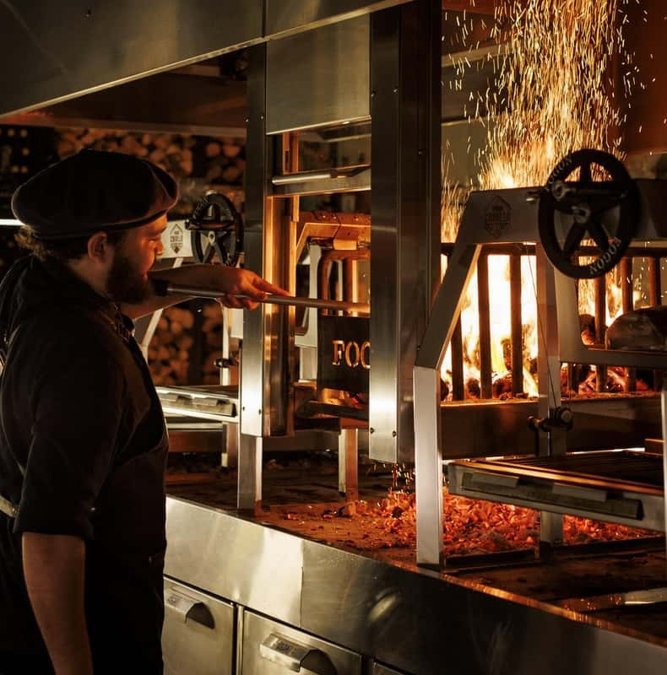
Meat is the headline. An asado is a slow grilled feast of beef cuts, sausages, and sides, and a tasting-style meal is a great way to sample the different cuts. Start with provoleta, grilled melted cheese, or empanadas, which vary by region.
Other favorites include milanesa (breaded cutlet), choripán (chorizo sandwich), and locro, a hearty stew from the northwest. For breakfast or an afternoon snack, order medialunas with coffee. Sweet tooths should try dulce de leche and alfajores, sandwich cookies filled with it.
Wine is a must. Mendoza's Malbec is the classic, and olive oil tastings often pair well with winery visits. Locals also drink mate, a bitter herbal tea shared from a gourd. Dinner starts late, often after 9 p.m., so adjust your schedule.
What to Book Ahead for Your Argentina Vacation
Some experiences fill up or require transport that's hard to arrange on your own. Our tours in Argentina cover many of the ones travelers ask about most.
- Glacier days. Perito Moreno and Los Glaciares visits, with or without a boat cruise, are best reserved before you arrive, especially in summer.
- Iguazu Falls. A full-day tour of the Argentine side helps you cover the trails and viewpoints efficiently.
- Wine and olive oil tastings. A guided route around Mendoza means you can taste freely without worrying about driving.
- Buenos Aires highlights. A guided city tour with a hotel transfer is a smooth first-day option.
- Gaucho ranch day trips. These are popular for a taste of countryside life from the capital.
- Meat tastings and sunset rides. An Andes horseback ride ending in a barbecue, or a multi-course asado dinner, makes a memorable evening.
Book the big-ticket days first, then leave some room to wander. Argentina rewards a slower pace, and a long lunch might be the highlight of your trip.