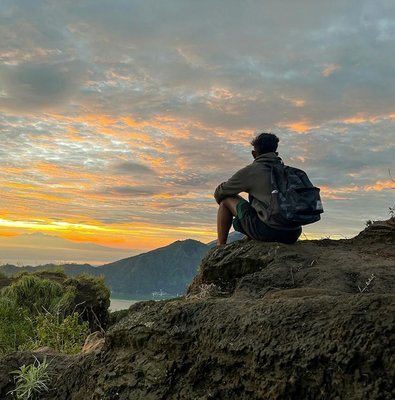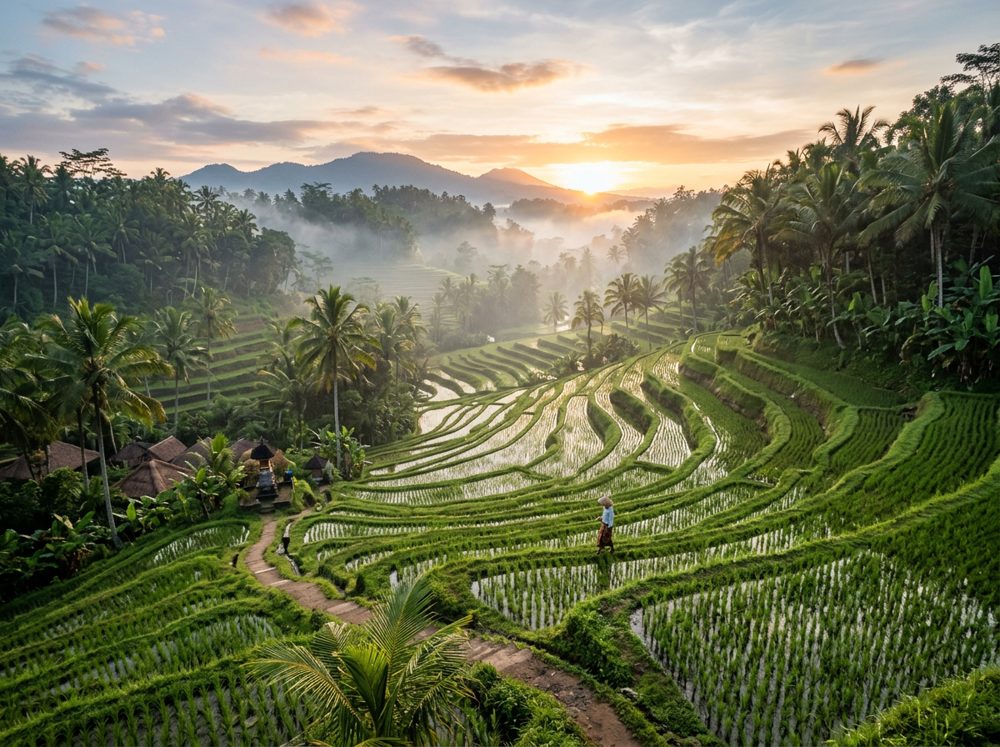
Indonesia is a huge country of volcanoes, rice terraces, reefs, and temples, and an Indonesia vacation can look very different depending on where you land. Most first-timers start in Bali, then add Java, Lombok, Komodo, or a few days of island hopping.
So is Indonesia safe? For most American travelers, yes, with the same common sense you would use anywhere new. This guide covers the best places to visit, when to go, how long to stay, where to sleep, how to get around, and what is worth booking before you leave home.
Best Places to Visit in Indonesia for First-Timers
If you are weighing places to visit in Indonesia, think in regions rather than individual islands. Each one has a different mood.
- Bali is the easy entry point, with temples, beaches, surf, spas, and a great food scene.
- Nusa Penida is a rugged island just offshore, known for dramatic cliffs and clear water.
- Yogyakarta and Central Java bring Borobudur and Prambanan, two of Southeast Asia's great temple complexes.
- Komodo National Park is the place for Komodo dragons, pink-tinged beaches, and boat trips.
- Lombok and the Gili Islands are quieter, with car-free islands and the trek up Mount Rinjani.
- East Java has Mount Bromo and the blue-fire crater of Ijen for serious volcano fans.
- Raja Ampat is a remote dive paradise for people with time and a bigger budget for logistics.
Most one or two week trips combine Bali with one other region. Trying to cover more than that usually means too much time in airports.

Top Things to Do in Bali, Indonesia
Bali is small enough to sample a lot in one trip. Here are the things to do in Bali, Indonesia that travelers tend to love most.
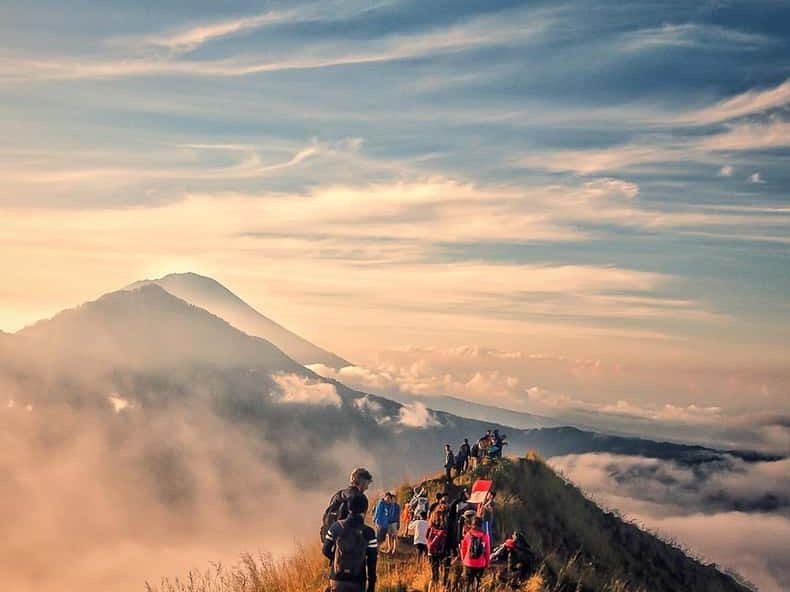
- Hike Mount Batur at sunrise. You start in the dark, climb to the crater rim, and watch the light spread over the lake and neighboring volcanoes. Many tours add breakfast cooked by volcanic steam or a soak in natural hot springs afterward.
- Explore Ubud. Wander the art markets, galleries, and the Monkey Forest, and plan a slow morning at a cafe.
- See the Tegallalang rice terraces. Go early for the best light and thinner crowds.
- Visit Tirta Empul. This water temple is a working place of worship where visitors can watch (or join respectfully in) purification rituals.
- Ride an ATV through the jungle. Ubud-area quad bike rides roll through mud, rice fields, and small villages, and are a fun break from temple touring.
- Catch sunset at Uluwatu Temple. The clifftop setting is spectacular, and the evening Kecak fire dance is a classic.
- Take a day trip to Nusa Penida. Kelingking Beach, Broken Beach, and Crystal Bay are the headliners, and snorkeling stops there can include manta rays when conditions are right.
- Surf or learn to surf. Canggu and Kuta suit beginners, while Uluwatu has famous reef breaks for experienced surfers.
- Watch the sunset at Tanah Lot. It is busy, but the sea temple on its rock is memorable.
- Book a spa day. Balinese massage is excellent value and a good way to recover from long hikes.
If you want a broader list of things to do in Indonesia beyond Bali, add Borobudur at sunrise, a Komodo boat trip, and a few days in the Gilis.
Month by Month in Indonesia
Dry season from May to September is best, with July and August busiest and priciest
Best Time to Visit Indonesia and Bali
The best time to visit Indonesia for most travelers is the dry season, roughly April through October. Skies are clearer, humidity is lower, and volcano hikes and boat trips run more reliably. The wet season runs roughly November through March, with heavy afternoon downpours, though mornings are often fine and prices and crowds drop.
For the best time to visit Bali, Indonesia, aim for May, June, or September. You get dry weather without the crush of July and August, which are the busiest months, along with the Christmas and New Year stretch. Bali is warm all year, so even rainy-season trips can work if you stay flexible.
Keep in mind that Indonesia spans a wide area, so weather varies. Parts of the eastern islands are drier at different times, and Raja Ampat has its own rhythm. Check regional conditions if you are heading well off the Bali circuit.
How Many Days You Need in Indonesia
Plan on at least five days for Bali alone and ten to fourteen if you want a second region. Travel between islands eats more time than most people expect.
Here is a sample seven-day Bali itinerary.
- Days 1 and 2, Ubud. Rice terraces, Monkey Forest, a water temple, and an easy evening.
- Day 3. Do the Mount Batur sunrise hike, then take a hot springs soak and a nap.
- Day 4. Join a full-day highlights tour, or ride an ATV in the morning and explore temples after lunch.
- Day 5. Move to the coast, and spend the afternoon at the beach in Seminyak or Canggu.
- Day 6. Take a Nusa Penida day trip by fast boat.
- Day 7. Spend the day around Uluwatu, with a clifftop sunset to end the trip.
With extra days, fly to Yogyakarta for the temples or to Labuan Bajo for Komodo.

Where to Stay in Bali by Neighborhood
Bali's areas feel very different, so choose based on the trip you want.
- Ubud is the cultural heart, surrounded by jungle and rice fields. It works well for first-timers and is a convenient base for Batur.
- Seminyak is polished, with beach clubs, boutiques, and plenty of restaurants.
- Canggu is a laid-back surf town with cafes, coworking spaces, and a younger crowd.
- Uluwatu has cliffs, surf breaks, and resorts with big ocean views.
- Sanur is calmer and family friendly, with a shoreline path and easy boat access to Nusa Penida.
- Nusa Dua is the resort enclave, with gated properties and tidy beaches.
Splitting your stay between Ubud and a beach area is a classic way to see both sides of Bali.
Getting Around Bali and Between the Islands
Most visitors reach Indonesia through Bali's Denpasar airport or Jakarta. Domestic flights are the practical way to hop between major islands, and fast boats connect Bali with Nusa Penida and the Gilis.
On Bali, public transport is limited. Ride-hailing apps like Grab and Gojek work in many areas, though some pickup zones are restricted. Hiring a private driver for the day is common and usually the easiest way to cover several sights. Traffic is heavy around Canggu, Seminyak, and Ubud, so build in buffer time.
Renting a scooter is tempting, but roads are chaotic and accidents are one of the most common ways visitors get hurt. If you are not an experienced rider, skip it.
Is Indonesia Safe? Honest Tips for Travelers
Most trips are trouble free. Violent crime against tourists is uncommon in the main destinations, and Balinese hospitality is genuine. The real risks are everyday ones.
- Traffic and scooters. These cause more injuries than anything else. Wear a helmet and have the right insurance and license if you ride.
- Petty theft. Keep phones and bags secure in crowds and on scooters.
- Water and food. Drink bottled or filtered water. Choose busy food stalls with fresh turnover to lower the odds of stomach trouble.
- Ocean conditions. Rip currents are real at many beaches, so respect flags and local advice.
- Drinks. Stick to reputable bars, since tainted alcohol has caused problems in tourist areas.
- Nature. Indonesia has active volcanoes and earthquakes. Use guided hikes and follow local guidance.
Before you go, check current U.S. State Department travel advisories, buy travel insurance with medical coverage, and dress modestly at temples. Drug laws are strict, so do not experiment.
Indonesian Foods Worth Trying
Indonesian food is bold, fragrant, and usually inexpensive to eat out. Start with nasi goreng and mie goreng, the fried rice and noodle staples. Order satay grilled over coals, and try nasi campur, a plate of rice with small portions of meats, vegetables, and sambal.
In Bali, look for babi guling (spit-roasted pork) and bebek betutu (slow-cooked duck). Gado-gado is a peanut-sauced vegetable salad, soto is a comforting spiced soup, and rendang, from Sumatra, is a rich slow-cooked beef dish. Tempeh shows up everywhere, and sambal is the chili condiment that lights up almost every meal. Finish with fresh tropical fruit or es campur, a shaved-ice dessert.
What to Book Ahead for Your Indonesia Trip
A few experiences are worth reserving before you arrive. The Mount Batur sunrise hike is the big one, since guides, transport, and the pre-dawn start are easiest to handle through a booked tour. Options with breakfast, hot springs, or a jeep ride are all popular, and you can browse them on our Indonesia tours page.
Nusa Penida day trips also benefit from planning, because boat timing and road conditions shape how much you see. East and west coast routes and snorkeling days with photo-friendly gear both fill up in high season. If you prefer someone else to handle logistics, a full-day Ubud or Bali highlights tour covers temples, terraces, and photo stops efficiently, and an ATV ride adds adventure.
Browse guided Bali and Indonesia experiences early, especially for July, August, and holiday weeks. Leave a few days open for beaches, spa time, and wandering, because that unplanned time is often what people remember. When you are ready to lock things in, our tours in Indonesia make a good starting point.