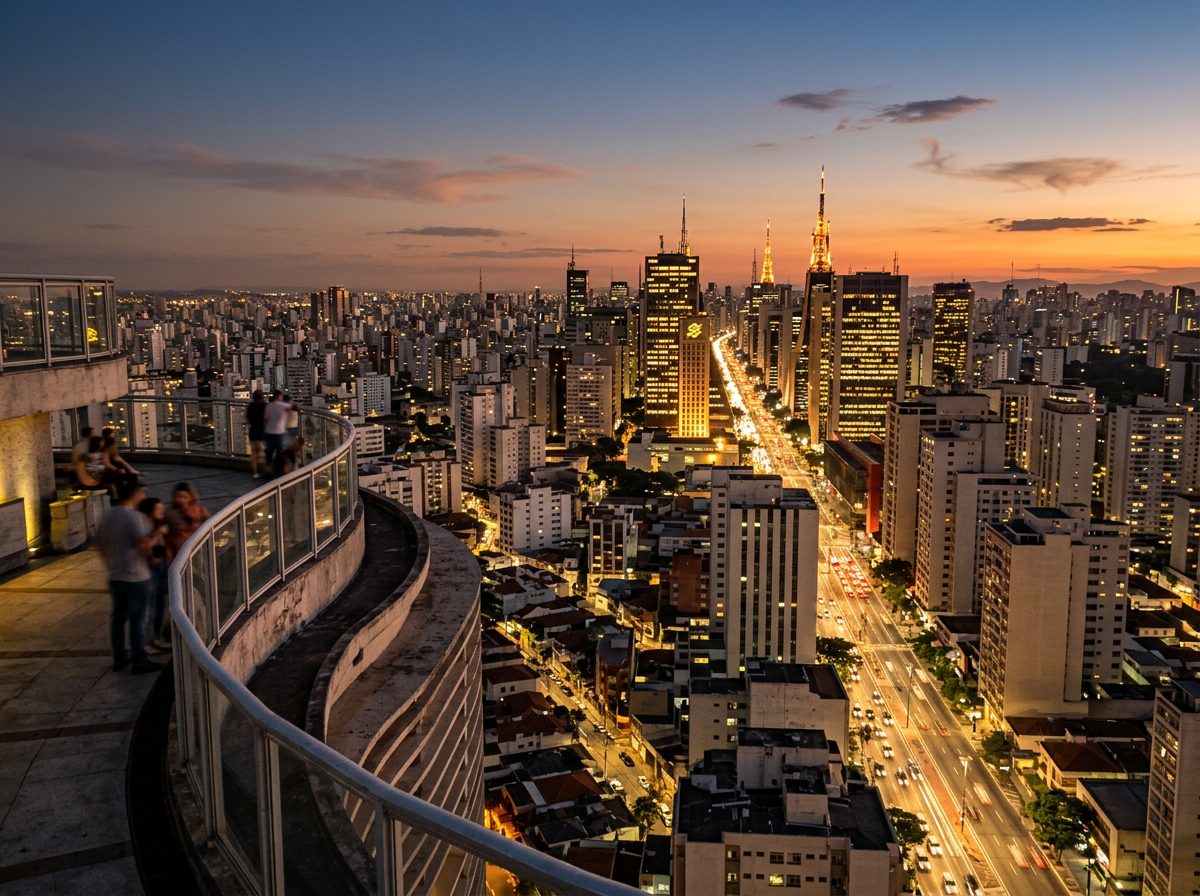
São Paulo is enormous, loud, and endlessly interesting. It is the largest city in Brazil and one of the biggest in the Americas, and it has no beach and no single postcard view. What it has instead is world-class food, serious art museums, huge parks, street art on nearly every wall, and a nightlife scene that runs late.
This guide covers what to do in São Paulo, when to go, where to sleep, how to get around, and how safe the city really is. If you are building a wider trip, our Brazil travel guide shows how São Paulo fits with the rest of the country.
Best Things to Do in São Paulo
The city rewards people who pick a few neighborhoods and dig in. These are the best things to do in São Paulo, roughly in the order many visitors tackle them.
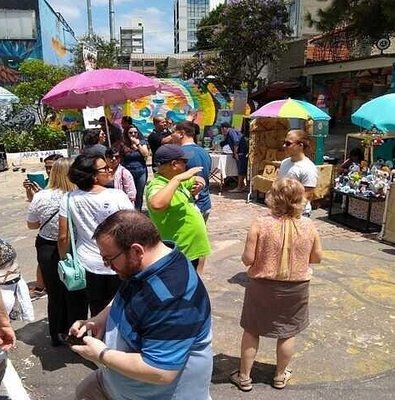
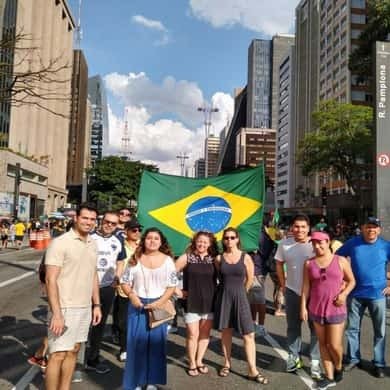
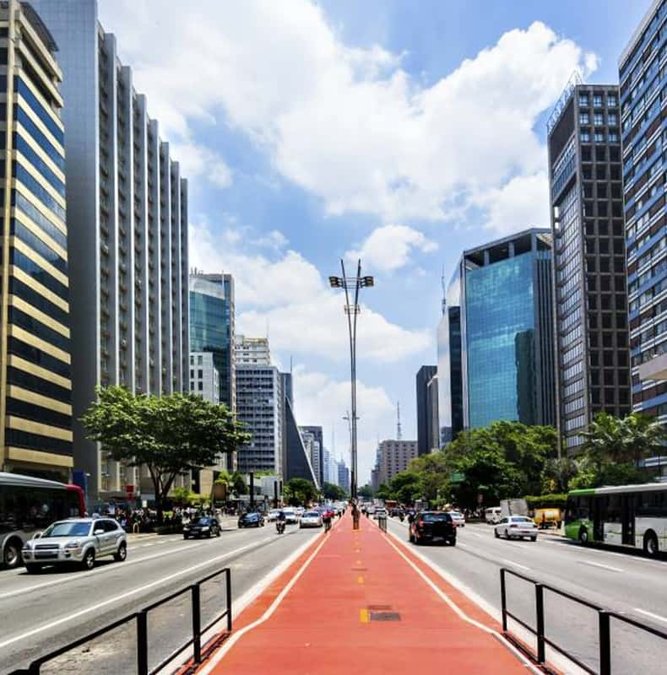
- Avenida Paulista. The city's main boulevard is lined with towers, cultural centers, and cafes. It is often closed to cars on Sundays, which turns it into a long, lively street party.
- MASP. The São Paulo Museum of Art sits on stilts above Paulista, and its collection of European and Brazilian work is excellent.
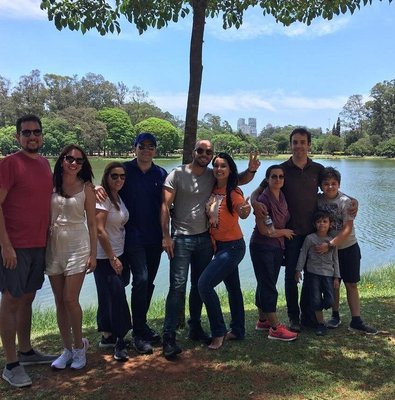
- Ibirapuera Park. The city's answer to Central Park has lakes, jogging paths, Oscar Niemeyer buildings, and museums scattered through the trees.
- Beco do Batman. This Vila Madalena alley is covered in rotating murals. The surrounding streets are full of galleries, bars, and small restaurants.
- Mercado Municipal. Come hungry for the famous mortadella sandwich, fruit stalls, and salt cod pastries under stained glass and high ceilings.
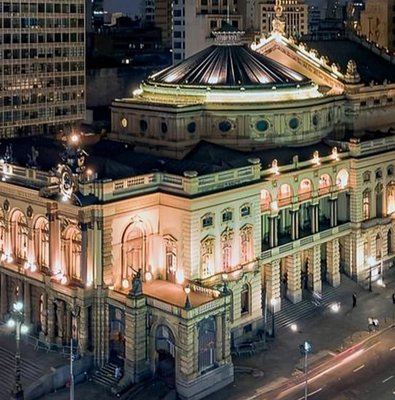
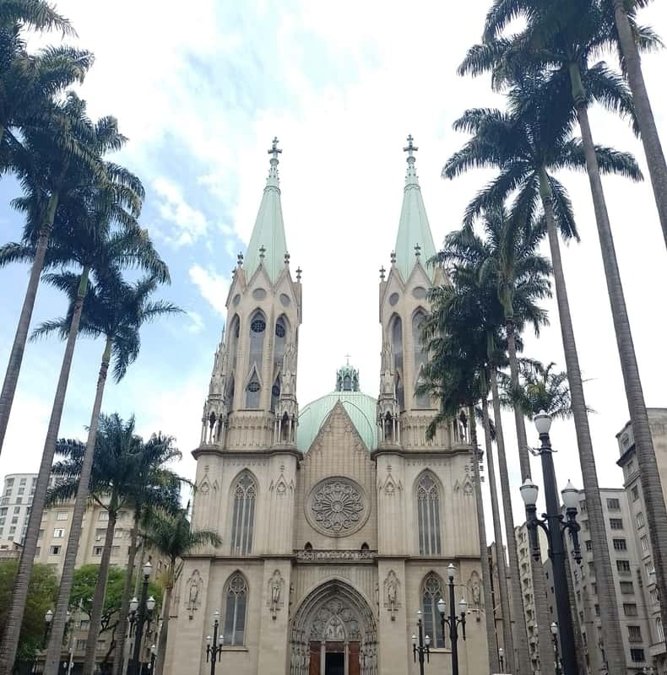
- Historic Center. Walk past the Catedral da Sé, the Theatro Municipal, the Edifício Martinelli, and Pátio do Colégio, where the city was founded.
- Pinacoteca do Estado. This is a beautiful brick building near Estação da Luz, with strong Brazilian art and a calm courtyard.
- Liberdade. São Paulo has one of the largest Japanese communities outside Japan, and this neighborhood has lanterns, markets, and ramen shops to match.
- Museu do Futebol. It is built under the stands of the Pacaembu stadium, and it makes soccer feel like the national religion it is.
- Bixiga. This old Italian quarter has cantinas, samba bars, and theaters, and it is a good place for a long dinner.
- Day trip to the coast. Santos, São Vicente, and Guarujá are a manageable drive away if you need sand and sea air.
Places to Put on Your São Paulo Map
- Avenida Paulista and MASP
- Ibirapuera Park
- Mercado Municipal de São Paulo
- Beco do Batman (Vila Madalena)
- Catedral da Sé
- Santos Beach and Coffee Museum
- Embu das Artes
Best Time to Visit São Paulo
São Paulo sits on a plateau at roughly 2,500 feet, so it is milder than the Brazilian coast. The best time to visit São Paulo for most travelers is April to October, when days are drier and comfortable for walking.
Summer, from December through March, is warm and humid with frequent afternoon downpours. The rain comes hard and fast, then clears. Winter, from June to August, is the driest stretch, with sunny days and cool mornings and evenings. You will want a light jacket, though it is rarely truly cold. The city also gets drizzly, gray spells at any time of year, so pack a compact umbrella.
Crowds here are not seasonal the way beach towns are. São Paulo is a business and culture city, so it stays busy year round. Carnival and major holidays tend to empty out the center as locals head for the coast, which can mean quieter museums but some closed restaurants.
Month by Month in São Paulo
Late April to May and September to October bring mild, drier weather, lighter crowds, and fair prices
How Many Days You Need in São Paulo
Two full days will cover the headline sights. Three days lets you slow down, eat well, and explore a few neighborhoods properly. Add a fourth if you want the coast.
- Day one. Start in the historic center with the cathedral, the Theatro Municipal, and lunch at Mercado Municipal. Spend the afternoon at the Pinacoteca, then wander Liberdade as evening arrives.
- Day two. Spend the morning on Avenida Paulista and at MASP. Walk or ride to Ibirapuera Park for the afternoon, then head to Vila Madalena for street art and dinner.
- Day three. Visit the Museu do Futebol, have a long Italian lunch in Bixiga, and finish with a rooftop drink or a bar crawl in Pinheiros.
- Day four, optional. Take a day trip to Santos and Guarujá for beaches, old coffee-port history, and seafood.
If you only have a layover day, a guided city tour is the most efficient way to see the highlights without wasting time on logistics.
Where to Stay in São Paulo by Neighborhood
Where to stay in São Paulo matters more than in most cities, because the distances are big and traffic is heavy. Pick a base near a metro line and you will be fine.
- Jardins and Avenida Paulista. This is the easiest choice for first-timers. It is central, well connected, full of restaurants, and feels comfortable at night.
- Vila Madalena and Pinheiros. Choose this area if you want street art, bars, and a younger, creative crowd. It is livelier at night and a bit more relaxed by day.
- Itaim Bibi and Vila Olímpia. These are polished business districts with modern hotels and many restaurants. They suit travelers who want a quiet, upscale base.
- Centro and República. The center is rich in history and close to major sights. It is busy and gritty, and it empties after dark, so many visitors prefer to explore it by day and sleep elsewhere.
- Liberdade. This neighborhood is convenient for the metro and good for food lovers, with simple hotels and plenty of cheap eats.
Getting Around São Paulo
The metro and commuter rail are clean, fast, and the best way to avoid traffic. The lines cover Paulista, the center, Liberdade, and Ibirapuera area connections. They get very crowded at rush hour, so travel mid-morning or after the evening peak when you can.
Ride-hailing apps are widely used and are the practical choice for evenings, for Vila Madalena, and for anywhere the metro does not reach. Taxis exist, but apps are easier for visitors because the route and fare are set in advance. Most international flights land at Guarulhos, and the drive into the city can take a long time in traffic. Congonhas is closer in and handles many domestic flights.
Walking is great within neighborhoods, especially Paulista, Vila Madalena, and the historic center by day. Just do not plan to walk between them. The city is too large and hilly for that.
Is São Paulo Safe? Honest Advice for Visitors
Is São Paulo safe? For most visitors, yes, with the same awareness you would bring to any big city. It is a huge place, and petty crime, especially phone snatching and pickpocketing, is the main concern. Violent crime affecting tourists is much less common, but it is not zero.
People also ask, is São Paulo Brazil safe at night? It depends on the area. How safe São Paulo Brazil feels changes block by block, so use judgment rather than fear.
- Keep your phone in your hand only when you need it. Do not leave it on a cafe table or use it at the curb.
- Leave flashy jewelry and watches at the hotel.
- Use a ride-hailing app after dark rather than walking long distances.
- Stick to busy, well-lit streets and avoid the historic center when it is quiet, such as nights and Sundays.
- Carry one card and a small amount of cash, and leave your passport in the hotel safe with a photo copy on you.
- Ask your hotel which nearby streets to avoid. Locals know the block-level details.
If you want a lower-stress introduction, a local guide is useful for the center and for nightlife. Our São Paulo guided tours are a good way to see neighborhoods that can feel intimidating on your own.
What to Eat in São Paulo
Food may be the best reason to come. Paulistanos take eating seriously, and the city's immigrant history shows up on every menu.
- Mortadella sandwich. A towering stack of warm meat on soft bread, a Mercado Municipal classic.
- Pastel. Crisp fried pastry stuffed with cheese, beef, or salt cod, typically eaten with sugarcane juice at a market stall.
- Feijoada. The black bean and pork stew is a traditional Saturday lunch at many restaurants.
- Pizza. São Paulo has a deep pizza culture rooted in Italian immigrants, with thin crusts and creative toppings.
- Japanese food. Liberdade and beyond offer sushi, ramen, and snacks made by a community that has been here for generations.
- Pão de queijo and coxinha. Cheese bread and shredded chicken croquettes are the everyday snacks you will find in any bakery.
- Brigadeiro and caipirinha. Finish with a chocolate truffle and a lime-and-cachaça cocktail.
What to Book Ahead for São Paulo
São Paulo is easy to improvise, but a few things go better when planned. Popular museum visits, weekend dinners, and nightlife are better reserved in advance. Guided experiences are especially worth lining up, because the city is so spread out that a good guide saves hours.
Travelers often book a general city highlights tour on their first day to get oriented. Others choose a private tour for flexibility, a walking or bike tour of the historic center, or a street art and bar crawl in Vila Madalena. A day trip to the coast also works better with transport arranged. You can browse tours and tickets in São Paulo and pick a mix that fits your pace.
Heading elsewhere in Brazil afterward? Pair São Paulo with the beaches and peaks of Rio de Janeiro, or the thundering waterfalls at Foz do Iguaçu. Both are a short flight away, and they balance the city's urban energy nicely.