Foz do Iguaçu sits in the far west of Paraná state, right where Brazil, Argentina, and Paraguay meet at the rivers. The city itself is practical and laid back, but nobody comes for the city. They come for Iguazu Falls, a wall of roughly 270 separate cascades spread across a jungle gorge, and the sound alone will stop you mid-sentence.
This guide covers the things to do in Foz do Iguaçu, when to go, how many days you need, and where to stay. It also explains how the Brazilian and Argentine sides differ, which is the question almost every first-timer asks.
Top Attractions in Foz do Iguaçu and Beyond the Falls
If you are wondering what to do in Foz do Iguaçu, start with the falls and then add a few of the quirkier local stops. These are the ones travelers talk about afterward.
- Brazilian side of Iguazu Falls. A walkway along the cliff gives you sweeping panoramas of the whole system. It is the best place to understand the scale.
- Devil's Throat walkway. The Brazilian path ends on a platform over the Garganta do Diabo, where water thunders down on three sides and you will get soaked.
- Argentine side of the falls. Longer trails put you above and below the cascades, so you feel inside the falls rather than across from them. Many visitors call it the more immersive half.
- Devil's Throat from Argentina. A small train carries you to a long walkway that ends directly over the drop. It is a different angle from the Brazilian view, and worth seeing both.
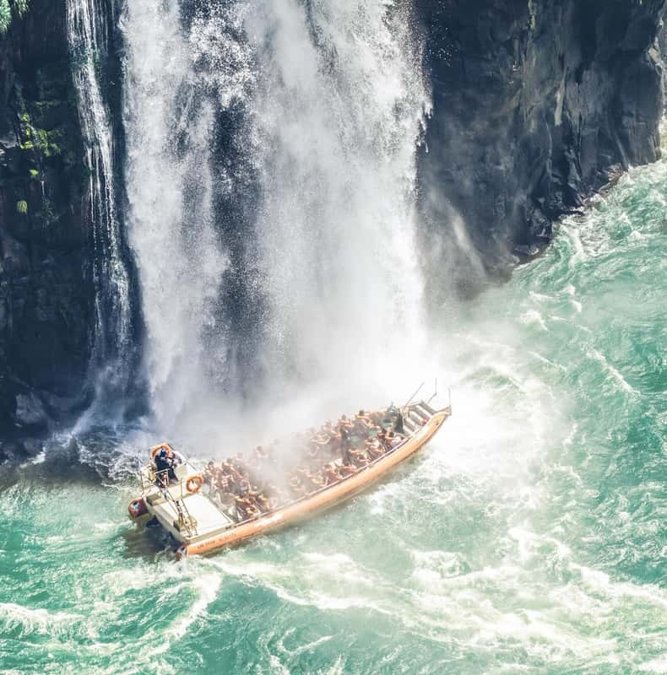
- Macuco Safari boat ride. On the Brazilian side, you ride through the forest and then a boat takes you right up to the base of the falls. Bring a dry bag for your phone.
- Parque das Aves. This bird park is next to the national park entrance. Toucans, scarlet macaws, and walk-through aviaries make it a great pairing with the falls.
- Itaipu Dam. One of the largest hydroelectric dams in the world, shared by Brazil and Paraguay. Visits cover the scale of the engineering and the reservoir.
- Marco das Três Fronteiras. At this riverside viewpoint, you can look at Argentina and Paraguay from Brazil. Sunset here is pleasant and low-key.
- Helicopter flight over the falls. It is short and splurgy, but the aerial view shows how the river fans out through the jungle.
- Buddhist Temple and Omar Ibn Al-Khattab Mosque. Foz has a notable Arab Brazilian community and a peaceful Buddhist temple, which makes for a quieter half-day in the city.


Places to Put on Your Foz do Iguaçu Map
- Iguaçu Falls Brazilian Side
- Iguazú Falls Argentine Side
- Itaipu Dam
- Parque das Aves
- Marco das Três Fronteiras
Best Time to Visit Foz do Iguaçu Through the Year
The best time to visit Foz do Iguaçu depends on whether you want comfort or drama. The climate is humid subtropical, and rain can fall in any month, so you should pack a light poncho regardless.
Summer (December to February) is hot, sticky, and often stormy. The falls tend to run powerfully, though extremely high river levels can close some walkways temporarily. School holidays and the New Year period bring the biggest crowds.
Autumn and spring (March to May, September to November) are the sweet spot for most people. Temperatures are comfortable for walking, the forest is green, and lines are usually shorter outside holiday weeks.
Winter (June to August) is mild, with cool mornings and pleasant afternoons. It is a good season for hiking the trails without wilting, though you will want a light jacket early in the day. July is a Brazilian school holiday month, so expect more families.
Whatever the season, go early in the day. The first hours are cooler, calmer, and better for photos.
Month by Month in Foz do Iguaçu
Oct and spring bring mild weather and strong waterfall flows, while Jan and Feb are hot and crowded
How Many Days You Need in Foz do Iguaçu
Two full days works for most travelers, and three is relaxed. One day is possible if you are pressed for time, but you will be rushing and probably skipping one side of the falls.
- Day 1, Brazilian side. Walk the panoramic trail in the morning, then do the boat ride or the Devil's Throat platform. Spend the afternoon at the bird park.
- Day 2, Argentine side. Cross the border early. Take the train to Devil's Throat first, then walk the upper and lower circuits at a slow pace. Add a boat ride if you want to get wet.
- Day 3, flexible. Visit Itaipu Dam, stop at the Marco das Três Fronteiras at sunset, and have a long churrasco dinner. Or simply rest.
Many visitors fly in from Rio de Janeiro or São Paulo, so adding Foz to a bigger Brazil trip is easy. Our Brazil travel guide can help you plan the rest of the route.
Where to Stay in Foz do Iguaçu by Area
Your choice of base comes down to three areas, and none of them is far from the others.
Avenida das Cataratas corridor. This road runs from the city toward the national park. It is lined with resorts, many with pools, gardens, and breakfast buffets. It is the easiest choice if you want to maximize time at the falls and relax between outings. A historic hotel stands inside the park itself, with falls views, for those who want a special splurge.
Centro. The city center has the widest range of hostels, simple hotels, restaurants, and bus connections. It works well for budget travelers and anyone who likes walking to dinner. Choose a place on a busy, well-lit street.
Near the Marco das Três Fronteiras and riverfront. This quieter area suits travelers who like river views and a slower pace. You will rely on taxis or rideshares for most outings.
If you are deciding where to stay in Foz do Iguaçu for a short trip, the Avenida das Cataratas corridor is the most convenient. Book early for holiday weeks.

Getting Around Foz do Iguaçu and Crossing Into Argentina
Foz do Iguaçu International Airport is a short drive from the city and the national park, and the ride into town is easy by taxi or rideshare app. Local buses connect the center with the Brazilian falls, and they are cheap and straightforward if you do not mind a slower trip.
The Argentine side requires a border crossing. Bring your passport, check current entry requirements for both Brazil and Argentina well before you travel, and allow extra time at the border, especially on busy days. Some travelers handle it independently by bus. Others prefer a guided trip or private transfer so the crossing and park entry are sorted for them.
Within the city, taxis and rideshares are the simplest option for evenings, since distances between hotels, restaurants, and attractions add up.
Is Foz do Iguaçu Safe for Visitors
For most travelers, yes. The tourist areas, national park, and main hotel zones are used to visitors, and the falls themselves are well organized with clear paths and staff. Like any Brazilian city, Foz has petty theft, so the usual common sense applies.
- Keep your phone and wallet out of sight in crowded spots and on buses.
- Skip walking alone late at night in quiet parts of the center. Use a taxi or rideshare.
- Be more cautious around the Paraguayan border town of Ciudad del Este if you visit for shopping. Go in daylight, stay in the busy areas, and consider a guide.
- Carry a small waterproof bag. Wet walkways and boat rides are a bigger threat to your electronics than any thief.
- Wear shoes with grip, bring sunscreen and insect repellent, and drink plenty of water.
- Do not feed the coatis, the raccoon-like animals that roam the park. They are cute but can bite and will grab snacks.
Food Worth Trying in Foz do Iguaçu
Foz's border location shapes its food. Expect Brazilian classics with Paraguayan and Argentine touches.
- Churrasco. Rodízio-style steakhouses bring skewers of grilled meat to your table until you flag them down. Some include folk dance shows.
- River fish. Look for surubim or pintado, often grilled or served in a moqueca-style stew. Fish from the Paraná basin is a regional specialty.
- Pão de queijo and coxinha. Cheesy bread and fried chicken croquettes are perfect for a quick snack between trails.
- Pastel. A crisp fried pastry with cheese, meat, or hearts of palm, often sold with fresh sugarcane juice.
- Chipa and empanadas. Cheesy Paraguayan bread and Argentine-style pastries show up around town and across the border.
- Caipirinha. Lime, sugar, and cachaça. Pair one with dinner and take it easy before an early start.
What to Book Ahead for Iguazu Falls
You can wander into the Brazilian national park on your own, but some experiences go smoothly only with planning. Boat rides, border-crossing days, and holiday weeks are the ones to lock in early. Browse the Foz do Iguaçu tours and tickets to compare options.
The most popular choice is a full-day trip covering both the Brazilian and Argentine sides. It handles transport and the border, so you can focus on the views. Travelers who want flexibility often pick a private tour, which lets you set the pace, linger at the best viewpoints, and skip what does not interest you.
If you are building your own itinerary, look at Iguazu Falls day tours from Foz do Iguaçu for the Macuco Safari ride on the Brazilian side or a boat ride on the Argentine side. Both put you right under the cascades. Reserve them before you go, since popular slots fill up in peak months.