Vietnam is long, skinny, and wildly varied. You can drink egg coffee in a Hanoi alley, drift past limestone karsts, learn to fold a silk lantern in Hoi An, and crawl through wartime tunnels outside Ho Chi Minh City, all in one trip. A Vietnam vacation rewards people who plan around geography, because the weather and the feel of the place change a lot from north to south.
This guide covers the best time to visit Vietnam, the places worth your days, how to get around, and an honest look at safety. If you already know what you want to do, our Vietnam tours page is a good place to see what travelers book.
Best Time to Visit Vietnam and the Best Month for Each Region
There is no single best month to visit Vietnam, because the country has three climate zones that do not move in sync. The smart move is to match your route to the season.
- North (Hanoi, Ha Long Bay, Ninh Binh). Fall (October and November) and spring (March and April) are the sweet spots. Winters are cool, gray, and sometimes drizzly. Summers are hot, humid, and stormy.
- Central (Hue, Da Nang, Hoi An). The driest, sunniest stretch runs roughly from February through the middle of summer. Late fall brings heavy rain, and Hoi An's old town can flood.
- South (Ho Chi Minh City, Mekong Delta). It is warm all year. The dry season, roughly December through April, is the most comfortable. The rainy season brings short, heavy afternoon downpours rather than all-day gloom.
If you want one month for a north-to-south trip, March and April are hard to beat. Expect heat building in the south, but the weather is generally good across the country. Plan carefully around Tet, the Lunar New Year, in late January or February. Many shops close and transport books up as families travel home, though the festive energy is memorable if you plan ahead.


Top Places to Visit in Vietnam and Things to Do
Whether you are searching for places to visit in Vietnam or just the best experiences, these are the ones that consistently earn their spot on an itinerary.
- Hanoi's Old Quarter. Wander the tangled streets, sit on a plastic stool, and watch scooters flow around you like water.
- Hanoi street food. Go with a guide the first time so you know what to order. Many walks include a pass by the famous Train Street.
- Ha Long Bay. Thousands of limestone islands rise from emerald water. A day cruise with kayaking gives you a real taste.
- Ninh Binh and Trang An. Rowboats glide through caves and rice paddies beneath towering karsts. It is quieter and more pastoral than Ha Long.
- Hue's Imperial City. The old citadel and royal tombs show the country's dynastic past.
- Hai Van Pass. This coastal road between Hue and Da Nang is one of the great scenic drives in Southeast Asia.
- Hoi An. The lantern-lit old town is lovely for strolling, and it is a great place for hands-on classes like lantern making or Vietnamese coffee brewing.
- Ho Chi Minh City. Visit the War Remnants Museum, Notre-Dame Cathedral, and Ben Thanh Market, then eat your way through District 1.
- Cu Chi Tunnels. This underground network gives you a sobering look at wartime life.
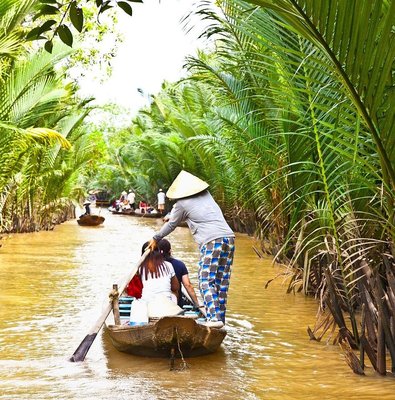
- The Mekong Delta. Take a sampan through narrow canals, stop at fruit orchards, and see floating markets and river life.
Month by Month in Vietnam
Feb to April is best overall, with Nov to Jan good for the south and central highlands.
Things to Do in Vietnam for Kids
Vietnam is a friendly place for families, and kids tend to love the sensory chaos. The best things to do in Vietnam for kids are the active, hands-on ones.
- Kayaking or swimming on a Ha Long Bay cruise gives kids room to burn energy.
- Sampan rides and coconut candy stops in the Mekong Delta keep younger children engaged.
- Lantern-making in Hoi An is a calm, creative break, and they get a souvenir.
- Boat rides through the caves at Trang An feel like an adventure without being strenuous.
- Hoi An's beaches are a good reward after a few busy sightseeing days.
Pack patience for crossing streets and a sense of humor about heat. Kids who are good with new foods will do well, and plain rice, noodles, and spring rolls are easy to find for pickier eaters. Family-friendly outings are easy to compare on our Vietnam tours page.
How Many Days in Vietnam and a Sample 10-Day Route
Ten days to two weeks lets you see the north, center, and south without feeling rushed. With a week, pick two regions and skip the rest. Vietnam is much longer than it looks on a map, so internal flights save a lot of time.
- Days 1 to 3, Hanoi. Explore the Old Quarter, eat street food, and see Hoan Kiem Lake.
- Day 4, Ha Long Bay or Ninh Binh. Pick one as a day trip, or do both if you have more time.
- Days 5 to 6, Hue. Tour the Imperial City and take the Hai Van Pass toward the coast.
- Days 7 to 8, Hoi An. Wander the old town, take a class, and relax at the beach.
- Days 9 to 10, Ho Chi Minh City. Visit the Cu Chi Tunnels, then spend a day in the Mekong Delta.

Where to Stay in Hanoi, Hoi An, and Ho Chi Minh City
Pick a walkable base in each city and you will save time and stress.
- Hanoi. The Old Quarter is the most atmospheric and puts you steps from food and sights, though it is noisy. The French Quarter, near the Opera House, is calmer and more polished.
- Hoi An. Stay in or near the Ancient Town for evening strolls. An Bang Beach, a short ride away, suits travelers who want sand and a slower pace.
- Ho Chi Minh City. District 1 is the most convenient for first-timers, with sights, restaurants, and nightlife close together. District 3 is quieter and more local.
- Hue and Da Nang. In Hue, stay near the Perfume River. Da Nang suits beach-focused trips and works as a gateway to Hoi An.
Getting Around Vietnam by Train, Plane, and Ride-Hailing App
For long distances, domestic flights are fast and easy. The north-south railway is slower but scenic, and sleeper trains are a classic experience, especially on the stretch between Hue and Da Nang. Buses are cheap but slow.
In cities, ride-hailing apps for cars and motorbike taxis are the easiest way to avoid haggling. Walking is great in the old quarters, but crossing the street takes practice. Walk at a steady pace, do not stop suddenly, and let the scooters flow around you. For day trips such as the Mekong Delta, Cu Chi, Ha Long Bay, or Ninh Binh, a guided tour with transport is usually simpler than piecing it together yourself.
Is Vietnam Safe for American Travelers?
Yes, Vietnam is generally a safe country for tourists, and violent crime against visitors is uncommon. The most likely problems are petty ones, like bag snatching from passing motorbikes and tourist-trap scams. Keep your phone and bag secure when walking near the curb, and do not carry valuables loosely.
The biggest real risk is traffic. Be careful crossing streets, and think twice before renting a motorbike unless you are experienced and properly insured. Agree on a price or use a metered taxi or app so there are no surprises. Drink bottled or filtered water, and choose busy food stalls with high turnover. Check current entry and visa requirements before you go, and consider travel insurance that covers medical care. With basic common sense, most travelers find Vietnam welcoming and easy.
Vietnamese Food Worth Trying From Pho to Egg Coffee
Food is a major reason to take a Vietnam vacation. Start with pho, the fragrant noodle soup that is a northern classic. Try bun cha in Hanoi, grilled pork with rice noodles and herbs. In Hoi An, look for cao lau noodles and white rose dumplings. In the south, order banh xeo, a crispy savory pancake, and fresh spring rolls.
Do not skip banh mi, the baguette sandwich, or Vietnamese coffee. Try it with condensed milk, and in Hanoi try egg coffee, which tastes like liquid tiramisu. A coffee-making class in Hoi An is a fun way to learn how the strong, slow-dripped brew comes together.
What to Book Ahead for Your Vietnam Trip
Vietnam is easy to improvise, but a few things are worth lining up before you arrive, especially in busy seasons. Ha Long Bay cruises, Ninh Binh day trips, and Mekong Delta outings are best with a guide and transport arranged. Cu Chi Tunnels trips run as half-day tours or can be combined with the Mekong Delta in a full day. In Hanoi, a street food tour is a smart first-night move, and in Hoi An, lantern-making and coffee classes can fill up.
Browse our Vietnam tours and experiences to match activities to your route, then leave a few open days so you can follow whatever catches your eye.