Manchester is the city that gave the world the first industrial revolution, a famously good football rivalry, and more guitar bands than seems reasonable. It is red-brick, canal-laced, and friendly in a way that surprises many Americans who come up from London expecting something colder. If you are sorting through things to do in Manchester England, you will find a compact center, great museums, and a food scene that goes well beyond fish and chips.
This guide covers the best things to do in Manchester UK, when to go, how many days you need, where to stay, and whether the city is safe. It also includes a sample itinerary you can steal, and a few notes on the day trips that make Manchester a smart base for northern England.
Ten Manchester Highlights, From Castlefield to Salford Quays
Most of the center is walkable, so you can stack several of these into a single day.
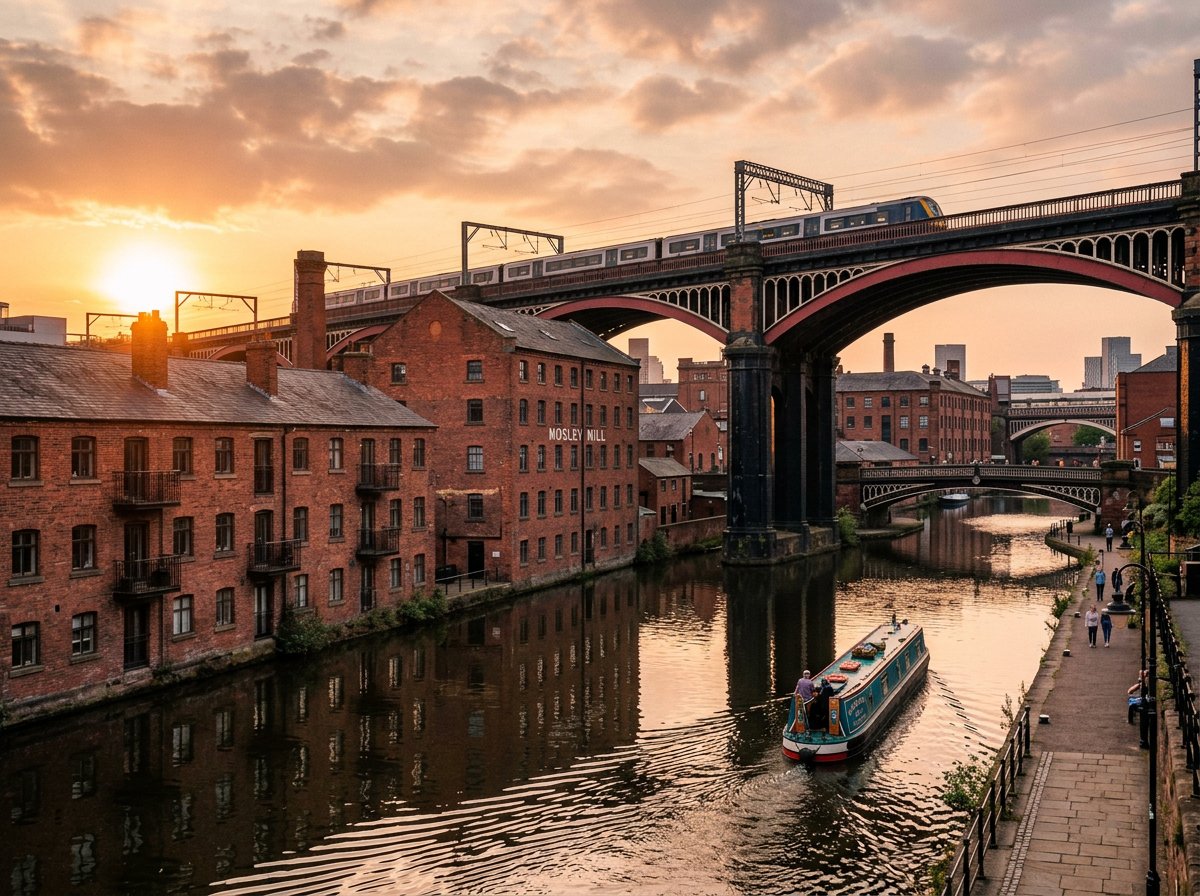
- Castlefield. This is where Roman ruins, Victorian railway viaducts, and canal basins sit on top of each other. It is the prettiest corner of the city for a slow stroll.
- Canals and waterways. Manchester was built on cotton and canals. A boat ride shows you the old warehouses and the modern skyline from the water.
- The Science and Industry Museum. Set on the site of one of the world's earliest passenger railway stations, it explains how this city changed how people work and live.
- John Rylands Library. A neo-Gothic building on Deansgate that looks like a cathedral for books. Even non-readers tend to go quiet inside.
- Manchester Town Hall and Albert Square. The Gothic Revival town hall is one of the city's great photo spots, especially on a gray day when it looks properly dramatic.
- The Northern Quarter. Street art, vintage shops, record stores, and indie cafes. This is also where the city's music legacy is easiest to feel.
- The National Football Museum. Good for fans and curious newcomers alike. If you want more, a stadium tour at one of the city's big clubs adds real context.
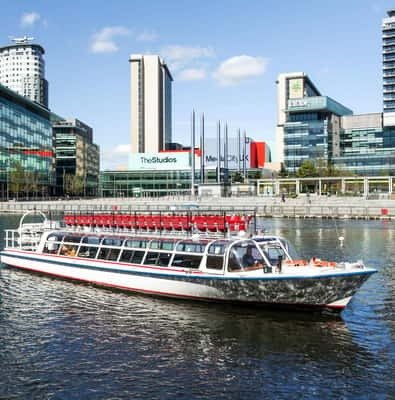
- Salford Quays. A redeveloped dockland with The Lowry arts center, the Imperial War Museum North, and sweeping waterfront views.
- Manchester Art Gallery and the Whitworth. One is a city-center classic with Pre-Raphaelite highlights. The other sits in a park and mixes art with textiles and modern work.
- Coronation Street. If you grew up with British TV, or you just like a good soap opera, a themed experience is a fun hour or two. Our Manchester walking tours and city experiences are a good way to connect these sights without juggling logistics.

Places to Put on Your Manchester Map
- Manchester Cathedral
- John Rylands Library
- Science and Industry Museum
- National Football Museum
- Old Trafford (Manchester United)
- Peak District (Edale)
- Chester Rows and Cathedral
The Best Time to Visit Manchester, Rain and All
Yes, it rains in Manchester. Rain is spread through the year rather than concentrated in a wet season, so the real answer is to pack a light waterproof jacket whenever you come and stop worrying about it.
Late spring and early summer are the sweet spot. Days are long, parks are green, and temperatures are usually mild, often in the 60s and low 70s Fahrenheit. Late summer and early fall are also pleasant and bring fewer crowds once school vacations end. Winter is cold, damp, and dark early, but the Christmas markets are atmospheric and hotels are easier to book. Expect city-center crowds to peak on football weekends and during big concerts, so check the calendar before you lock in a hotel.
Month by Month in Manchester
Late spring and early fall bring the mildest weather, fewer crowds and fair prices
How Many Days in Manchester, With a Sample Itinerary
Two full days covers the center well. Three days lets you add a day trip, which is what I would recommend. Here is a simple Manchester itinerary that balances city time and countryside.
- Day 1, Heart of the City. Start in Castlefield and ride a canal boat. Walk to the Science and Industry Museum, then head up Deansgate to John Rylands Library. Finish at Albert Square and have dinner in Chinatown or the Northern Quarter.
- Day 2, Culture and Football. Spend the morning at the National Football Museum or on a stadium tour. After lunch, take the tram to Salford Quays for The Lowry and the waterfront. Return for a music-bar evening in the Northern Quarter.
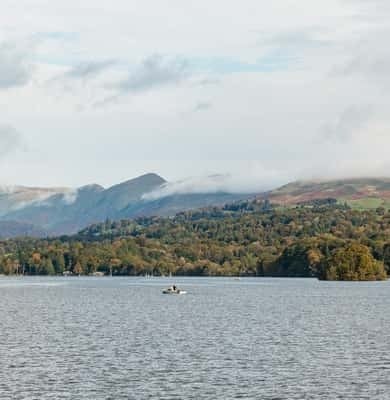
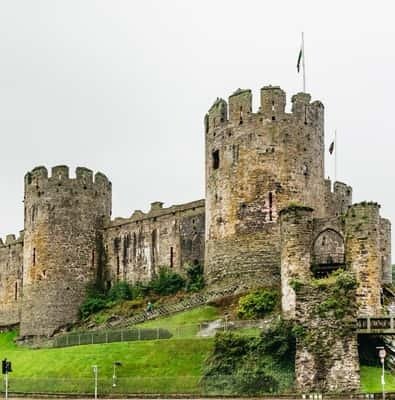
- Day 3, Out of Town. Pick a countryside escape. The Peak District is the easiest, with moorland walking and stone villages. The Lake District is a longer day but spectacular, with lakes, small towns, and boat rides. North Wales and Snowdonia, combined with the walled city of Chester, make a great third option. You can browse these on our Manchester tours page.
If you only have one day, do Day 1 and skip the rest. If you are building a bigger trip, our guide to the best things to do in the UK shows how Manchester fits with other stops.
Where to Stay in Manchester by Neighborhood
Manchester is small enough that nearly any central base works, but each area has its own feel.
- City Centre. The best choice for first-timers. You are close to shops, restaurants, and the main sights, and the train stations are a short trip away.
- Northern Quarter. Creative, lively, and a little noisy at night. Great if you want bars and independent cafes at your door.
- Castlefield and Deansgate. Quieter, with canal views and an easy walk to the center. A good fit for couples and anyone who likes a calmer evening.
- Piccadilly. Handy for early trains and airport connections, though the immediate surroundings are more functional than charming.
- Salford Quays. Modern and spacious, close to the arts venues and the tram. Better for a second visit or a family trip than for a first night out.
Getting Around Manchester by Tram, Train and Foot
You will do most of your sightseeing on foot. The city center is flat and compact, and landmarks are close together. For farther spots like Salford Quays, the Metrolink tram is simple and runs across the region. Buses cover the rest, and taxis and ride-hailing apps are easy to find.
Manchester Airport connects directly to the center by train and tram, so you can arrive without renting a car. Piccadilly is the main rail hub, with frequent services to London, Liverpool, Leeds, and beyond. If you are traveling on from the capital, our London guide is a useful companion, and so is the Edinburgh guide if Scotland is next. For the countryside, a guided day trip saves you from driving on the left on narrow roads.
Is Manchester Safe? Straight Talk for Visitors
For most visitors, yes. Manchester is a big city, and it feels like one, but millions of tourists, students, and commuters move through the center without trouble. The most common problems are the ones you get anywhere, like pickpocketing in crowds and phone snatching in busy areas.
Use ordinary city sense. Keep your phone and wallet out of back pockets, and do not leave bags unattended in cafes. Stay aware around the main stations and the busier nightlife streets late at night, especially on weekends when crowds drink heavily. Stick to well-lit routes after dark, and use a licensed taxi or a ride-hailing app if you are tired or unsure. Some outer neighborhoods are rougher than the tourist core, but you are unlikely to need them. Also remember that traffic comes from the unfamiliar direction, so look right first when crossing the street.
What to Eat in Manchester, Beyond the Pie
Start with the classics. A full English breakfast with black pudding is a northern ritual. Lancashire hotpot, a slow-cooked lamb and potato casserole, is the traditional comfort dish. For something sweet, try an Eccles cake, a flaky pastry filled with currants, or a slice of Manchester tart, which has jam, custard, and coconut.
Then branch out. Manchester has one of the UK's biggest Chinatowns and a long South Asian food tradition, centered on the Curry Mile in Rusholme. Curry here is a point of local pride, so do not skip it. The Northern Quarter and the city's food halls are good for casual dinners, and pubs serve hearty pies, Sunday roasts, and local ales.
What to Book Ahead for Manchester and Nearby Day Trips
Manchester rarely sells out like London, but a few things are worth reserving, especially in summer and on football weekends. Stadium tours, themed experiences like the Coronation Street one, and canal cruises all run on set schedules and can fill up.
Day trips matter even more. The Lake District, Snowdonia, Chester, and the Peak District are all doable from the city, but they depend on small-group departures and transport logistics. Booking early gets you the better seats and your preferred date. You can compare options on our Manchester tours and day trips page and build your trip around the ones that excite you most.