The UK packs a remarkable amount into a country you could drive across in a day. Medieval castles, Roman baths, royal palaces, mossy Highland glens, buzzing pub streets and world-class museums are all within a short train ride of each other. If you're sorting through things to do in the UK, the hard part is deciding what to leave out.
This guide covers the places most Americans want to see, when to go, how long to stay, where to base yourself, and whether it's safe. Think of it as a practical starting point for building a trip that fits your time and your pace.
Top Things to Do in England, Scotland, and Wales
If you're wondering what to do in the UK on a first visit, these are the experiences that consistently earn their reputation.
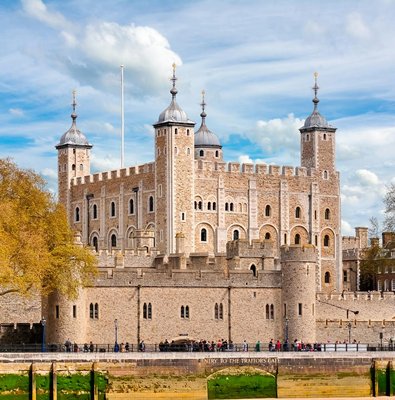
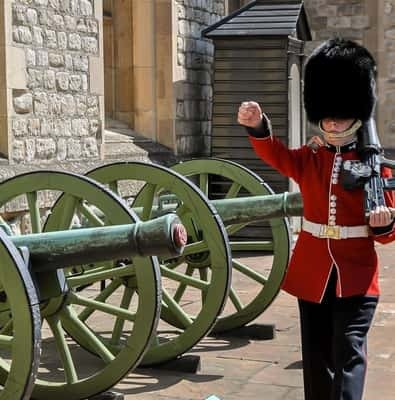
- Tower of London and the Crown Jewels. Nearly a thousand years of royal drama, prisoners, and ravens in one fortress on the Thames. Go early and see the Beefeater tour.
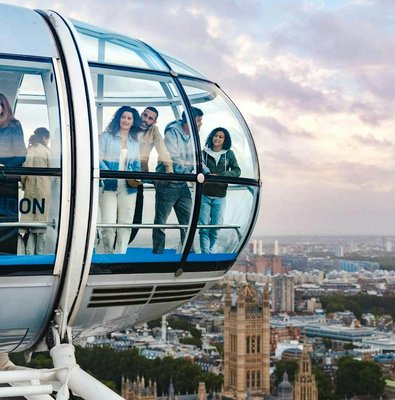
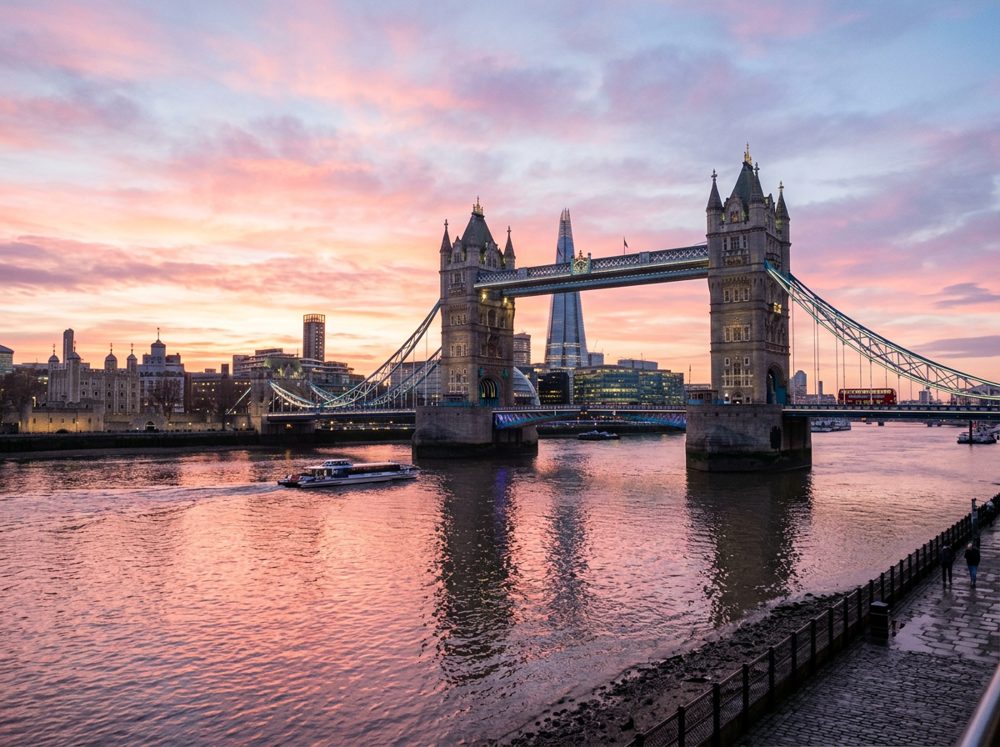
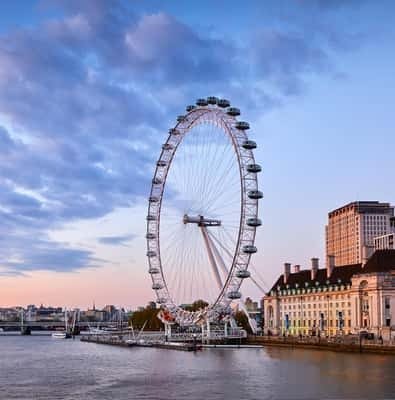
- The London Eye and the South Bank. Ride the wheel for a look at Parliament and Big Ben, then walk the river toward Tower Bridge.
- Big museums, mostly free. The British Museum and the Natural History Museum can each fill a rainy morning.
- Edinburgh Castle and the Royal Mile. The castle sits on an extinct volcano, and the old town below is full of closes, pubs, and bookshops.
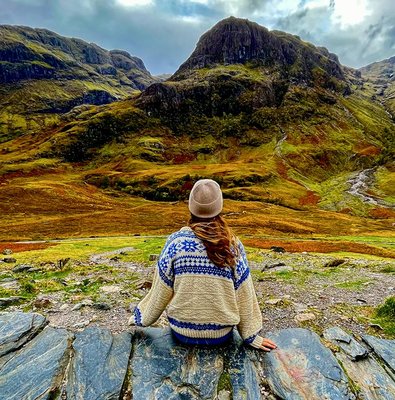
- A Scottish Highlands day trip. Loch Ness, the glen of Glencoe, and the Glenfinnan Viaduct (the bridge from the Harry Potter films) are all doable from Edinburgh in a long day.
- Bath and the Roman Baths. Georgian crescents and a remarkably preserved Roman spa complex make this an easy, elegant day out from London.
- Stonehenge. It's smaller than people expect, but standing at the stones on Salisbury Plain still lands.
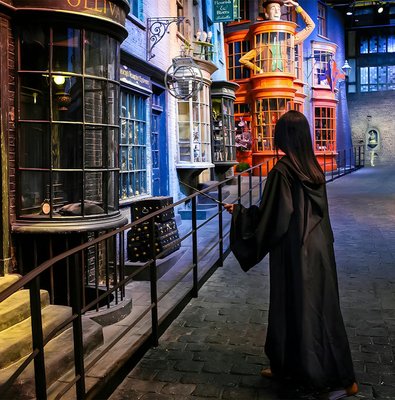
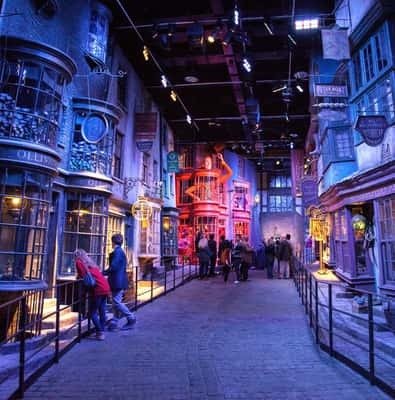
- The Harry Potter studio tour. Just outside London, you walk through real sets and props. Fans of any age tend to love it.
- The Cotswolds. Honey-colored stone villages, footpaths, and tea rooms. A car or a small-group tour makes this far easier.
- Oxford or Cambridge. Wander college courtyards, climb a tower, and punt on the river if the weather cooperates.
If you have more time, the Lake District, Snowdonia in Wales, and the Giant's Causeway in Northern Ireland are worth the extra effort.
Best Time to Visit the UK
The best time to visit the UK for most travelers is late May through June, or September. Days are long, gardens are in bloom or turning, and crowds are manageable. In northern Scotland, summer daylight stretches deep into the evening.
July and August are peak season. Expect the biggest crowds at London landmarks, Edinburgh (especially during its festival season), and popular Highland stops. They're also the warmest months, though "warm" often means comfortable rather than hot.
Spring brings daffodils, lambs, and changeable skies. Autumn is cozy, with fall color and fewer tour buses. Winter is cold, dark, and damp, but London's holiday lights and cheap off-season stays appeal to many. Highland weather in winter can disrupt roads and tours.
Rain can show up in any month, so pack a light waterproof jacket and layers no matter when you go. Scottish summers also bring midges, tiny biting insects, so bring repellent for lochside walks.
Month by Month in UK
Late spring through early fall offers the mildest weather, with June to September the best overall.
Best Cities to Visit in the UK
For the best cities to visit in the UK, start with London, which rewards even a week of nonstop sightseeing. Our London guide goes deeper on neighborhoods and landmarks.
Edinburgh is compact, walkable, and dramatic, and it works well as a base for the Highlands. See our Edinburgh guide for the details.
Manchester is the pick for music, football, industrial history, and a lively food scene. Our Manchester guide shows what it offers.
Smaller favorites include Bath, York with its medieval walls and minster, Oxford, Cambridge, Cardiff, and Belfast. Many of the best places to visit in the UK are not big cities at all, so mix in a few smaller towns.
How Many Days to Spend in the UK
Seven to ten days is a satisfying first trip. Five days can work if you stick to London plus one or two day trips. Resist the urge to cover everything, since travel days eat time.
Here's a sample ten-day route.
- Days 1 to 4, London. Tower of London, the river, a museum, a West End show, and one day trip to Bath or Stonehenge.
- Day 5. Take a morning train north to Edinburgh, then explore the Royal Mile and the castle.
- Days 6 to 7, Edinburgh and the Highlands. Spend one day in the city and one on a Highlands tour covering Loch Ness and Glencoe.
- Days 8 to 9, northern England. Stop in York, then Manchester or the Lake District.
- Day 10. Head back to London or fly out of Manchester.
With a short trip, do London and Edinburgh and skip the rest.
Where to Stay in London, Edinburgh, and Beyond
In London, South Kensington and Kensington are polished and close to the big museums. Covent Garden and Soho put you in the middle of theaters and restaurants. Southwark and the South Bank are convenient for the river, the Tower, and Borough Market. Choose a spot near an Underground line and you'll be fine.
In Edinburgh, the Old Town is atmospheric but hilly and busy. The New Town has elegant Georgian streets and easy walking to everything. Haymarket is practical if you're arriving by train and heading out early on tours.
In Bath, stay near the Abbey for an easy stroll to the baths and restaurants. In the Cotswolds, choose a village base like Chipping Campden or Bourton-on-the-Water if you have a car.
Getting Around the UK by Train, Bus, and Car
Trains are the easiest way to link major cities. London to Edinburgh is a scenic day of travel, and reserved seats are worth it on busy routes. Book early when you can, since advance fares are usually cheaper than same-day tickets.
Within London, the Underground, buses, and walking cover nearly everything. Contactless payment with a phone or card works on most public transport, so you rarely need to buy a separate pass.
Rural areas are harder without a car, but renting one means driving on the left, on narrow roads, often with a manual transmission by default. If that sounds stressful, skip the rental. A guided day trip to the Highlands or Cotswolds lets you enjoy the scenery without the roundabouts.
Is the UK Safe for Travelers Right Now
For most visitors, yes. The UK is generally a safe destination, and violent crime against tourists is uncommon. If you're asking whether it's safe to travel to the UK right now, the honest answer is that conditions can shift, so check your government's current travel advisory and entry requirements, including any electronic travel authorization, before you book and again before you fly.
The most common problems are petty. Pickpocketing and phone snatching happen around crowded places like London's Tube, major attractions, and busy markets. Keep your phone secure near curbs, use a zipped bag, and stay alert in crowds.
Use normal city sense at night, especially after pub closing time in larger cities. Look right before you step off the curb, since traffic comes from the other direction than you're used to. The emergency number is 999, and 112 works too.
A few practicalities help. UK outlets are different from American ones, so bring a Type G adapter. Tipping is lighter than in the US, and many restaurants add a service charge to the bill.
British Foods Worth Trying
British food has a better reputation than it used to, and the classics are worth ordering.
- Fish and chips from a proper chippy, ideally near the coast.
- A full English breakfast, with eggs, bacon, sausage, beans, and black pudding if you're game.
- Sunday roast at a pub, with Yorkshire pudding and gravy.
- Afternoon tea, with scones, clotted cream, and jam.
- Haggis, neeps, and tatties in Scotland. It's better than it sounds.
- Cornish pasties, a handheld meal that works well on a long walk.
- Sticky toffee pudding for dessert.
- Indian food. Curry is practically a national dish, and Manchester, Birmingham, and London do it very well.
Pubs are the best way to eat casually. Order at the bar, find a table, and settle in.
UK Tickets and Tours to Reserve Before Departure
A few experiences sell out or run on tight schedules, especially from spring through early fall. Reserve the Tower of London and Crown Jewels, the London Eye, and the Harry Potter studio tour ahead of time so you can pick a good slot. These are also the places where a timed entry saves you from standing in a long line.
Highlands day trips from Edinburgh are another one to lock in early. Loch Ness, Glencoe, and the Glenfinnan Viaduct make for a long day, and a guided option handles the driving and the winding roads. Small-group versions feel more relaxed if you like fewer people and more photo stops. Bath is also easy to see on a guided walk, with optional Roman Baths entry.
You can browse tours and tickets across the UK to compare options and build a plan. If you'd rather mix planned days with free ones, a handful of UK tours worth booking in advance will cover the biggest highlights, and the rest of your trip can stay flexible for pubs, wandering, and the occasional rainy afternoon in a museum.