London is one of those cities that can feel too big to plan until you break it into pieces. It is really a collection of neighborhoods stitched together by the Thames, a great subway system and a lot of walkable stretches. Once you see it that way, a London vacation gets much easier to map out.
This London travel guide covers what to do in London, when to go, where to sleep, how to get around and what is worth booking ahead. It is written for Americans, so expect notes on jet lag, weather and the small cultural quirks that trip people up.
The Best Things to Do in London on a First Trip
If you want the top things to do in London, start with the landmarks that earned their fame, then leave room for a few quieter pleasures. Here are the ones first-timers tend to love most.
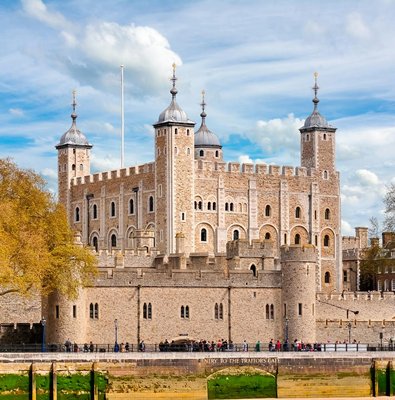
- Tower of London. Nearly a thousand years of royal history, the Crown Jewels and the Yeoman Warders who lead the stories.
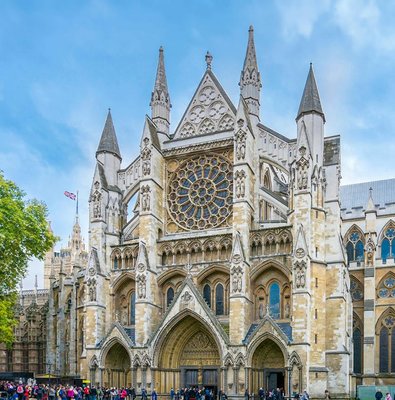
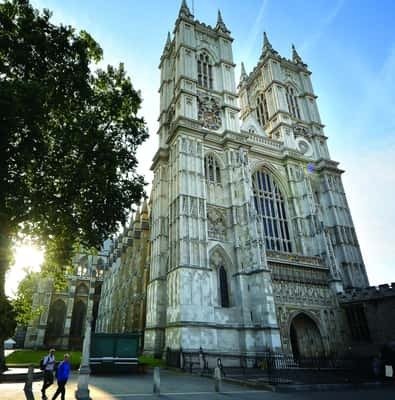
- Westminster Abbey. A working church where coronations and royal weddings happen, with poets, scientists and monarchs buried inside.
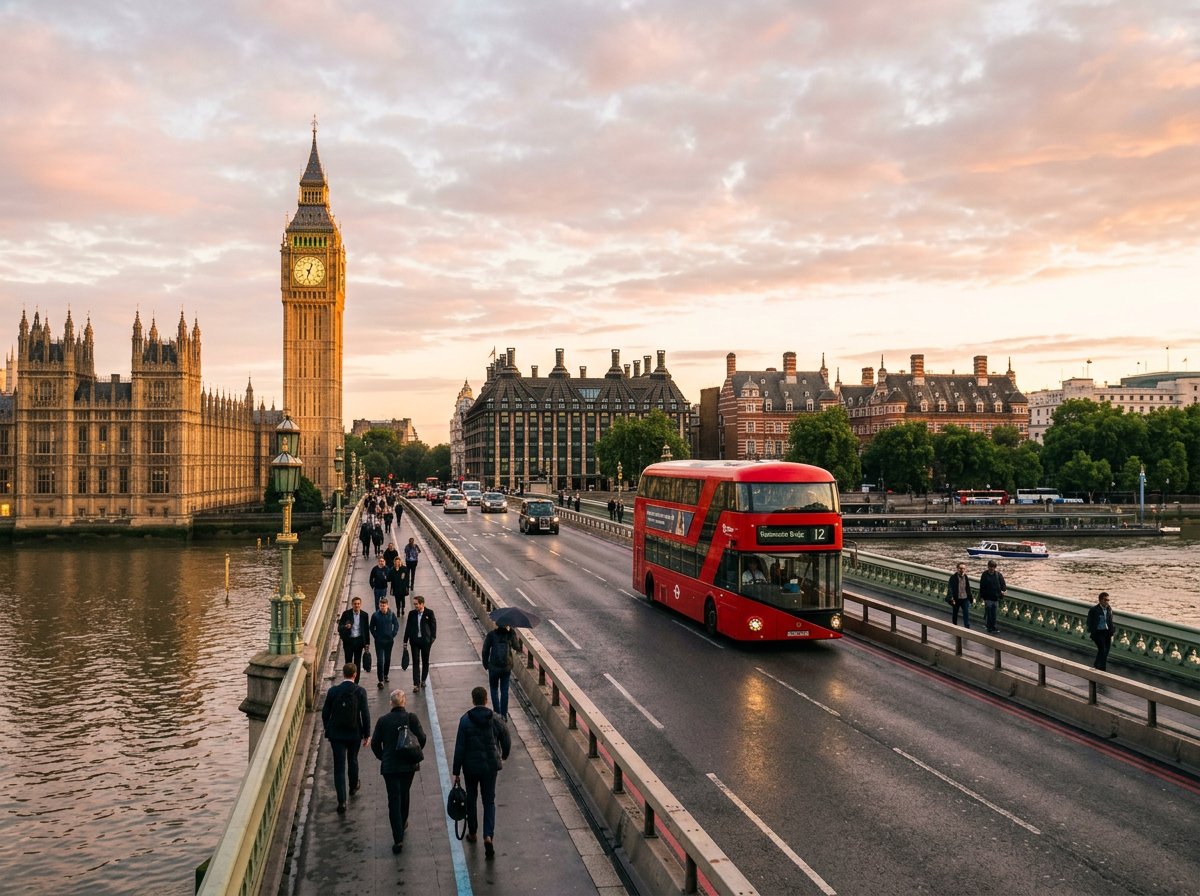
- Big Ben and the Houses of Parliament. Walk across Westminster Bridge for the classic view, then continue along the river.
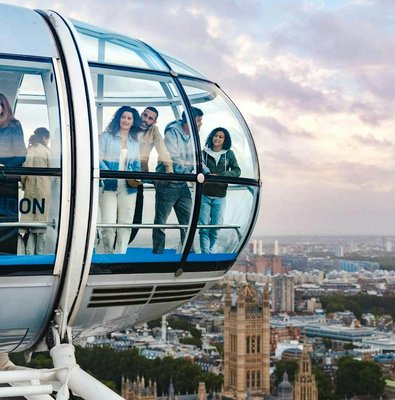
- London Eye. A slow, smooth ride that gives you the skyline in one sweep. Go on a clear day.
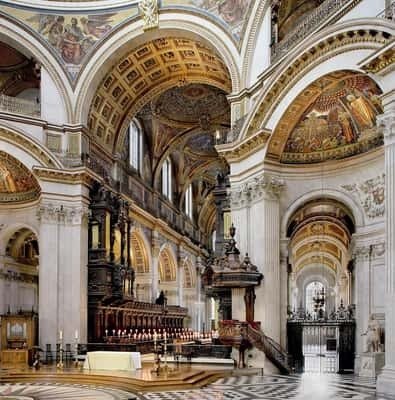
- St Paul's Cathedral. Climb the dome for one of the best city views, then stand under it and look up.
- British Museum. The Rosetta Stone and the Egyptian galleries alone can fill a morning.
- Buckingham Palace and St James's Park. See the palace, then wander the park, which is one of the loveliest in the city.
- Borough Market and the South Bank. Eat your way through the market, then walk past the Globe Theatre and Tate Modern.
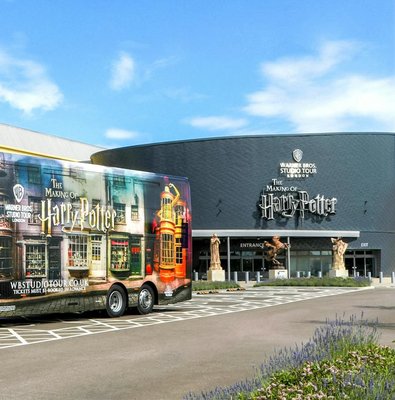
- Harry Potter studio tour. Just outside the city, it is a favorite for families and fans of any age.
- A West End show. Musicals and plays run nearly every night, and a night at the theater is classic London.
- Camden, Notting Hill or Greenwich. Pick one for a slower afternoon among markets, pastel townhouses or maritime history.
Many of these sell out in busy seasons, so it helps to look at guided tours and skip-the-line tickets in London before you lock in your days.
Places to Put on Your London Map
- Tower of London
- British Museum
- Buckingham Palace
- Westminster Abbey
- Windsor Castle
- Greenwich Royal Observatory
- Hampton Court Palace
When Is the Best Time to Visit London
The best time to visit London for most people is late spring or early fall. May, June and September usually bring mild temperatures, long evenings and gardens in good shape. Crowds are real but manageable.
Summer is lively, with parks full and outdoor terraces packed. It can also be the most crowded and expensive season for hotels, and a few hot days can feel rough since many older buildings lack air conditioning. Fall is cooler and quieter after the first weeks of September, with golden light in the parks.
Winter is cold and damp rather than snowy, with daytime temperatures often in the 40s Fahrenheit and daylight fading by mid-afternoon in December. The upside is holiday lights, festive markets and fewer tourists at major sights in January and February. Spring brings blossoms and changeable weather.
Whatever the season, rain can show up any day. Pack a compact umbrella and a layer you can add or shed, and you will be fine.
Month by Month in London
Late spring and early fall bring mild weather, long daylight and manageable prices outside peak summer
How Many Days to Spend in London
Three full days covers the headline sights without rushing. Four or five lets you add a day trip or a slower neighborhood afternoon. Here is a sample plan for four days.
- Day 1, Royal and historic London. Westminster Abbey, a walk past Parliament and Big Ben, St James's Park and Buckingham Palace, then a London Eye ride toward sunset.
- Day 2, The City and the river. Tower of London in the morning, a stroll across Tower Bridge, lunch at Borough Market, then St Paul's Cathedral and the South Bank.
- Day 3, Museums and the West End. The British Museum in the morning, Covent Garden for lunch, an afternoon wander through Soho, and a show in the evening.
- Day 4, Out of town. Choose a day trip from London such as Windsor, Stonehenge and Bath, the Cotswolds, or the Harry Potter studios.
If you have extra time, add a Jack the Ripper walking tour one evening for a darker slice of East End history. Heading north afterward? Our Edinburgh guide makes a natural next chapter.
Where to Stay in London by Neighborhood
Choosing where to stay in London comes down to what kind of trip you want. The city is large, but being near a Tube station matters more than being in the exact center.
- Covent Garden and Soho. Best for first-timers who want theaters, restaurants and nightlife on the doorstep. It is lively and can be noisy at night.
- Westminster and St James's. Ideal for sightseeing on foot, with the Abbey, Parliament and the palace nearby. Quieter after dark.
- South Kensington and Kensington. Elegant and calm, close to the big museums and Hyde Park. A good fit for families.
- Southwark and Bankside. Right by the river, Borough Market and Tate Modern, with great evening views.
- Bloomsbury. Leafy squares, the British Museum and easy rail connections. It feels residential yet central.
- Shoreditch and the East End. Younger and more creative, with street art, markets and excellent food.
Rooms in London tend to be smaller than in the US, so check photos and floor sizes if you are traveling with luggage or kids.

Getting Around London by Tube, Bus and on Foot
The Underground, known as the Tube, is the backbone of getting around London. Most visitors simply tap a contactless card or phone at the gates, with no need to buy paper tickets. The Elizabeth line and Tube both connect Heathrow with central London, so you can skip an expensive taxi on arrival.
Buses are slower but scenic, and the front seats upstairs on a double-decker make a good free sightseeing ride. Black cabs are everywhere and reliable. Walking is often the best option in the center, since many sights are closer than the map suggests.
Remember that traffic drives on the left. Look both ways, and pay attention to the "Look Right" markings at crosswalks. For longer trips, trains leave from big stations such as Paddington, King's Cross and Euston. If you are building a wider trip, our Manchester guide is a good rail-friendly stop to the north.
Is London Safe for Visitors
Yes, London is generally safe for visitors, and most trips pass without any trouble. Violent crime against tourists is uncommon. The most likely problems are petty ones, especially pickpocketing and phone snatching in crowded places.
- Keep your phone away from the edge of tables and out of your back pocket, especially near busy stations, markets and tourist hotspots.
- Be alert on crowded Tube platforms and when a stranger gets unusually close.
- Phone snatchers sometimes work from bikes or scooters, so hold your phone firmly when checking maps on the street.
- Use licensed black cabs or app-based rides rather than unmarked cars late at night.
- Stick to well-lit, busy streets after dark, as you would in any large city.
Tap water is safe to drink, pharmacies are easy to find, and the emergency number is 999. Travel insurance with medical cover is a smart idea, since Americans are not covered by the UK's public system for non-urgent care.
Classic London Foods Worth Seeking Out
London's food scene has long outgrown its old reputation. Alongside global cuisines, a few British classics are worth trying at least once.
- Fish and chips. Crisp battered fish with thick chips, best in a proper pub or a neighborhood chippy.
- Sunday roast. Roast meat, Yorkshire pudding, potatoes and gravy, served in pubs across the city.
- Afternoon tea. Finger sandwiches, scones with clotted cream and jam, and a pot of tea. Book ahead in popular hotels.
- Full English breakfast. Eggs, bacon, sausage, beans, tomato and toast, and it will carry you through the afternoon.
- Curry. London's South Asian food is outstanding, and Brick Lane and its surrounding streets are a good place to start.
- Pie and mash. A traditional East End meal that is hearty and unfussy.
Pubs are social spaces, and you usually order at the bar rather than waiting for table service. Many restaurants add a service charge to the bill, so check before adding more.
What to Book Ahead for Your London Vacation
London rewards a little planning. A few experiences are worth reserving before you leave home, particularly in summer, around school holidays and on weekends.
- Tower of London and the Crown Jewels. Timed entry helps you avoid the longest lines.
- London Eye. Booking a slot lets you pick the time of day, and sunset is especially popular.
- Westminster Abbey and St Paul's Cathedral. Both draw heavy crowds, and advance entry saves valuable sightseeing time.
- Harry Potter studio tour. It sells out far ahead, and a version with transfers removes the logistics.
- Day trips. Windsor, Stonehenge and Bath in a single day, or a small-group Cotswolds tour, are easier with a guide than by train and bus.
- Walking tours. An evening Jack the Ripper tour is a fun way to see Whitechapel after dark.
You can browse these and more on our London tours and tickets page. If London is just one part of a bigger itinerary, our guide to the UK can help you decide where to go next.