San Pedro de Atacama is a small adobe-walled town on the edge of the driest non-polar desert on Earth, and it feels like a base camp for another planet. Salt flats, steaming geysers, flamingo lagoons, volcano-backed horizons, and some of the clearest night skies you will ever see all sit within a day trip of town. This travel guide covers what to do, when to go, where to stay, and how to organize your time.
The town itself is tiny and dusty, with dirt lanes, low whitewashed buildings, and restaurants with fire pits. Nearly everything you came for is out in the desert, which means the real planning is about timing, altitude, and which excursions to line up. If you are building a bigger trip, our guide to Chile shows how the Atacama fits alongside the rest of the country.
Best Things to Do in San Pedro de Atacama
If you are wondering what to do in San Pedro de Atacama, start with this list. Most of it involves a van, a guide, and a very early or very late start. Browsing guided tours in San Pedro de Atacama is a good way to see how these outings are usually packaged.
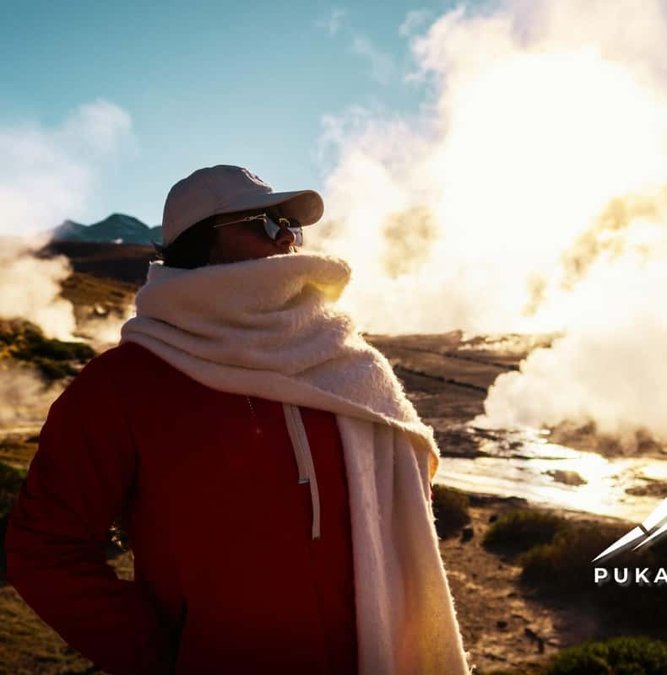
- El Tatio Geysers at sunrise. You leave in the dark and arrive as steam columns rise into freezing air at around 4,300 meters. Many tours include a breakfast stop, and the cold is the point, since the steam is most dramatic at dawn.
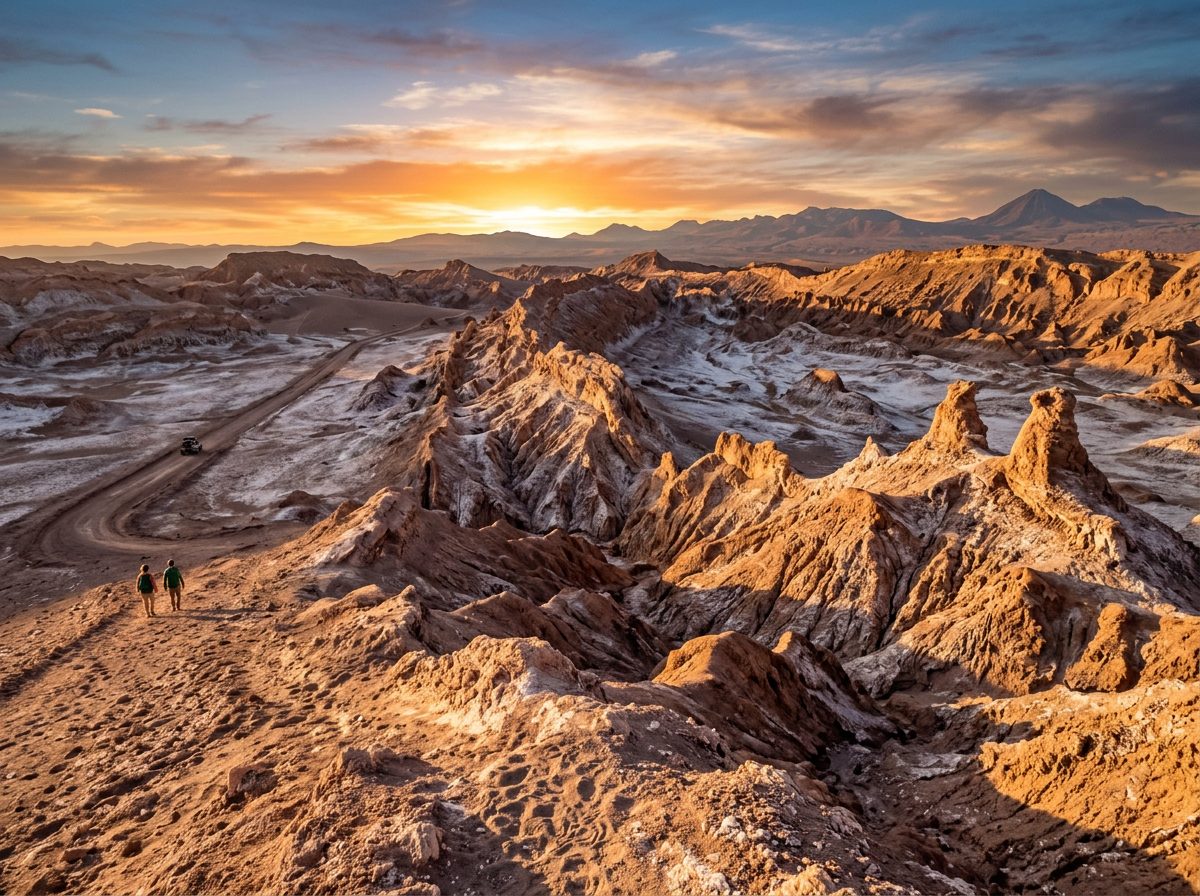
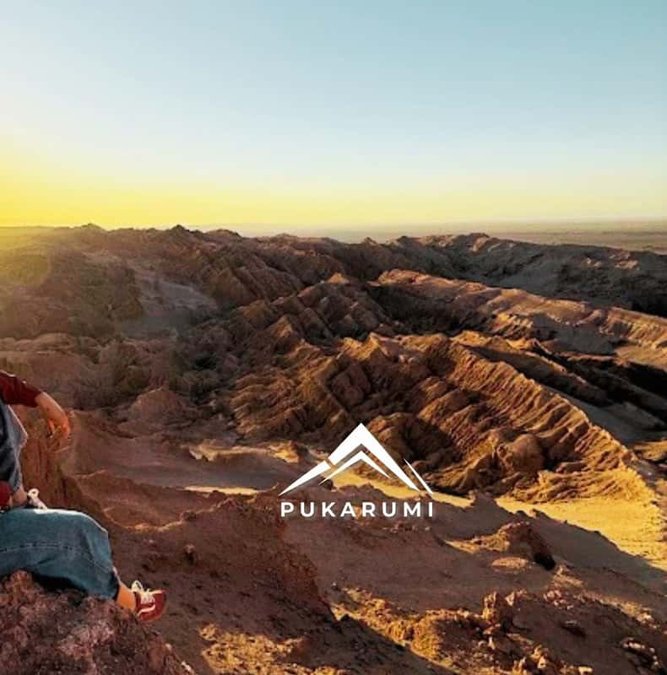
- Valley of the Moon at sunset. Ridges of salt, sand, and rock in the Cordillera de la Sal glow orange and pink as the sun drops. Sunset is the classic way to see it.
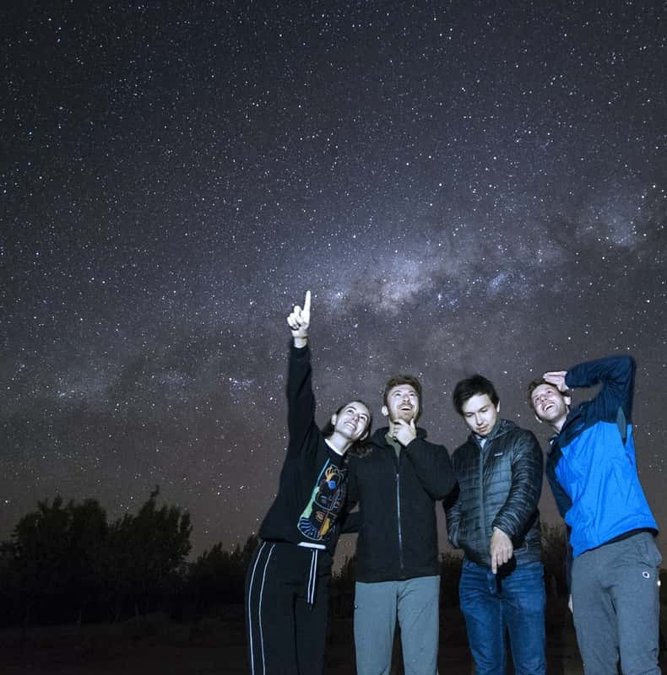
- Stargazing. Dry air and little light pollution make for a sky packed with stars. Astronomy outings usually include telescope time and a guide who points out southern hemisphere constellations.
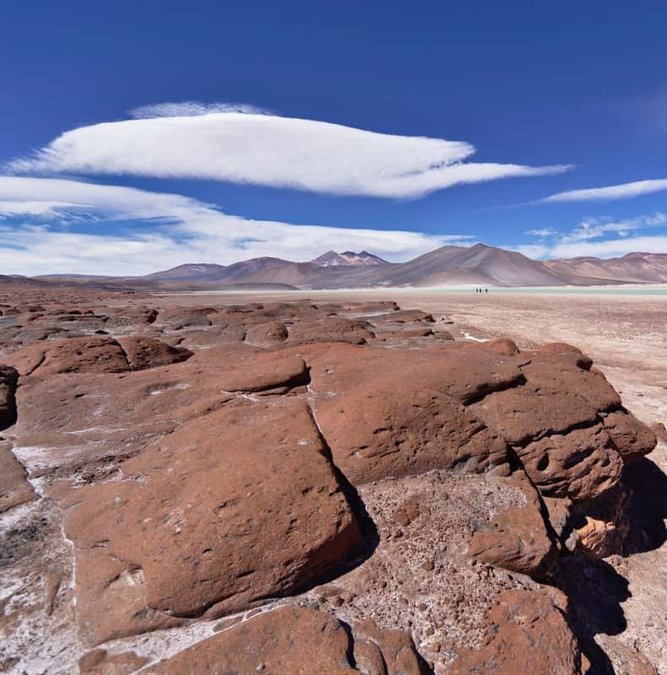
- Piedras Rojas and the Altiplanic lagoons. A full-day drive climbs to turquoise lakes, red rock formations, and vicuñas grazing against volcano views. Lagoons like Miscanti and Miñiques are the stars here.
- Laguna Chaxa and the Salar de Atacama. Andean, Chilean, and James's flamingos feed in shallow brine pools on a huge salt flat. Many travelers pair this with the highland lagoons for a long, rewarding day.
- Baltinache hidden lagoons. These very salty pools let you float effortlessly, like a desert version of the Dead Sea, with a stark backdrop around you.
- Pukara de Quitor. This pre-Inca hilltop fortress sits a short distance outside town and gives a good view over the oasis and valley.
- Museo Gustavo Le Paige. A small museum with archaeological collections that give context to the people who lived here for thousands of years.
- The village itself. Wander Calle Caracoles, look at the adobe church on the main plaza, and browse the craft stalls. It is a pleasant way to spend a slow afternoon.
- Biking or hiking nearby. Flat routes around the oasis and the dry riverbeds are easy to do on your own, if you start early and carry plenty of water.
Places to Put on Your San Pedro de Atacama Map
- Valle de la Luna
- Laguna Cejar
- El Tatio Geysers
- Lagunas Miscanti y Meniques
- Salar de Atacama
Best Time to Visit the Atacama Desert
The best time to visit San Pedro de Atacama is generally the dry, clear months between roughly March and November, when the weather is stable and the skies are crisp. Rain is rare in town year round, but that does not mean the weather is uniform.
Days are sunny and mild to warm for most of the year, and nights get cold at this elevation. Winter, around June to August, brings very chilly mornings, so sunrise geyser trips call for real layers, hats, and gloves. Winter also tends to deliver outstanding stargazing.
In the summer months, especially around January and February, the highlands can get afternoon storms often called the altiplanic winter. These can occasionally affect roads and lagoon excursions. Summer is also holiday season in Chile, so expect more local visitors. The shoulder seasons offer a good balance of comfortable temperatures and manageable crowds. The moon matters too. A full moon makes the Valley of the Moon beautiful but washes out the stars, so check the lunar calendar if astronomy is a priority.
Month by Month in San Pedro de Atacama
Sept to Nov bring mild days, clear skies and fewer crowds, while Jan and Feb see altiplanic rain
How Many Days in San Pedro de Atacama
Most travelers are happiest with three to four full days. Two days will let you hit the headline sights but feels rushed, and the early starts catch up with you. Five days lets you slow down and add a hike or a bike ride. If you are continuing south to Patagonia, our Puerto Natales guide shows what a very different Chilean landscape looks like.
Here is a sample four-day itinerary for San Pedro de Atacama that spaces out the hard mornings.
- Day 1. Arrive, drink lots of water, and take it easy while you adjust to the altitude. Walk the village and catch the Valley of the Moon at sunset.
- Day 2. Rise before dawn for the Tatio Geysers, then rest in the afternoon. Book a stargazing session that night if you still have energy.
- Day 3. Take the full-day highland trip to the Altiplanic lagoons, Piedras Rojas, and the flamingos at Chaxa.
- Day 4. Sleep in, then float in the Baltinache lagoons or visit Pukara de Quitor and the museum before your onward journey.
Travelers short on time often choose a multi-day combination of excursions, which handles the logistics for you. You can compare those options on our San Pedro de Atacama tours page.
Where to Stay in San Pedro de Atacama
The area you pick shapes your trip more than the hotel type does. Here is how the main options break down.
- The village center. Around Calle Caracoles and the plaza, you can walk to restaurants, bars, and tour agencies. It is the most convenient choice, though evenings can be lively. Ask about street noise.
- Quieter edges of town. Guesthouses and hostels a few blocks out are calmer, still walkable, and often have courtyards with fire pits that are great for chilly nights.
- The ayllus outside town. Places like Quitor, Larache, and Solor are traditional oasis settlements with leafy lanes, farm plots, and more spacious lodges. You will want a bike, a taxi, or a transfer to get into town, but the peace is hard to beat.
- Upscale desert lodges. A number of resorts sit a short drive out. They usually bundle meals and excursions, which suits travelers who want everything arranged.
Budget travelers will find hostels and simple guesthouses in the center. Whatever you choose, look for places with good heating, since many adobe rooms get cold at night, and confirm that they can store luggage or arrange early breakfast boxes for dawn departures.
Getting to San Pedro and Getting Around
Most visitors fly into Calama, the nearest major airport, which has regular flights from the capital. Our Santiago guide is handy if you are spending a few days there first. From Calama, shared shuttles and private transfers cover the roughly hour-and-a-half drive to San Pedro across open desert.
Once you arrive, the village is compact and easy to walk. Bikes are a good option for nearby sights, and taxis handle the ayllus. For the distant highlights, most travelers join guided excursions. The roads to the geysers and highland lagoons are long, rough in places, and high in altitude, so having an experienced driver is a real benefit. Renting a car is possible, but desert distances, gravel, and limited fuel stops mean it is best for confident drivers.
Is San Pedro de Atacama Safe
Yes, San Pedro de Atacama is generally considered a calm, welcoming place for travelers. Serious crime against visitors is uncommon. As anywhere, take simple precautions. Keep valuables out of sight, do not leave bags unattended at bars or on tour vans, and lock your room.
The more realistic risks come from nature. The town sits at about 2,400 meters, and many excursions climb far higher. Give yourself a day to adjust, drink plenty of water, go easy on alcohol at first, and ask a doctor before your trip if you have heart or lung conditions. Coca tea, widely served in town, is a popular local remedy for mild altitude discomfort.
The sun is intense, so wear sunscreen, sunglasses, and a hat even on cool days. Layers matter, because temperatures swing dramatically between midday and dawn. Carry some cash, since not every small business takes cards and ATMs can run out. Tap water can be a concern for sensitive stomachs, so most visitors stick to bottled water, and conserving water is appreciated in this very dry place.
What to Eat in San Pedro de Atacama
Food here blends Andean traditions with Chilean staples. Look for empanadas, hearty stews like caldillo, and grilled meats served at courtyard restaurants. Llama appears on many menus, and quinoa, corn, and potatoes show up in creative forms. Pastel de choclo, a baked corn and meat dish, is a classic comfort meal.
To drink, try a pisco sour, the national cocktail, or sip rica rica tea, made from a fragrant local herb. Many restaurants cluster along Caracoles and the lanes just off it, and most serve dinner at a relaxed pace. Sit near a fire pit if you can, because desert nights get cold. Bakeries make good quick breakfasts and snacks to take on excursions.
What to Book Ahead for the Atacama
Peak season can fill the best departures, and some experiences have limited group sizes. Sunrise at the Tatio Geysers, the Valley of the Moon at sunset, and stargazing sessions are the ones to reserve early. The full-day highland lagoons trip, and the Baltinache lagoons, also tend to sell out in busy months.
Plan the order carefully. Put an easy day after a dawn start, and place the highest-altitude outings after you have spent a night or two in town. If you want to avoid sorting the logistics yourself, check the tours and experiences in San Pedro de Atacama for sunset, sunrise, stargazing, lagoon, and combination options, then build your free time around them.