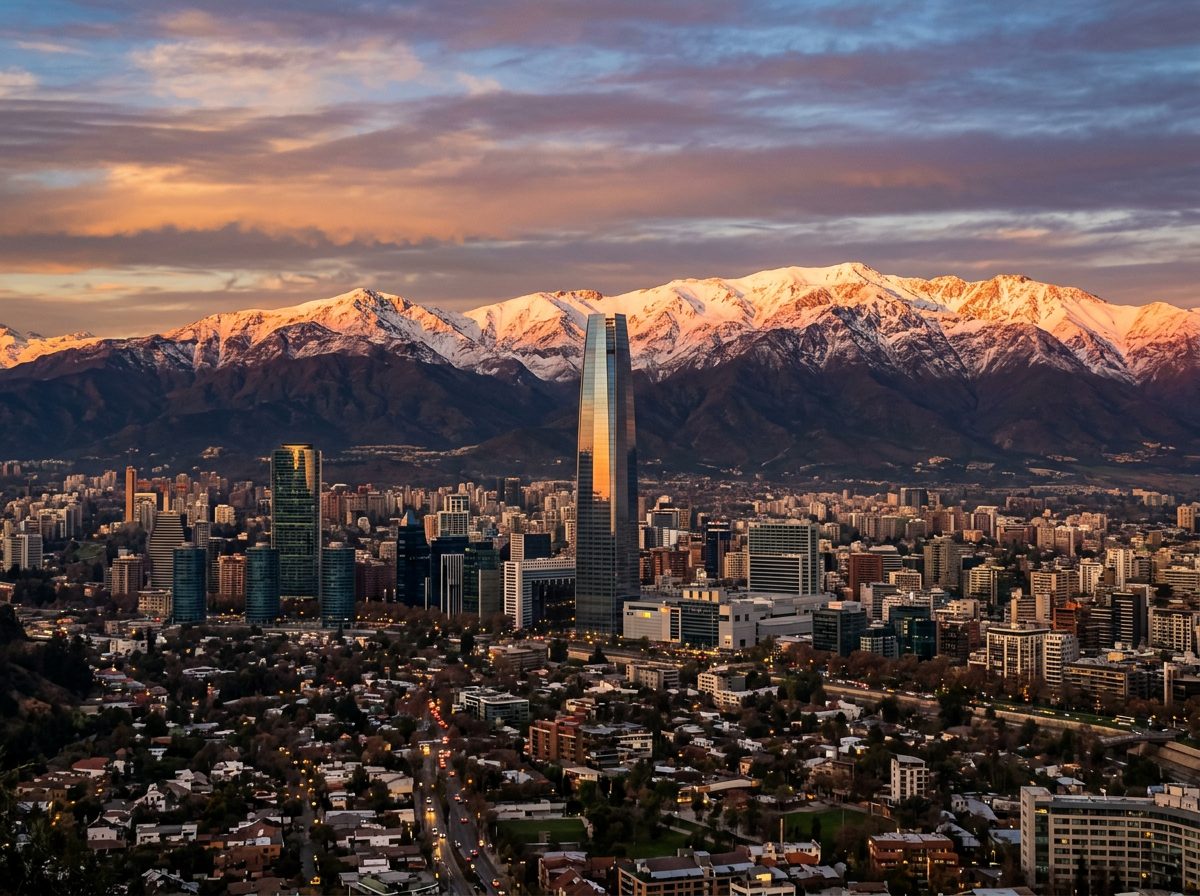
Santiago sits in a wide valley with the snowcapped Andes rising right behind the skyline, and on a clear day that view alone is worth the flight. It is a big, modern, walkable-in-pieces capital with hilltop parks, excellent wine, a lively food scene, and an easy launch point for the coast and the mountains. If you are wondering what to do in Santiago, the answer is a mix of city sights, neighborhood wandering, and at least one day out of town.
This guide covers Santiago, Chile, including when to go, where to stay, how to get around, and whether it is safe. If you were searching for Santiago in the Dominican Republic, there is a short section on that city near the end.
Ten Top Things to Do in Santiago Chile
Most of the best things to do in Santiago fit into a few compact areas, so you can stack them easily.
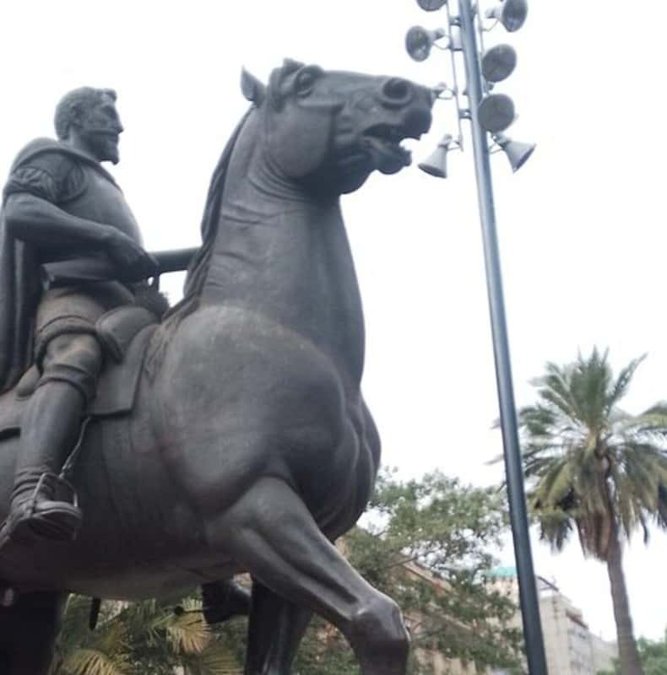
- Plaza de Armas and the Catedral Metropolitana. The historic heart of the city, with street performers, chess players, and colonial-era buildings around the square.
- Palacio de La Moneda. The presidential palace is a short walk away, and the plaza out front is a good spot to get your bearings.
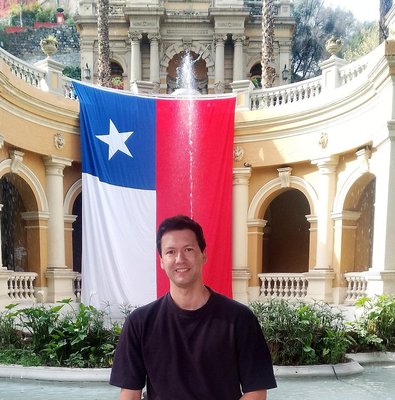
- Cerro Santa Lucía. A small, leafy hill with stairways, terraces, and city views, right between downtown and Lastarria.
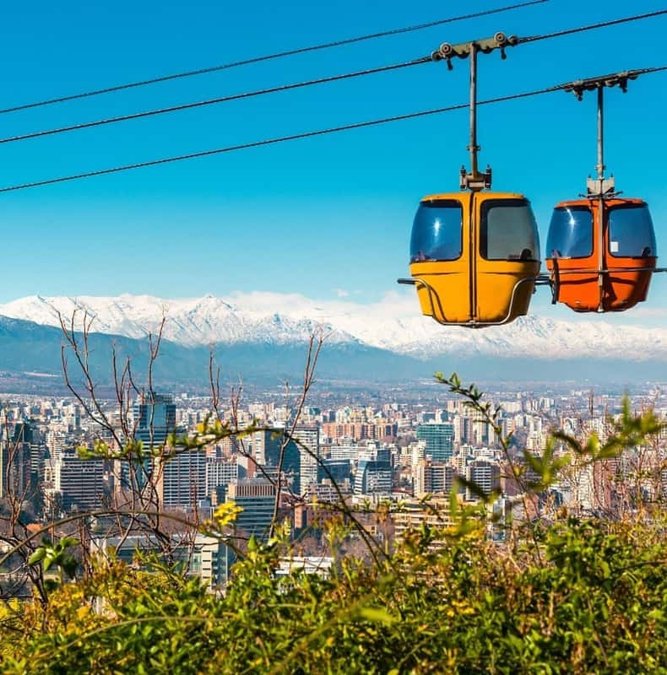
- Cerro San Cristóbal. Ride the funicular or cable car up to the Virgin Mary statue for sweeping views, or hike up if you want the exercise.
- Mercado Central. A classic iron-framed market for seafood, and a good place to see how Santiaguinos eat lunch.
- La Vega Central. The big, noisy produce market nearby, great for fruit, nuts, and people-watching.
- Museo Chileno de Arte Precolombino. A beautifully curated look at the Americas before the Spanish arrived.
- Museo de la Memoria y los Derechos Humanos. A powerful, thoughtful museum about the military dictatorship years, worth the time if you want context on modern Chile.
- Barrio Bellavista and La Chascona. Colorful streets, murals, and the Santiago home of poet Pablo Neruda.
- The Costanera Center viewpoint. The tower gives a wide 360-degree look at the city and the mountains, best on a clear morning.
For a first morning, a guided walking tour of the Old Town ties the history together quickly and helps you decide where to return on your own.
Places to Put on Your Santiago Map
- Plaza de Armas
- La Moneda Palace
- Cerro Santa Lucía
- Cerro San Cristóbal
- Museum of Memory and Human Rights
- Valparaíso
- Valle Nevado
Best Time to Visit Santiago Chile Season by Season
Santiago has a Mediterranean climate, and remember that the seasons are flipped from the Northern Hemisphere. The best time to visit Santiago Chile for most travelers is spring (September to November) or autumn (March to May).
- Spring. Mild days, blooming trees, and clear mountain views. Mid-September brings the Fiestas Patrias, when the city celebrates with barbecues and folk dancing and many locals travel.
- Summer (December to February). Hot and dry, often well into the 90s F. Evenings are pleasant, and the Andes are perfect for hiking. Some locals leave for the coast in peak summer, so parts of the city feel quieter.
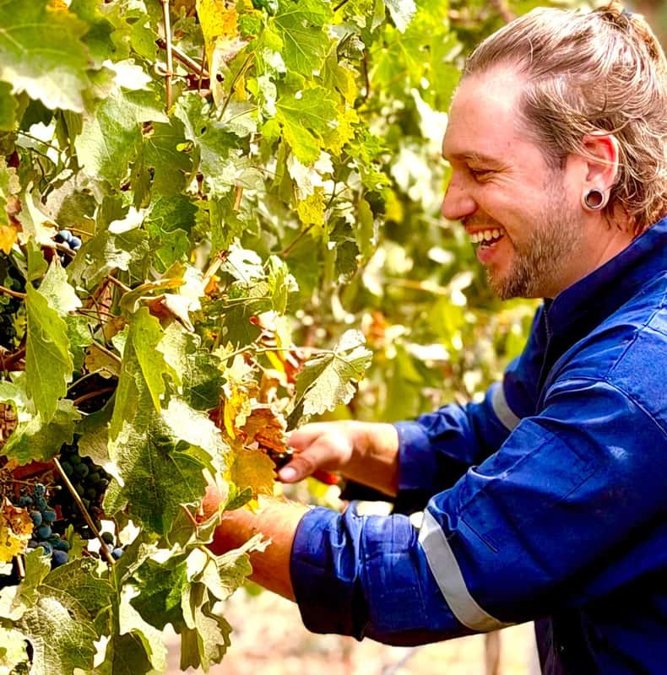
- Autumn. Warm days, cool nights, and grape harvest season in the wine valleys. This is a favorite for winery visits.
- Winter (June to August). Cool and the wettest time of year, with occasional smoggy days in the valley. When storms clear, the snowy Andes look spectacular, and ski areas are within day-trip range.
Crowds in Santiago are rarely a problem. Book ahead mainly for holidays and the busiest wine weekends.
Month by Month in Santiago
Spring and fall, especially April and October to November, bring mild sunny weather and fewer crowds.
How Many Days to Spend in Santiago
Two full days covers the highlights, and three or four lets you add a day trip without rushing. Santiago also works as a gateway to the rest of the country, so many travelers pair it with other highlights across Chile, such as the desert near San Pedro de Atacama or Patagonia via Puerto Natales.
- Day 1. Plaza de Armas, the cathedral, La Moneda, Mercado Central, then an afternoon at Cerro Santa Lucía and a dinner in Lastarria.
- Day 2. Morning cable car and funicular ride up Cerro San Cristóbal, lunch in Bellavista, and an afternoon at a museum.
- Day 3. A day trip to Valparaíso and Viña del Mar, with a stop in the Casablanca Valley for wine.
- Day 4. Head to Cajón del Maipo for mountain scenery and a hike, or spend the day among the Maipo Valley wineries.
Where to Stay in Santiago Chile by Neighborhood
Choosing where to stay in Santiago Chile mostly comes down to vibe, since the Metro connects everything.
- Lastarria and Bellas Artes. The best first-timer base. Cobbled lanes, cafes, small museums, and restaurants, with the main sights an easy walk away.
- Bellavista. Artsy and lively, with great dining and nightlife at the foot of San Cristóbal. It can be noisy on weekends.
- Providencia. Leafy, residential, and comfortable, with good Metro access, parks, and a calm feel.
- Las Condes and El Golf. The polished business district with modern hotels and upscale restaurants. It is quiet at night and less atmospheric, but very convenient for the airport road and for business travelers.
- Barrio Italia. Design shops, antique stores, and relaxed cafes. Great if you like a neighborhood feel over big hotels.
Getting Around Santiago by Metro, Rideshare, and Foot
The Metro is clean, fast, and the easiest way to cover distance. You load a rechargeable card, and the main lines reach nearly every sight in this guide. Avoid the busiest rush hours if you can, partly for comfort and partly for pickpocket reasons.
Rideshare apps and taxis are plentiful for evenings and for getting to the hillside spots. The historic center, Lastarria, and Bellavista are all very walkable. From the airport, a pre-arranged transfer or rideshare to the city usually takes about 30 to 45 minutes depending on traffic. For wine regions, the mountains, and the coast, joining a tour saves you from navigating long drives and having a designated driver.
Is Santiago Chile Safe? Honest Advice
Santiago is generally considered one of the more comfortable big cities in Latin America for visitors, and most trips are uneventful. The most common problem is petty theft, like phone snatching, bag slashing, and pickpocketing, especially on crowded Metro cars, in busy markets, and around Plaza de Armas.
- Keep your phone in a front pocket or bag while walking, and avoid using it right at the curb or Metro doors.
- Carry only what you need for the day and leave your passport copy and extra cards at your hotel.
- Stick to well-lit streets at night, and use a rideshare late in Bellavista and the downtown area.
- Demonstrations sometimes happen around Plaza Italia and the downtown core. If one starts, simply steer clear.
- Chile sits on a major fault line, so earthquakes are part of life. Learn your hotel's guidance and stay calm if one hits.
In winter, air quality can dip on still days, which matters if you have respiratory issues.
Food and Drink Worth Seeking Out in Santiago
Chilean food is hearty and seafood-forward, and the wine is a reason to visit all by itself.
- Empanadas de pino. Baked pastries filled with beef, onion, olive, and egg.
- Completo. A hot dog loaded with avocado, tomato, and plenty of mayo.
- Pastel de choclo. A savory corn casserole with meat filling, baked in a clay dish.
- Caldillo de congrio. A comforting conger eel soup that is a staple of the seafood market restaurants.
- Pisco sour. The national cocktail, tart and strong.
- Carménère. The grape that Chile made its own, and a must-try red.
- Mote con huesillo. A summer street drink of dried peach and wheat, sweet and refreshing.
Tours to Book Ahead in Santiago
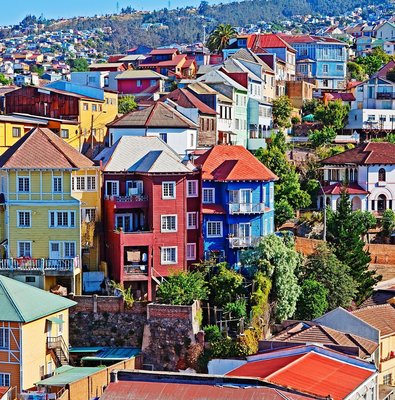
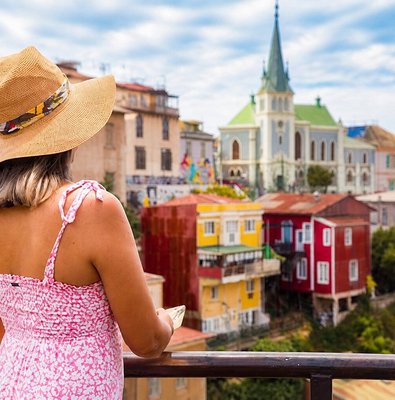
You can wander the city on your own, but the surrounding countryside is easier with a guide. Wine-focused outings are the most popular, including full days in the Casablanca Valley, Maipo Valley tastings, and tours of historic wineries within reach of the city. A day trip to Valparaíso and Viña del Mar is also a favorite, since the colorful hillside port and the seaside resort town are tricky to link efficiently without a driver.
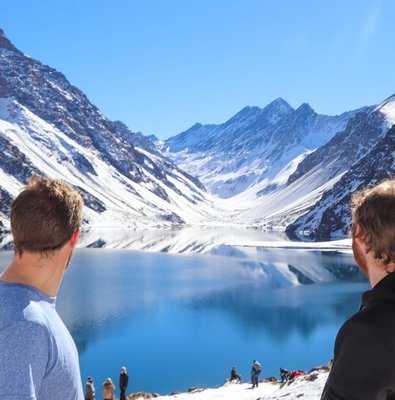
For mountains, look for a Cajón del Maipo outing, with options ranging from a scenic picnic by the reservoir to a hike toward Volcán San José. Browse the full selection of Santiago tours and day trips and reserve early for weekends, harvest season, and holidays.
Santiago in the Dominican Republic
Many searches for things to do in Santiago lead to Santiago de los Caballeros, the Dominican Republic's second city. It is a very different place, set in the Cibao Valley. Highlights include the towering Monumento a los Héroes de la Restauración, the Centro León art museum, a historic downtown with Victorian-style gingerbread homes, and cigar factories that explain the region's tobacco heritage. It is also a base for mountain trips toward Pico Duarte.
As for whether Santiago in the Dominican Republic is safe, it is a busy working city rather than a resort, and the same sensible rules apply as in any large urban area. Watch your belongings, avoid walking alone late at night, use trusted taxis or rideshares, and check your government's latest travel guidance before you book.