Chile is a long, skinny strip of a country, and that shape is the whole appeal. In one trip you can sip wine in a valley south of the capital, watch geysers steam at sunrise in the desert, and hike beneath granite towers at the bottom of the continent. This Chile travel guide covers what to do, when to go, and how to piece it together without wasting days in transit.
Distances are the main planning challenge. Santiago to the Atacama or to Patagonia means a flight, not a drive, so choose your regions carefully. Below you will find the highlights, seasonal timing, a sample itinerary, an honest look at safety, and what is worth booking before you land.
Top Things to Do in Chile for First-Time Visitors
If you are wondering what to do in Chile, start with this list. It leans on the places most travelers plan around.
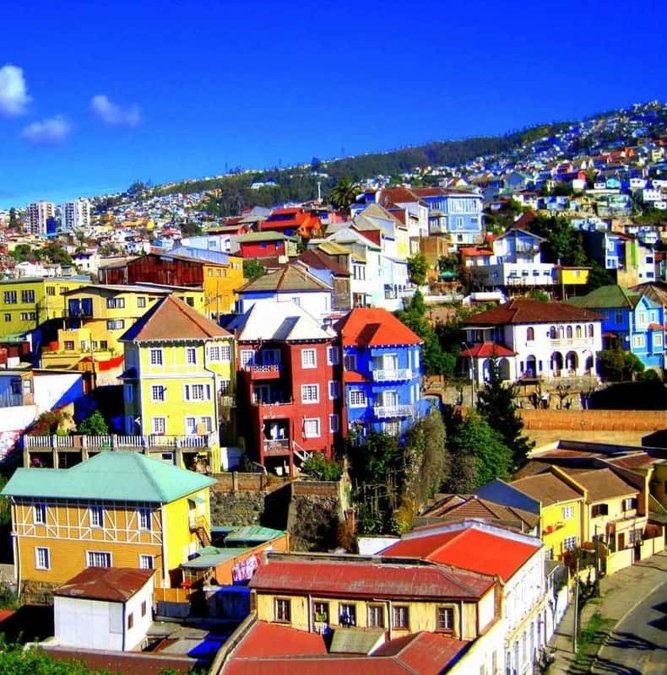
- Walk the hills of Valparaíso. This port city is a tangle of steep streets, old funiculars and colorful murals. Cerro Alegre and Cerro Concepción are the best for wandering.
- Pair it with Viña del Mar and the Casablanca Valley. Beaches and gardens sit next door, and the cool-climate vineyards nearby are known for crisp white wines. Many travelers do all three in a single day trip from Santiago.
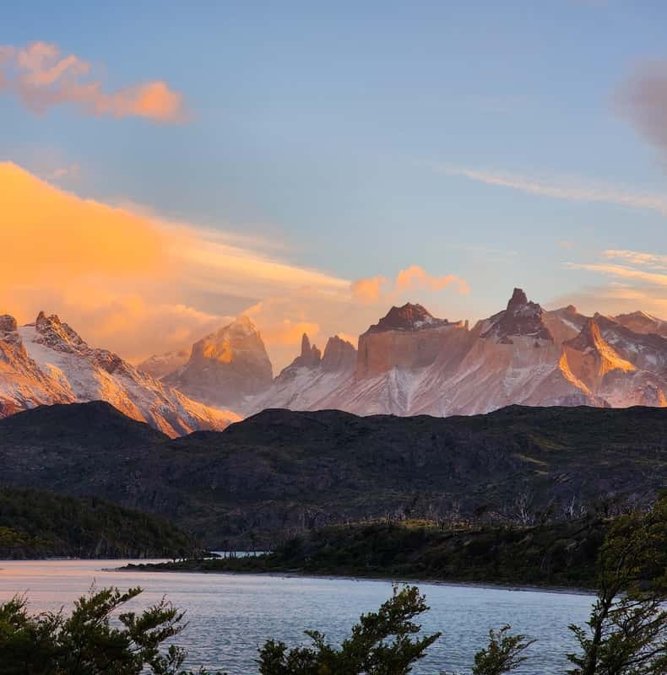
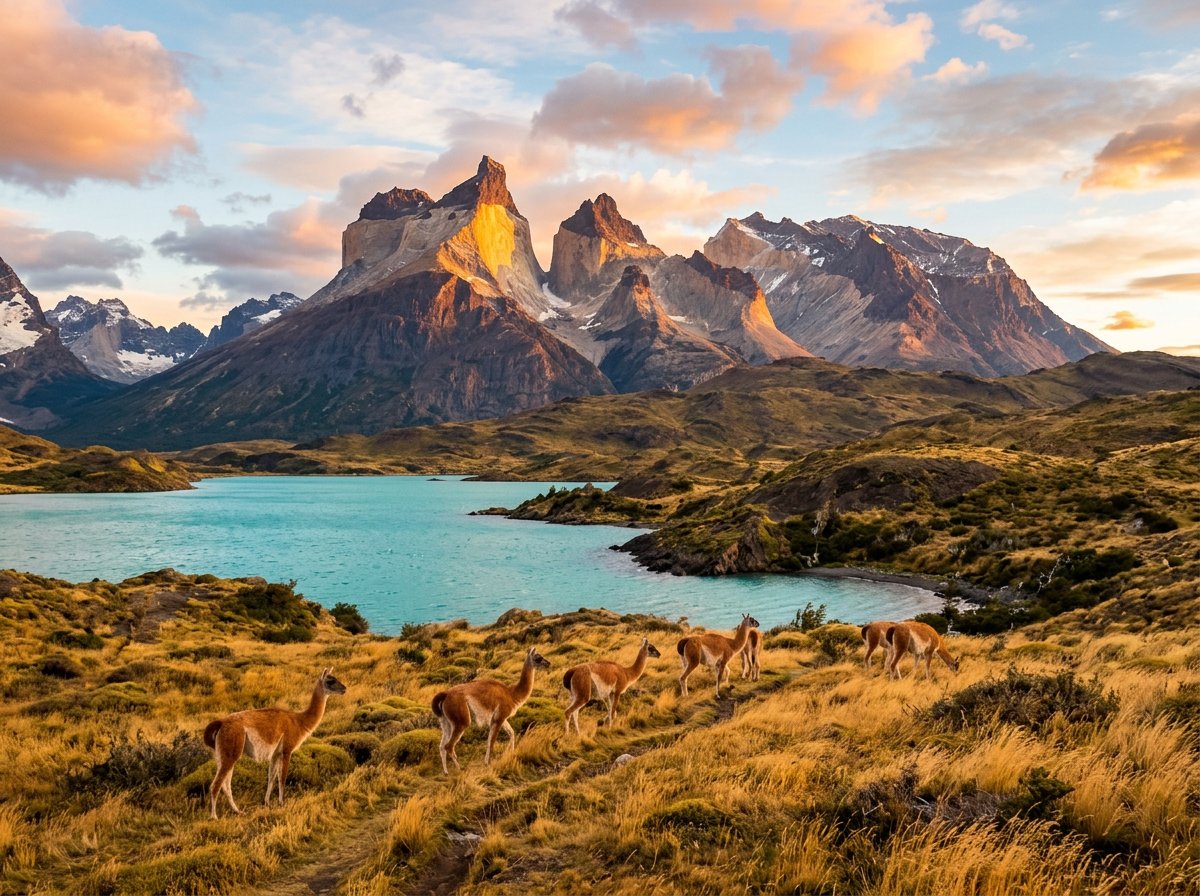
- Hike to the Base of the Towers. The trail in Torres del Paine National Park ends at a glacial lake under three granite spires. It is a long, rewarding day on foot.
- Cruise to Grey Glacier. A boat ride on Lago Grey brings you close to icebergs and the glacier's blue face, with no hiking required.
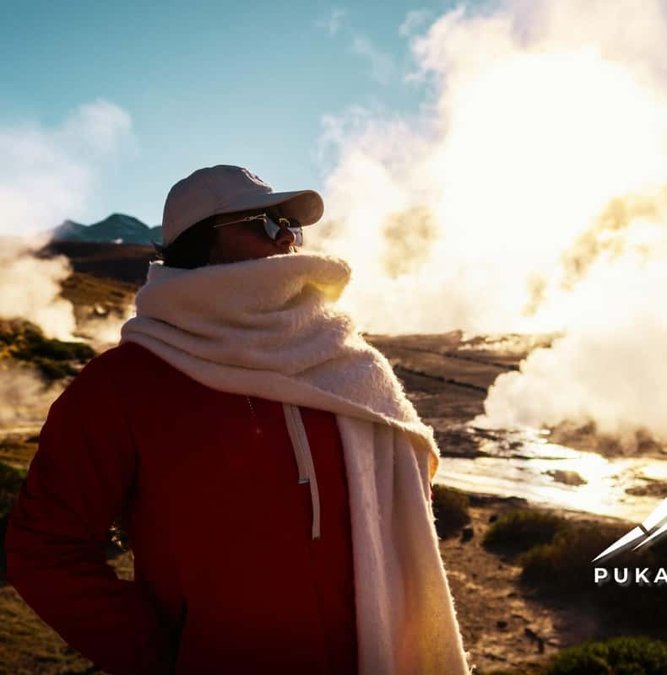
- See the Tatio Geysers at sunrise. Steam columns rise from the high Andean plateau in the cold early morning. Bring layers, because it is properly freezing.
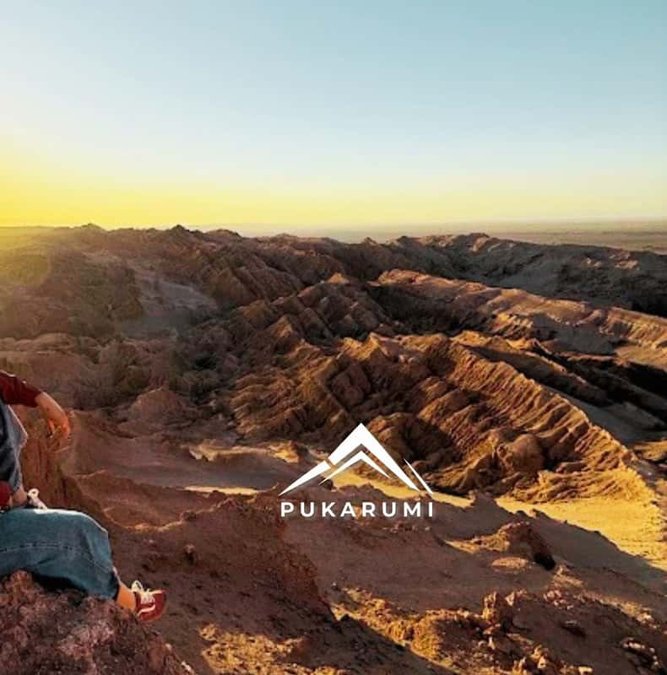
- Catch sunset in the Valley of the Moon. Wind-carved salt ridges and dunes glow orange and pink near San Pedro de Atacama.
- Go stargazing in the Atacama. The desert has some of the clearest night skies on Earth, and guided sessions with telescopes make the sky much easier to understand.
- Visit the high-altitude lagoons. Red Stones, the highland lagoons and Chaxa Lagoon, where flamingos feed in the Salar de Atacama, combine well into one big day.
- Explore Santiago. Climb Cerro San Cristóbal, browse Mercado Central and eat your way through Lastarria and Bellavista.
- Head to the Lake District. Pucón is the base for hiking, hot springs and views of Villarrica Volcano.
- Fly to Rapa Nui (Easter Island). The moai statues are remote and unforgettable, though they need extra days and a longer flight.
Things to Do in Santiago Chile Before You Head Out
Most trips start and end in the capital, so give it at least a day or two. The historic center around Plaza de Armas has the cathedral, the main post office and several good museums. Nearby, Mercado Central is a lively spot for seafood.
For views, take the funicular or cable car up Cerro San Cristóbal, where the city spreads out toward the Andes. Then settle into Barrio Lastarria for cafes and small galleries, and cross the river to Bellavista for street art, restaurants and La Chascona, one of poet Pablo Neruda's homes. On clear days, the snowy peaks behind the city feel unreal. Our guide to things to do in Santiago goes deeper on neighborhoods and day trips.
Month by Month in Chile
Nov to Mar brings the best weather for Patagonia and Santiago, with Jan and Feb the busiest and priciest
Best Time to Visit Chile by Region
Chile's seasons are reversed from the US, and the country spans so much latitude that the best time depends on where you are going.
- Patagonia. November through March is the prime window, with long daylight and the most reliable trail conditions. Wind is strong any time of year, and January and February bring the biggest crowds. Shoulder months are quieter, and autumn color can be lovely.
- Atacama Desert. It works year-round because rain is rare. Days are warm to hot and nights get cold, especially in winter. Sunrise geyser tours are chilly in every season.
- Santiago and central Chile. Summer (December to February) is hot and dry, while spring and fall are the most comfortable. Winter is cool, and the harvest season for wine country in early autumn is a highlight.
- Lake District. Summer is best for hiking and lakes. It rains often outside that season.
If you want one answer for a classic first trip combining the capital, desert and Patagonia, aim for November, December, February or March. You miss the worst crowds while keeping the weather mostly on your side.
How Many Days to Spend in Chile and a Sample Route
Ten to fourteen days lets you see the headline regions without rushing. With a week, pick two regions and skip the rest.
- Days 1 to 3, Santiago and the coast. Explore the capital, then take a day trip to Valparaíso, Viña del Mar and the Casablanca Valley.
- Days 4 to 7, Atacama. Fly to Calama and transfer to San Pedro. Plan the Valley of the Moon at sunset, the geysers at dawn, a stargazing night and the lagoons day. Spread out the high-altitude outings so you can adjust.
- Days 8 to 11, Patagonia. Fly south and base yourself in Puerto Natales. Dedicate one day to the Base of the Towers hike, another to a scenic park tour and one to the Grey Glacier boat.
- Days 12 to 14. Add a buffer day for weather, then return to Santiago for your flight home.
Where to Stay in Santiago, San Pedro and Puerto Natales
In Santiago, Lastarria is walkable and full of restaurants, which makes it the easiest pick for first-timers. Bellavista is livelier at night. Providencia and Las Condes are quieter, modern and close to the metro, and they feel very comfortable for families.
In the desert, nearly everyone sleeps in San Pedro de Atacama, a small adobe village with simple lodges, hostels and a few upscale resorts. Our San Pedro de Atacama guide covers how to organize your days there.
For Patagonia, Puerto Natales is the practical gateway for Torres del Paine, with hotels, outfitters and good restaurants along the waterfront. Read more in our Puerto Natales guide. Lodges inside the park are beautiful but book out far ahead.
Getting Around Chile by Plane, Bus and Metro
Because of the distances, domestic flights are how most visitors connect the big regions. Santiago is the main hub. You will fly to Calama for the Atacama and to Punta Arenas or Puerto Natales for Patagonia, then transfer by road.
Within Santiago, the metro is clean and efficient, and rideshare apps and taxis fill in the gaps. Long-distance buses are comfortable and a good option along the central coast and through the Lake District. A rental car is useful in wine country and the south, but not in the capital.
For remote highlights, such as geysers, salt flats and park trails, a guided outing saves you the logistics, the altitude worries and the early-morning driving.
Is Chile Safe? Honest Advice for Santiago and Beyond
Chile is generally considered one of the safer countries in South America, and most visits go smoothly. The most common issue is petty theft, not violent crime.
People often ask, is Santiago, Chile safe? For tourists, mostly yes, with big-city habits. Pickpocketing and phone snatching happen around Plaza de Armas, crowded metro cars, markets and busy pedestrian streets. Keep your phone tucked away when you are not using it, carry a small bag zipped in front, and do not leave belongings visible in a parked car. After dark, take a rideshare instead of walking through quiet areas of the center. Neighborhoods like Providencia, Lastarria and Las Condes feel relaxed in the evenings.
Other practical points worth knowing.
- Protests. Demonstrations occasionally take place around Plaza Italia. Avoid them and check local news.
- Earthquakes. Chile is seismically active. Hotels are built for it, so just follow staff instructions and signage on the coast.
- Altitude. The Atacama sits high. Drink water, go easy on the first day and skip heavy meals before geyser tours.
- Sun and wind. Desert and Patagonian sun is intense, and Patagonian wind can be fierce. Pack sunscreen and a windproof layer.
- Wildfires. Summer fire risk exists in central and southern regions, so stay flexible with plans.
Chilean Food and Drinks Worth Trying
Start with an empanada de pino, a baked pastry filled with beef, onion, olive and egg. Pastel de choclo is a sweet corn casserole over seasoned meat, and a completo is a loaded hot dog with avocado and tomato that locals love. On the coast, order fresh ceviche, congrio (conger eel) in broth, or a hearty seafood stew. In the south, look for curanto, a Chiloé specialty of shellfish and meats, and slow-roasted Patagonian lamb.
For drinks, try a pisco sour and the country's wines, especially Carmenère, a red grape Chile is known for. Cool-climate whites from places like Casablanca are great with seafood. For a summer street treat, mote con huesillo is a sweet peach drink with wheat, and bakeries offer sopaipillas, fried pumpkin dough. In the late afternoon, many Chileans have once, a light tea-time meal.
What to Book Ahead for Your Chile Trip
Several of Chile's best experiences run on small groups, early starts or limited seasons, so it pays to reserve them early. Patagonia tops the list. Torres del Paine day outings, the Base of the Towers hike and the Grey Glacier boat can fill in peak summer, and park lodging disappears months ahead. In the Atacama, sunrise geysers, Valley of the Moon sunsets, stargazing nights and the lagoon circuits are all popular, and good weather windows matter for the sky tours.
Near Santiago, a guided day through Valparaíso, Viña del Mar and the Casablanca Valley saves you from juggling buses and tasting-room logistics. You can browse guided tours across Chile to match your dates and fitness level, or jump straight to Chile tour options if you already know which regions you are visiting. Lock in the big-ticket days first, then leave a few open afternoons to wander, because Chile rewards slowing down.