Vancouver is one of the few big cities where you can kayak in the morning, eat great dim sum at lunch, and watch the sun drop behind snowy peaks by dinner. Mountains, ocean, rainforest, and a dense downtown all sit within a short ride of each other, which makes a Vancouver vacation easy to pack with variety.
This guide covers the best things to do in Vancouver, when to go, where to stay, how to get around, and whether the city is safe. We also touch on things to do on Vancouver Island, since many visitors add a day or two there.
The Best Things to Do in Vancouver, From Stanley Park to Gastown
If you are searching for things to do in Vancouver BC, start with this list. Most of it is outdoors, and a lot of it is walkable or a short transit ride apart.
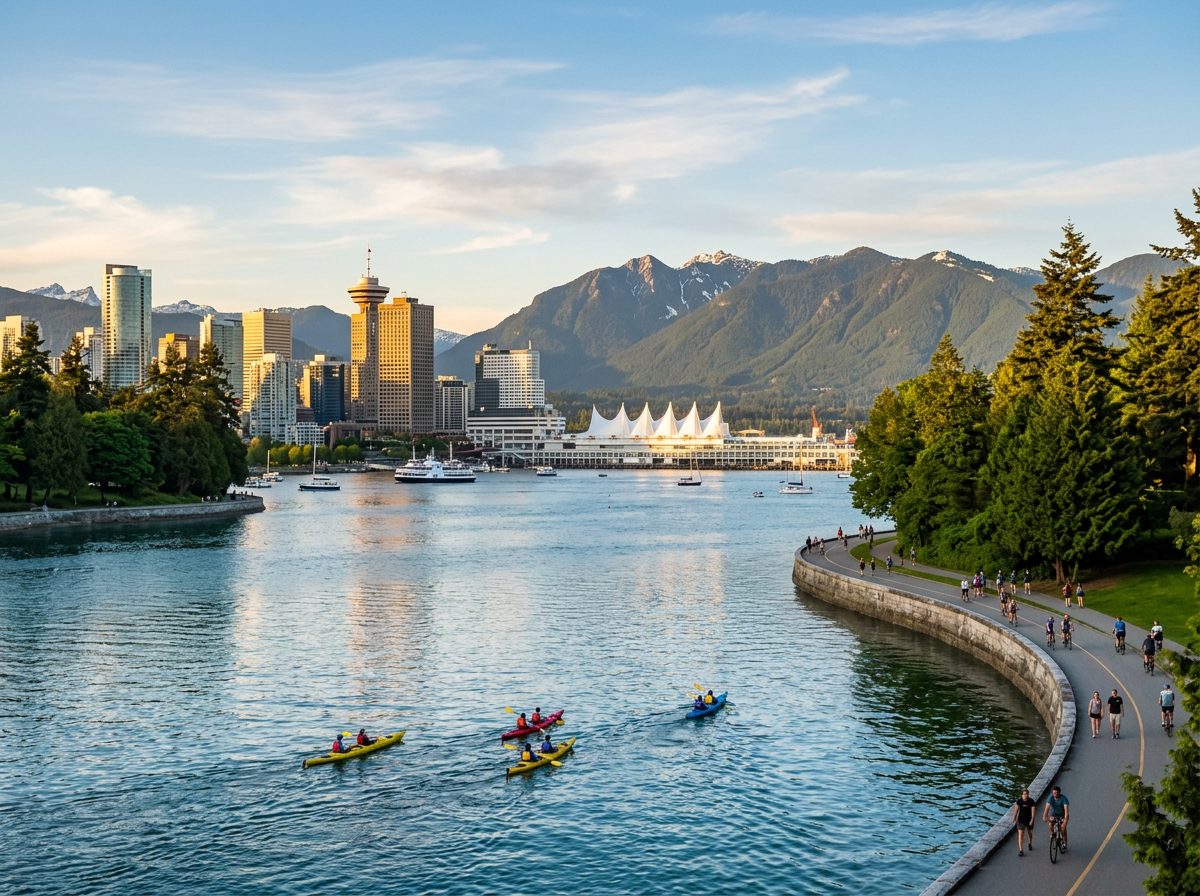
- Stanley Park. Walk, bike, or rent skates on the seawall, which loops the park with views of the water, the city, and the North Shore mountains. Look for the totem poles and the Lions Gate Bridge.
- Granville Island. The public market is the draw, with produce, seafood, baked goods, and plenty to snack on. Artisan studios and small breweries fill the surrounding streets.
- Gastown. The cobblestone streets, Victorian buildings, and the steam clock make this the city's historic heart. It is also full of independent shops and good restaurants.
- Capilano Suspension Bridge and the North Shore. Walk across a swaying bridge above a river canyon, then explore the forest trails and treetop walkways nearby.
- Grouse Mountain. A gondola lifts you above the city for views, hiking in summer, and snow activities in winter.
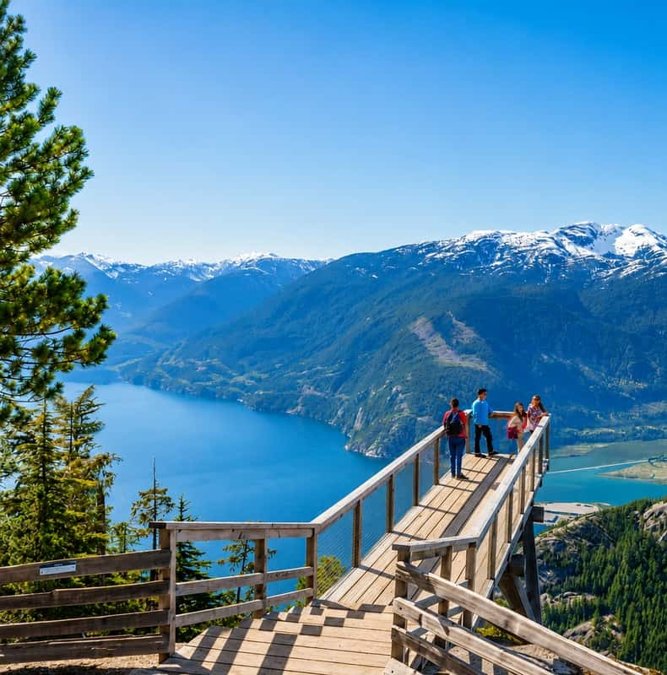
- Sea to Sky Gondola and Squamish. Drive or ride the Sea to Sky Highway for waterfalls, a gondola ride to a high viewing deck, and a good lunch stop in Squamish.
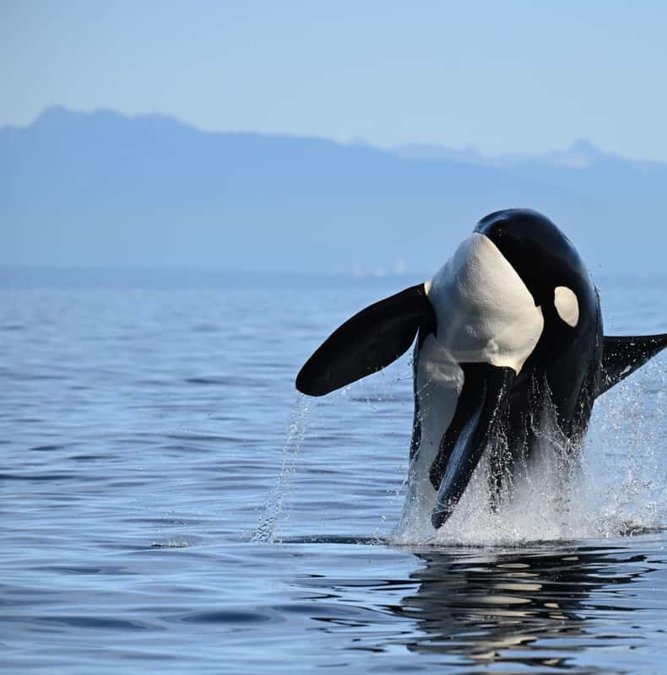
- Whale and wildlife cruises. Boats head into the waters off Vancouver in search of orcas, humpbacks, seals, and eagles. It is one of the most memorable half-days you can spend here.
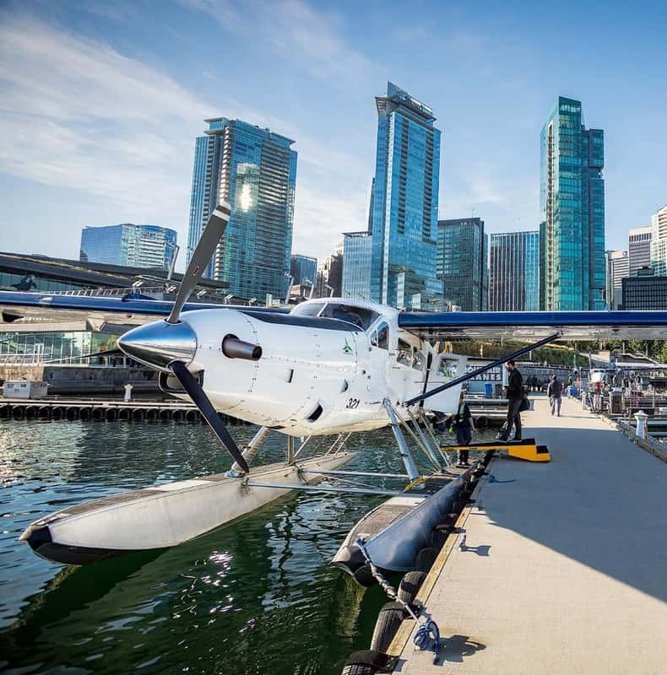
- Seaplane flights. A short scenic flight over the harbor, coast, and mountains shows you just how close everything is.
- Chinatown and Dr. Sun Yat-Sen Classical Chinese Garden. This is one of the oldest Chinatowns in North America, and the garden next door is a calm, beautiful break.
- Queen Elizabeth Park and VanDusen Botanical Garden. Both are lovely for gardens and city views, especially in spring.
- Museum of Anthropology at UBC. It holds a world-class collection of Northwest Coast Indigenous art, and the nearby beaches are a nice add-on.
Places to Put on Your Vancouver Map
- Stanley Park
- Granville Island Public Market
- Capilano Suspension Bridge Park
- Gastown Steam Clock
- Grouse Mountain
- Whistler Village
- Victoria Inner Harbour (BC Ferries day trip)
Best Time to Visit Vancouver Through the Seasons
The best time to visit Vancouver for most people is July through September. Summer days are long, dry, and sunny, and the whole outdoor menu is open. The tradeoff is that this is peak season, so hotels fill up and popular attractions get busy.
Late spring and early fall are the sweet spots if you want fewer crowds. Spring brings cherry blossoms to neighborhood streets and gardens, and September often keeps the clear weather with a bit more breathing room. Whale watching is also strong across the warmer months.
Winter is mild compared with most of Canada, but it is wet. Expect gray skies and frequent rain from roughly late fall through early spring. The upside is skiing and snowboarding on the nearby mountains, cozy restaurants, and lower hotel rates. Pack a real rain jacket in any season outside of midsummer, and you will be fine.
Month by Month in Vancouver
July through September offer dry sunny weather, though hotel prices and crowds peak, and June and October are good value
Things to Do on Vancouver Island Beyond the City
Plenty of travelers ask about things to do in Vancouver Island because it is an easy add-on. Despite the name, the island is a separate landmass across the Strait of Georgia, reached by ferry or by air. The classic outing is Victoria, the provincial capital, with its Inner Harbour, grand old buildings, and walkable downtown.
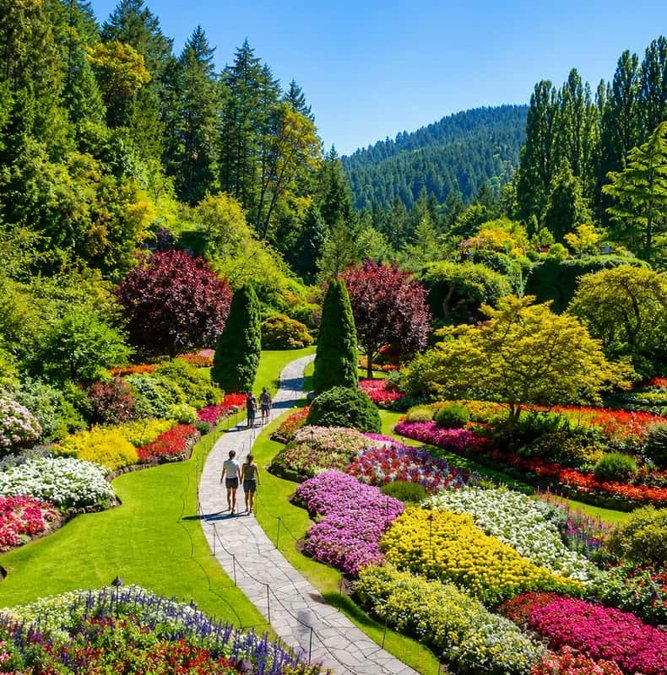
Just outside town, Butchart Gardens is a famous showpiece that draws visitors for its landscaped grounds. On the way, many routes pass through the Gulf Islands, where ferries thread between forested islands and you might spot seals or eagles. Farther up the island you will find surf beaches, old-growth forest, and small coastal towns, but that is a trip of several days.
If you only have a day, a guided Vancouver Island day trip with a Victoria and Butchart Gardens focus handles the ferry logistics so you can just enjoy the scenery.
How Many Days to Spend on a Vancouver Vacation
Three full days covers the highlights well. Four or five lets you add a mountain day and Victoria without rushing. Here is a simple three-day plan.
- Day 1. Spend the morning on the Stanley Park seawall, then wander to English Bay. Head to Granville Island for lunch, and finish with an evening in Gastown.
- Day 2. Take a day on the water or in the mountains. Do a whale watching cruise in the morning, or go up the Sea to Sky Highway toward Squamish and Whistler. Return for dinner in the city.
- Day 3. Visit Chinatown, then Queen Elizabeth Park. Spend the afternoon at Capilano or Grouse Mountain, and end with a sunset at Kitsilano Beach.
If you have extra time, a Victoria day trip is the natural fourth day. Vancouver also pairs nicely with other Canadian cities. Our guides to Toronto and Montreal can help you build a longer trip, and our guide to the best places to visit in Canada shows how it all fits together.
Where to Stay in Vancouver by Neighborhood
Where to stay in Vancouver depends on your style, but the city is compact enough that almost any central base works.
- Downtown and Coal Harbour. Best for first-timers. You are near the seawall, the cruise terminal, SkyTrain stations, shopping, and a huge range of restaurants.
- Gastown and Yaletown. These are more atmospheric, with converted warehouses, lively dining, and a nightlife scene. Both are walkable to downtown sights.
- West End. Residential and leafy, with easy access to English Bay and Stanley Park. It is a good pick if you want a local feel.
- Kitsilano. Beaches, cafes, and a relaxed pace. It works well for summer trips and for travelers who prefer to be away from downtown bustle.
- Richmond and the airport area. Convenient for early flights and known for outstanding Asian food, though it is farther from the main sights.
In summer, book early. The best spots near the waterfront go first.
Getting Around Vancouver Without a Car
You rarely need a rental car in the city. The Canada Line SkyTrain connects the airport to downtown in a straightforward ride, and the broader SkyTrain network, buses, and the SeaBus to North Vancouver cover most destinations. Small passenger ferries also hop across False Creek, which is a fun way to reach Granville Island.
Vancouver is excellent for cycling, with protected bike lanes and the seawall as the backbone. Rentals are easy, and a guided bike or e-bike ride is a relaxed way to see the city and learn the neighborhoods. A car only makes sense for exploring the Sea to Sky corridor or Vancouver Island on your own. Many travelers choose a guided day trip for those instead, so they can skip the driving and the parking.
Americans need a valid passport to enter Canada, so check your documents before booking.
Is Vancouver Safe? Honest Advice for Visitors
Yes, Vancouver is generally safe for visitors, and most travelers have an uneventful trip. Tourist areas like Stanley Park, Gastown, Granville Island, and downtown are busy and well used. The most common problem is property crime, especially car break-ins, so never leave bags or valuables visible in a parked car.
Be aware that the Downtown Eastside, near East Hastings Street, has visible poverty, homelessness, and drug use. You will not be bothered if you stay on the main tourist routes, but it is not a place to wander at night or photograph people. Use normal big-city sense late in the evening, such as sticking to well-lit streets and using a taxi or rideshare if you are tired.
Nature also deserves respect. Mountain weather changes quickly, trails can be steep and wet, and ocean water stays cold even in summer. Check conditions, wear proper shoes, and tell someone your plan if you hike on your own.
Food Worth Trying in Vancouver
Vancouver's food scene is a big reason to visit. With a large Asian community, the city is known for sushi, ramen, and dim sum, and Richmond is a particular standout for the last. Fresh Pacific salmon and seafood are everywhere, from casual fish and chips to polished dining rooms.
Try a Japadog for a local street-food twist, a Nanaimo bar for a classic Canadian sweet, and a pint at one of the many craft breweries. Granville Island Public Market is the easiest place to sample a bit of everything. A Gastown food walk is also a tasty way to combine local history with a few bites.
What to Book Ahead for Your Vancouver Trip
Most of Vancouver is easy to do on a whim, but a few things sell out or run on limited schedules, especially from late spring through early fall. Book these ahead.
- Whale watching cruises and seaplane flights. Departures depend on weather and demand, and summer fills quickly.
- Day trips to Victoria, the Gulf Islands, and Butchart Gardens. These involve ferries and tight timing, so a set plan helps.
- Sea to Sky Gondola and Whistler outings. A guided option removes the driving and parking.
- Walking, food, and bike tours. Gastown food tours, ghost-story walks, and e-bike rides are great for your first day, since they orient you quickly.
You can browse these and more on our Vancouver tours page, then fit them around the free time you want for the seawall, the markets, and a long dinner with a view.