Canada is the second-largest country on Earth, and it's easy to underestimate how much ground that covers. Within one trip you can watch whales off the Pacific coast, stand under a glacier-fed lake in the Rockies, eat your way through a French-speaking walled city, and get soaked at the edge of Niagara Falls. The best places to visit in Canada are spread far apart, so a little planning goes a long way.
This guide covers the things to do in Canada that most Americans actually book, from Vancouver and Toronto to Montreal and Calgary. It also covers when to go, how many days to give it, where to stay, and what to reserve before you leave home.
Ten Canadian Highlights Worth Crossing the Map For
If you're wondering what to do in Canada first, start with this list. Pick two or three regions rather than trying to see everything.
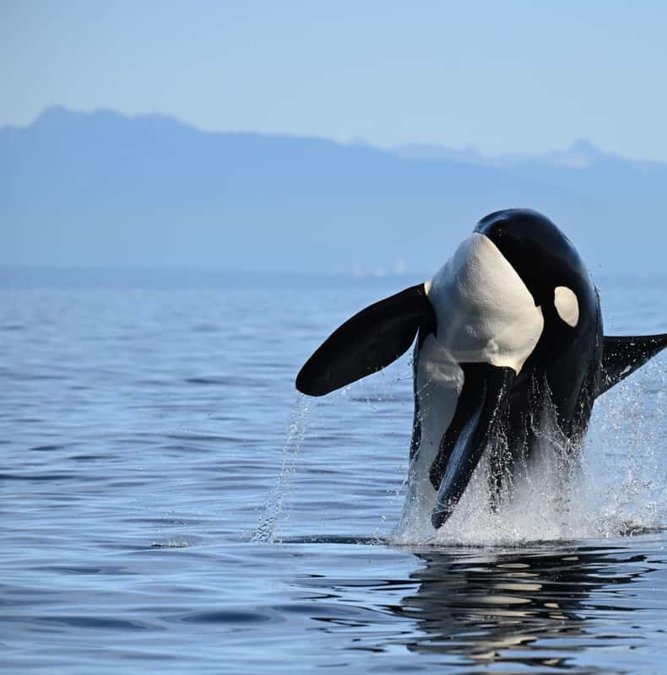
- Vancouver, British Columbia. Bike the Stanley Park seawall, wander Granville Island, and cross the Capilano Suspension Bridge through the rainforest canopy. Whale and wildlife cruises leave from the coast nearby. Our guide to things to do in Vancouver, Canada goes deeper.
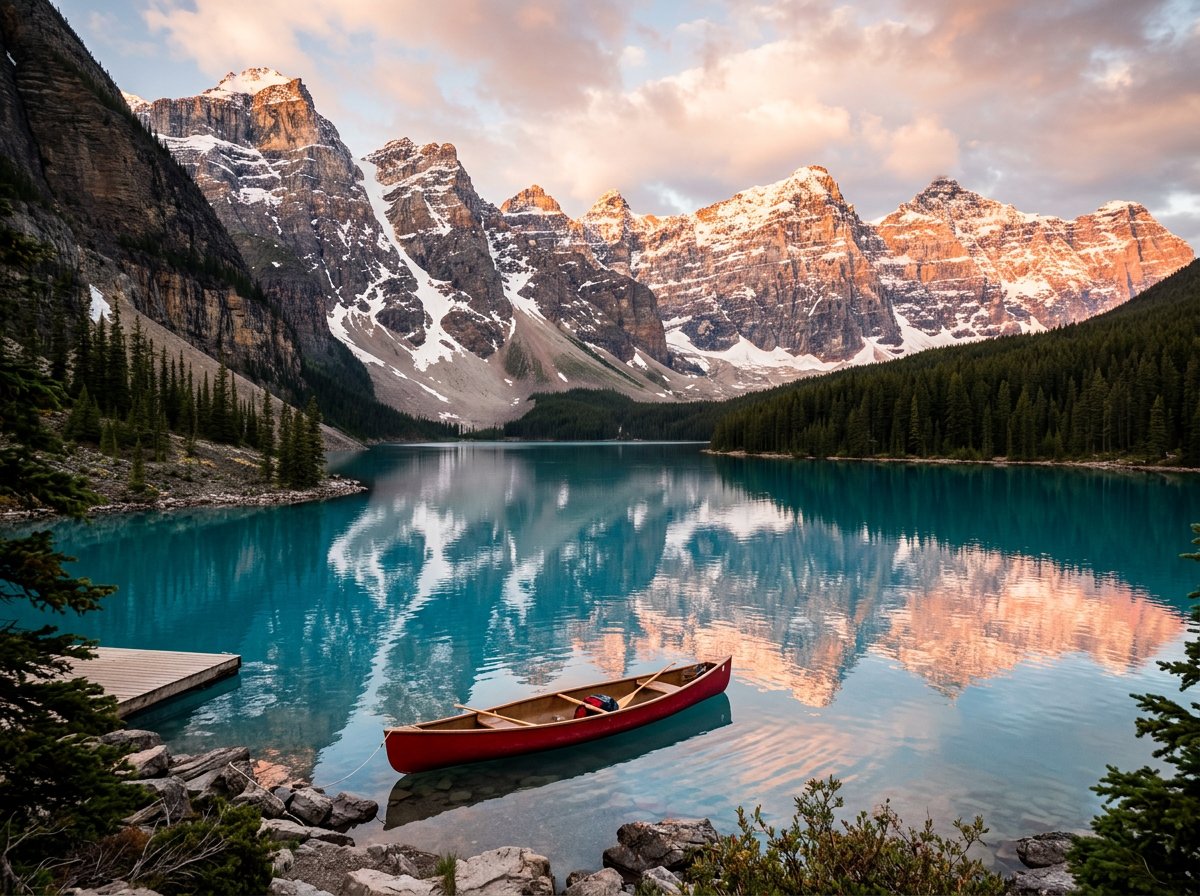
- Banff and Lake Louise, Alberta. Turquoise lakes, jagged peaks, and boardwalks through Johnston Canyon. Moraine Lake and Emerald Lake are the photos you've seen a hundred times, and they're better in person.
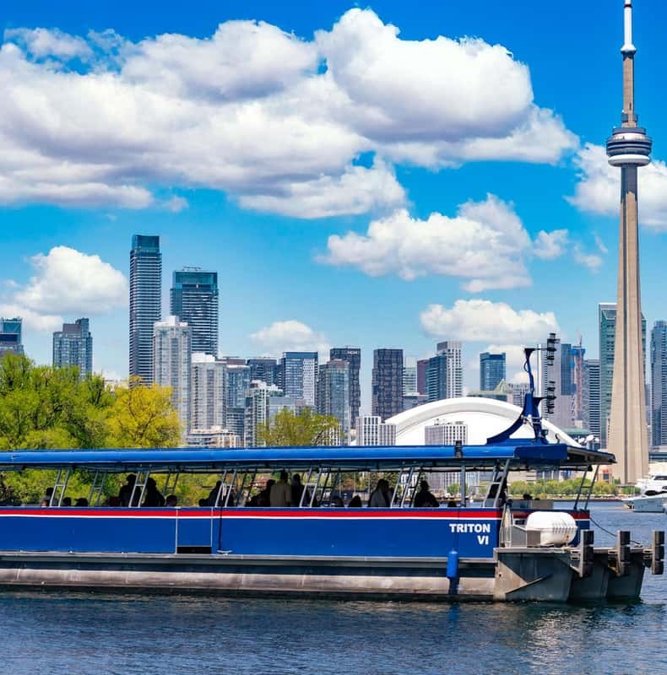
- Toronto, Ontario. Go up the CN Tower, graze through St. Lawrence Market, explore Kensington Market, and take a harbor cruise or the ferry to the Toronto Islands for a skyline view. If you're asking what to do in Toronto, Canada, those are the classics. More in our Toronto guide.
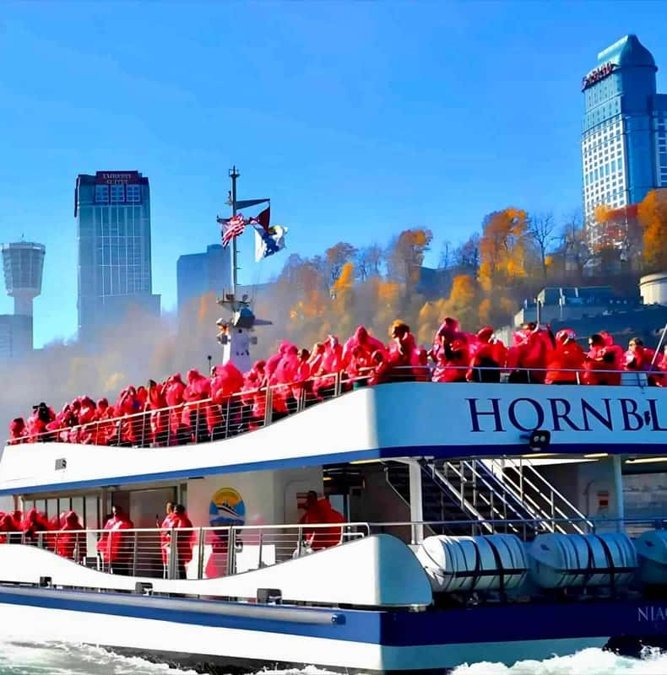
- Niagara Falls, Ontario. Ride the boat into the mist, walk the tunnels behind the Horseshoe Falls, and see the whole thing from a tower. It's an easy day trip from Toronto.
- Montreal, Quebec. Cobblestones in Old Montreal, the interior of Notre-Dame Basilica, a climb up Mount Royal, and a long lunch in the Plateau. Our Montreal guide lists the best things to do in Montreal, Canada.
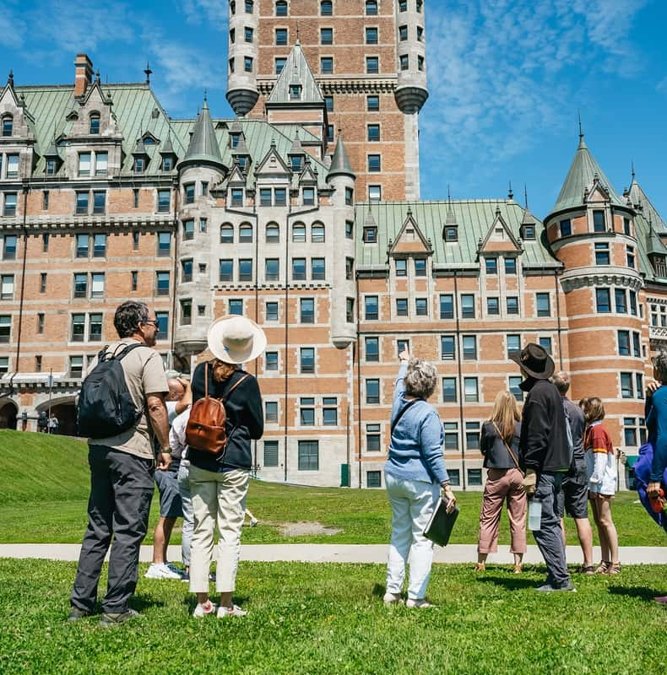
- Quebec City. The only walled city north of Mexico, with the Château Frontenac towering over the St. Lawrence River. Allow time to get lost in the lanes of Petit Champlain.
- Calgary, Alberta. Things to do in Calgary, Canada, include the Calgary Stampede in summer, Heritage Park, Prince's Island Park, and the Calgary Tower. Most people also use it as the gateway to Banff.
- Jasper National Park. Quieter than Banff, with wildlife, dark night skies, and the Icefields Parkway between the two towns, one of the great drives in North America.
- Victoria and Vancouver Island. Flower gardens, the Inner Harbour, and a ferry ride across the Strait of Georgia that feels like part of the trip.
- Nova Scotia. Lighthouses at Peggy's Cove, the Halifax waterfront, and seafood shacks along the coast. It's a good pick for a slower trip.
Best Time to Visit Canada by Season
The best time to visit Canada depends on what you want. Summer (roughly June through August) is peak season for good reason. Days are long and warm, the Rockies are open, and cities hum with festivals and patios. It's also the most crowded and expensive stretch, especially in Banff and Lake Louise, so book early. Some high-elevation spots, including Moraine Lake's surroundings, may not be fully accessible until early summer.
Fall is a favorite of mine. September brings crisp mornings, thinner crowds, and golden larches in the Rockies. Ontario and Quebec put on a major fall color show, which makes Montreal, Quebec City, and Ottawa especially pretty.
Winter is cold, and that's the point for skiers at Banff, Lake Louise, and Whistler, and for anyone who wants snowy Quebec City with a hot chocolate in hand. Toronto and Montreal can be bitterly cold, but museums, markets, and indoor food scenes keep things lively. Spring is the shoulder season, with unpredictable weather, melting snow, and lower prices. Vancouver stays milder than the rest of the country, though it's rainy from late fall through winter.
Month by Month in Canada
Late June through September has the best weather and access, with fall colors a bonus in September.
How Many Days to Spend in Canada, With a Sample Route
Give yourself at least a week for one region and ten to fourteen days if you want two. Flying between regions eats a lot of time, so resist the urge to sample the whole country on one trip.
Here's a ten-day route that works well for first-timers.
- Days 1 to 3, Vancouver. Stanley Park, Granville Island, Capilano, and a wildlife cruise if you're visiting in the warmer months.
- Days 4 to 7, Calgary and the Rockies. Fly to Calgary, then head to Banff. Spend a day at Lake Louise, Moraine Lake, and Emerald Lake, and another walking Johnston Canyon and the town.
- Days 8 to 10, Toronto and Niagara. Fly east, spend a day in the city, and take a day trip to the falls.
Prefer the east? Pair Montreal and Quebec City for five or six days, which is easy by train or car, then add Toronto and Niagara at the end.
Where to Stay in Canada's Major Hubs
Vancouver. Downtown and the West End put you near the seawall and restaurants. Yaletown is polished and walkable. Gastown is historic and good for nightlife.
Banff and Lake Louise. Staying in Banff town gives you restaurants and shuttle options. Lake Louise is smaller and puts you close to the lake early in the morning, before the crowds. Canmore, just outside the park, is often easier on the budget.
Toronto. The Entertainment District and Harbourfront are handy for first visits. Yorkville is upscale, and Queen West or Kensington Market suit travelers who want a neighborhood feel.
Montreal and Quebec City. In Montreal, Old Montreal is atmospheric and the Plateau is more local. In Quebec City, staying inside the walls or in Lower Town means you can walk everywhere.
Calgary. Downtown and the Beltline are convenient, and Kensington is fun for cafes and shops.
Getting Around a Country This Big
Domestic flights are the practical way to link distant regions, such as Vancouver and Toronto. Within regions, you have better options. Toronto and Montreal both have good transit, and walking covers most of Old Montreal and Old Quebec. Vancouver has SkyTrain, buses, and ferries, and it's easy to manage without a car.
The Rockies are different. A rental car is the easiest way to see Banff and Jasper at your own pace, though shuttles and organized day tours work well if you'd rather skip the driving, parking, and mountain roads. Between Montreal, Quebec City, and Toronto, trains and buses are comfortable alternatives to driving. Remember that distances are in kilometers and speed limits are posted accordingly.
Is Canada Safe for American Travelers
Yes, Canada is generally a very safe place to travel, and most visitors have smooth trips. Big cities have the same kinds of issues as anywhere, mainly petty theft and car break-ins, so don't leave bags visible in a parked car, especially at trailheads. Stay aware in busy downtown areas at night, as you would at home.
The bigger risks are natural ones. Weather in the mountains can change fast, so check trail and road conditions, carry layers, and respect wildlife. Bears and elk are real, so keep your distance and follow park guidance. In winter, drive carefully and allow extra time.
On the practical side, bring a valid passport, and check current entry requirements before you go. Tipping works much like in the US, and many places take cards. Travel insurance that covers medical care is a smart idea, since US health plans often don't cover you abroad. In Quebec, you'll hear French everywhere, and a friendly "bonjour" goes a long way, though English is widely spoken in tourist areas.
Canadian Foods Worth Seeking Out
Start with poutine, fries topped with cheese curds and gravy, which is best in Quebec. Montreal is also known for its bagels, which are smaller, denser, and sweeter than New York's, and for smoked meat sandwiches piled high on rye.
Look for maple syrup treats, especially in Quebec and Ontario, and butter tarts, a classic Ontario pastry. On the coasts, order fresh seafood, including Pacific salmon in Vancouver and lobster in Nova Scotia. Vancouver and Toronto also have some of the best Asian food in North America, from dim sum to ramen. Pair it all with local craft beer, ice wine from Niagara, or a Caesar, Canada's tomato-and-clam cocktail.
Canada Bookings Worth Locking In Early
Some things sell out or are much easier with a plan. In summer, reserve Lake Louise, Moraine Lake, and Emerald Lake transport or a guided day tour early, since parking and shuttle access can be tight. Niagara Falls day trips from Toronto, with the boat ride and the walk behind the falls, are popular and usually need advance booking.
Wildlife cruises out of Vancouver, Capilano Suspension Bridge entry, harbor cruises in Toronto, and guided walks in Old Montreal and Old Quebec are all worth locking in, particularly on weekends and during festivals. A guide adds history and context you'd miss on your own, and it saves planning time.
You can browse these and more on our Canada tours page. If you want a simple way to line up the big experiences before you arrive, start with our Canada tours and tickets and leave the rest of your days open for wandering.