Berlin is the kind of city that rewards curiosity. One block you are standing at a chunk of the Wall, the next you are eating a currywurst under an elevated train track, and by evening you are in a leafy beer garden wondering why you ever thought of Germany's capital as grim. This Berlin travel guide covers what to see, when to go, where to sleep, and how to move around once you land.
If you are deciding whether to visit Berlin, here is the honest pitch. It is big, spread out, and a little rough around the edges, and that is exactly the charm. History here is not behind glass. It is in the streets, the bullet-pocked facades, and the open fields where buildings used to be. Come with comfortable shoes and an appetite, and you will do well.
Top Things to Do in Berlin, From the Reichstag to the Wall
The best things to do in Berlin mix heavy history with everyday city life. These ten are the ones most first-time visitors end up loving.
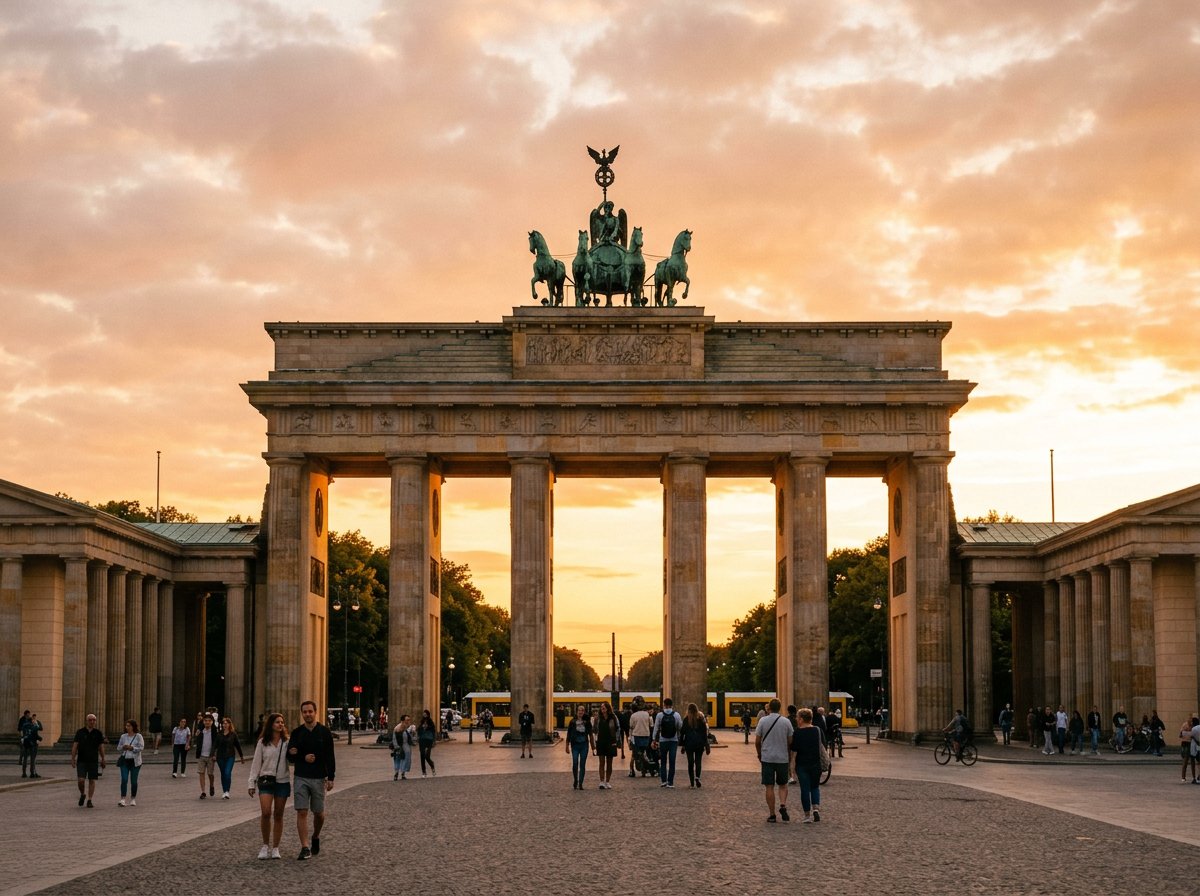
- Brandenburg Gate. Berlin's defining landmark is worth a visit in the morning, before the crowds, and again lit up at dusk.
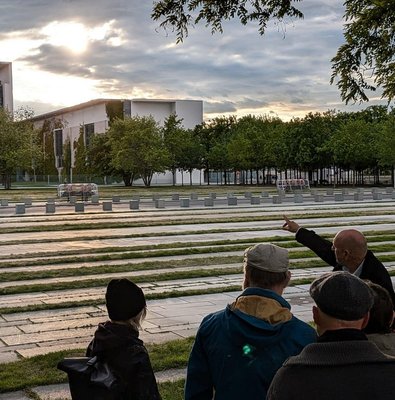
- The Reichstag and its glass dome. The walk up the spiral ramp gives you a great view over the government district. You need to register ahead of time, so plan for it.
- Memorial to the Murdered Jews of Europe. Its field of gray concrete slabs is quiet and powerful. Walk all the way into the middle.
- Berlin Wall Memorial on Bernauer Strasse. This is the best place to understand how the border actually worked, with preserved sections and a viewing platform.
- East Side Gallery. A long stretch of the Wall covered in murals, easy to pair with a walk along the Spree.
- Museum Island. A cluster of world-class museums on a river island, including the Neues Museum, home of the Nefertiti bust.
- Topography of Terror. Built on the site of the former Gestapo headquarters, this free-flowing exhibit explains how the Nazi state operated.
- Tiergarten. The city's big central park is perfect for a bike ride, a picnic, or simply recovering from sightseeing.
- Charlottenburg Palace. A graceful baroque palace in the western part of town that shows a more royal side of Berlin.
- Tempelhof Field. A former airport turned public park, where locals bike, skate, and barbecue on the old runways.
Day trips matter too. Potsdam and its palaces are close, and the Sachsenhausen memorial is a sobering but important outing.

Places to Put on Your Berlin Map
- Brandenburg Gate
- Reichstag Building
- Museum Island
- East Side Gallery
- Charlottenburg Palace
- Sanssouci Palace (Potsdam)
- Sachsenhausen Memorial
Best Time to Visit Berlin Through the Seasons
The best time to visit Berlin for most people is late spring through early fall. May and June bring long daylight, blooming parks, and patio season. July and August are warm and lively, with occasional hot spells, and Berliners practically live outdoors on the lakes and in the beer gardens. Crowds are heavier at the big landmarks, but the city is large enough to absorb them.
September and early October are a sweet spot. The weather is usually mild, the light is golden, and the summer rush eases. Late fall turns gray and damp, though museums and cafes feel extra cozy.
Winter is cold and often overcast, with short days, but it has its own appeal. Christmas markets pop up across the city in December, and hotels can be easier to book outside the holiday weeks. Pack layers either way. Berlin weather can swing in a single afternoon, and a light rain jacket is useful in any month.
Month by Month in Berlin
Late spring and early fall offer mild weather, long days, and manageable crowds and prices
How Many Days in Berlin You Really Need
Three full days is the sweet spot for a first visit, and four lets you slow down or add a day trip. Two days will work if you stick to the headline sights, but you will be rushing. Berlin is wide, and travel between neighborhoods takes time.
- Day one, Historic Center. Start at the Brandenburg Gate, pass the Holocaust memorial, then tour the Reichstag and government district. Spend the afternoon on Museum Island and finish with dinner in Mitte.
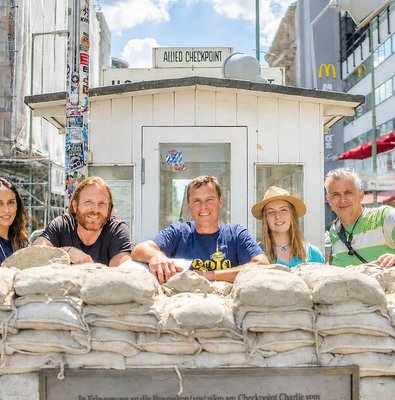
- Day two, Wall and Cold War Berlin. Head to Bernauer Strasse in the morning, then Checkpoint Charlie and the Topography of Terror. Wrap up at the East Side Gallery and spend the evening in Friedrichshain or Kreuzberg.
- Day three, Neighborhoods and Green Space. Bike through Tiergarten, wander Charlottenburg, or browse the flea markets and cafes of Prenzlauer Berg.
- Day four, Day Trip. Choose between Potsdam's palaces and gardens or the Sachsenhausen memorial.
If you are building a bigger trip, this city pairs well with other stops covered in our guide to things to do in Germany.
Where to Stay in Berlin by Neighborhood
Berlin has no single center, so where to stay in Berlin depends on your style. Public transit is good enough that you will not be stranded anywhere, but the right base saves time.
- Mitte. The most convenient choice for first-timers, with the major sights, Museum Island, and plenty of restaurants close by. It can feel a bit polished and touristy.
- Prenzlauer Berg. Tree-lined streets, bakeries, and relaxed cafes. It suits couples and families who want a calmer evening.
- Kreuzberg. Energetic, diverse, and full of great food, bars, and street art. Expect more noise at night.
- Friedrichshain. A younger, nightlife-minded area near the East Side Gallery with a lively bar scene.
- Charlottenburg. Classic, elegant, and a bit quieter, with department stores, the palace, and easy rail connections.
Stay near a U-Bahn or S-Bahn station and you will be fine in any of them. Central Station, the Hauptbahnhof, is also a handy anchor if you are arriving by train.

Getting Around Berlin on U-Bahn, S-Bahn, and Bike
Berlin's public transport network is excellent. The U-Bahn is the underground subway, the S-Bahn is the faster surface and elevated rail, and trams and buses fill in the gaps, especially in the former East. One ticket system covers all of it, and you should always make sure your ticket is valid before you ride. Inspectors do check, and they are not sympathetic to tourists who say they did not know.
The airport sits southeast of the city and connects by regional and S-Bahn trains, so you rarely need a taxi. For short trips, walking is pleasant, and cycling is easy thanks to dedicated bike lanes and flat terrain. Many visitors find a guided ride is the quickest way to take in the sights, and a bike tour of the highlights covers a lot of ground without the planning.
Is Berlin Safe? Practical Street Smarts
Yes, Berlin is generally safe for visitors, and most trips are completely uneventful. Violent crime against tourists is uncommon, and you can walk around at night in most central areas without much concern. Like any major city, it has its rough spots, and a few habits help.
- Watch your phone and wallet in crowded places, such as around Alexanderplatz, on busy trains, and at the big tourist sites. Pickpocketing is the most common issue.
- Be extra alert around major stations late at night, where things can feel sketchy.
- Do not play street games like the shell game. They are scams.
- Carry some cash. Plenty of small restaurants and bars still do not accept cards.
- Look both ways for bikes. Bike lanes run along the sidewalks, and cyclists do not slow down.
Use the same common sense you would in any big American city, and you will be fine. Berliners themselves are famously direct, which can seem brusque but is rarely unfriendly.
Berlin Food Worth Seeking Out
Berlin eating is casual, hearty, and gloriously multicultural. Start with currywurst, a sliced sausage under curry-spiced ketchup, best eaten standing up at a street stand. Then try a doner kebab. Berlin has a strong claim to its modern popularity, and a good one is a full meal in flatbread.
For something more traditional, look for Königsberger Klopse (meatballs in a creamy caper sauce), Eisbein (pork knuckle), and potato pancakes with applesauce. Bakeries sell jelly-filled doughnuts that Berliners call Pfannkuchen, which is not what you would expect from the name. Wash it all down with a local pilsner, or try a Berliner Weisse, a tart wheat beer often served with a splash of fruit syrup. Markets and beer gardens are the easiest places to sample a bit of everything.
What to Book Ahead Before You Visit Berlin
Berlin is easy to wing, but a few things go better with planning. Reichstag dome visits require advance registration, and a guided tour of the Reichstag, dome, and government district adds helpful context that you will not get from signs alone. Peak summer weekends and holiday periods call for earlier planning too.
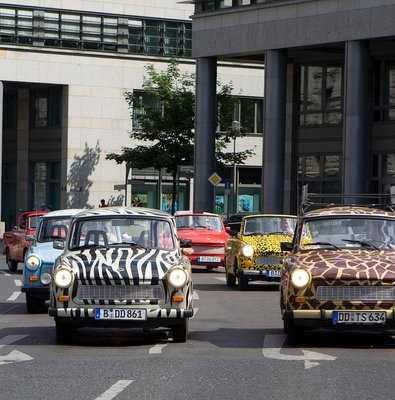
History is where a guide pays off most. A walking tour that covers the Third Reich and Cold War eras turns scattered sites into a coherent story, and a general walking tour is a great first-day orientation. If you want a lighter angle, travelers also enjoy a quirky Trabi ride through East Berlin, a boat trip past the landmarks along the Spree, and walking routes that mix icons with hidden courtyards. A full-day trip to Sachsenhausen and Potsdam is easiest with transport and a guide arranged for you.
You can browse the full lineup on our Berlin tours page and pick what fits your pace. If Berlin is part of a longer German journey, our guides to Munich and Hamburg make good next steps. For a head start on the big sights, consider booking a guided Berlin tour for your first morning.