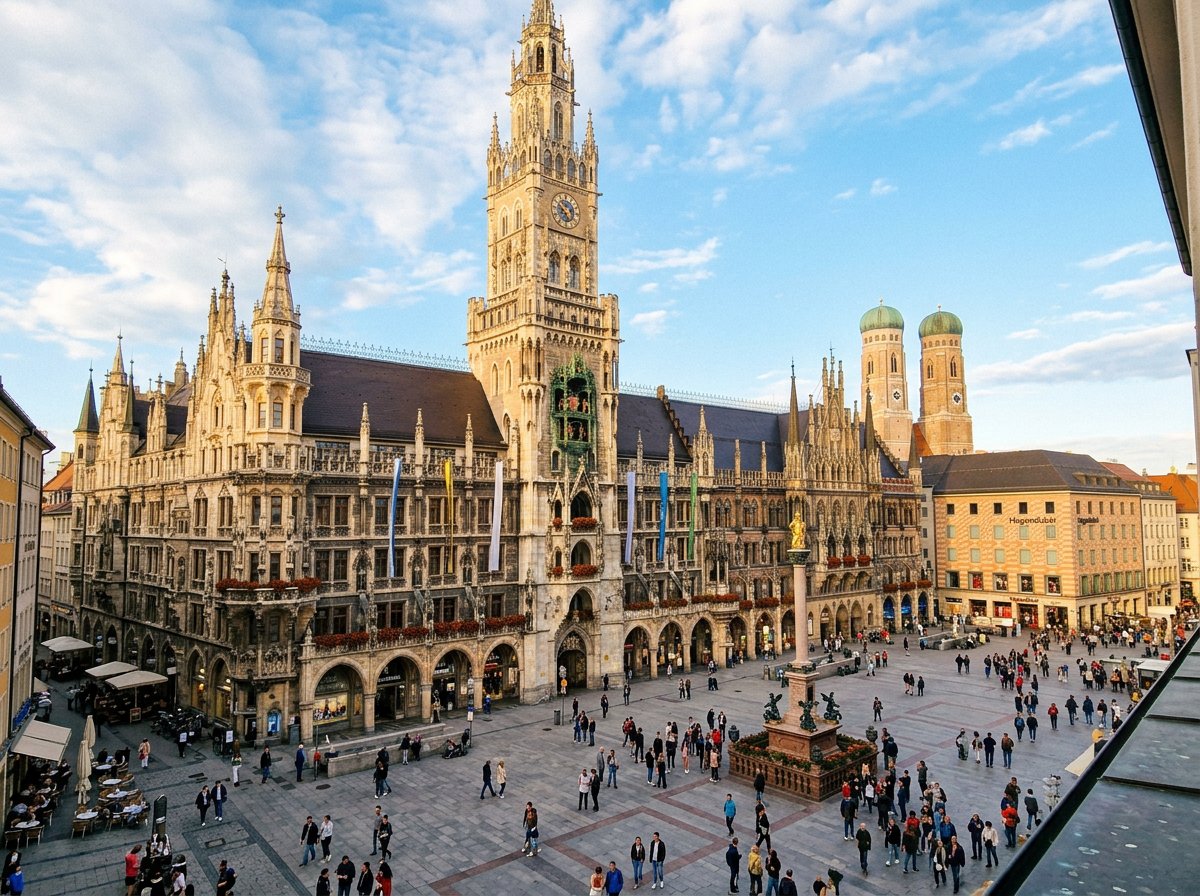
Munich is the Germany many Americans picture before they ever book a flight. There are beer halls with long wooden tables, onion-domed churches, men in lederhosen on the U-Bahn, and the Alps sitting on the southern horizon. It's also a polished, walkable, well-run city with serious art museums, huge green spaces, and some of the most important modern history in Europe.
This guide covers the top things to do in Munich, when to go, how many days to plan, where to stay, and whether the city is safe. If you'd rather have a guide handle the logistics, our Munich tours and day trips cover the highlights.
Top Things to Do in Munich From Marienplatz to the Beer Halls
Most of the best things to do in Munich cluster in or near the compact Altstadt, so you can see a lot on foot. These are the places to visit in Munich that first-timers rarely regret.
- Marienplatz and the Neues Rathaus. The main square is the city's living room. Watch the Glockenspiel chime on the neo-Gothic town hall, then climb the tower for rooftop views.
- Frauenkirche. The twin domed towers are the skyline's signature. The brick interior is plain and calm, a nice contrast to the busy streets outside.
- Viktualienmarkt. This open-air food market is perfect for a snack lunch, with cheese, sausages, fruit, and a shaded beer garden in the middle.
- Residenz. The former palace of Bavaria's rulers is a maze of ornate courtyards, halls, and a treasury that shows how much money the Wittelsbachs had.
- English Garden. One of the largest urban parks in Europe. Walk to the Eisbach wave, where locals surf in the middle of the city, then settle in at a beer garden.
- Hofbräuhaus and the traditional beer halls. Touristy, loud, and still fun. Go for the oompah band and a liter, then try a quieter hall for comparison.
- Nymphenburg Palace. The baroque summer residence has formal gardens and canals, and it makes an easy half-day outside the center.
- Deutsches Museum. A giant science and technology museum, great for families and anyone who likes engines, aircraft, and mining tunnels.
- Third Reich history and Dachau. Munich was central to the rise of the Nazi party. A guided walk through the city, or a visit to the Dachau Memorial Site, adds essential context.
- Olympiapark, BMW Welt, and Allianz Arena. For architecture, cars, and soccer fans, this northern side of town delivers, and a city bus tour links it up easily.
- Neuschwanstein and Linderhof. King Ludwig II's fairy-tale castles are the most popular day trip from the city, and the Bavarian countryside along the way is a highlight.
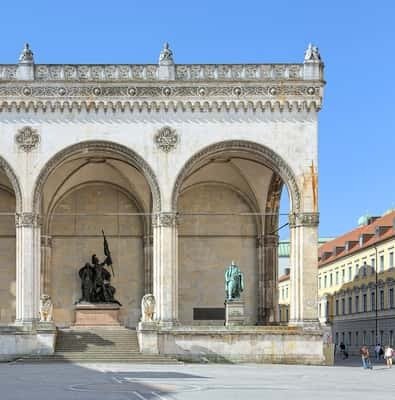

Places to Put on Your Munich Map
- Marienplatz and Neues Rathaus
- Englischer Garten
- Nymphenburg Palace
- Residenz München
- Deutsches Museum
- Neuschwanstein Castle
- Dachau Memorial Site
Best Time to Visit Munich Through Bavaria's Seasons
The best time to visit Munich depends on what you want. Late spring and early fall are the sweet spot. Days are mild, beer gardens are open, and the light is lovely for walking. Summer is warm and lively, with long evenings in the English Garden, though it can get hot and the castles are busy. Thunderstorms roll through now and then.
Oktoberfest runs from late September into early October. It's a blast, but hotels fill up early and rates climb, so book well ahead or choose another season if crowds aren't your thing. December brings Christmas markets, mulled wine, and a cozy glow around Marienplatz. Winter in general is cold, often gray, and sometimes snowy. That's fine for museums and beer halls, and it's the cheapest time to find a room. Bring layers any time of year, since the weather near the Alps can change quickly.
Month by Month in Munich
Late September to early October brings mild weather and Oktoberfest, while May to August suits sunny beer garden days
How Many Days to Spend in Munich With a Sample Itinerary
Three days is a comfortable first visit. Two works if you're quick, and four or five lets you add a major day trip without rushing.
- Day 1, Old Town. Start at Marienplatz, see the Glockenspiel, visit Frauenkirche, graze at Viktualienmarkt, tour the Residenz, and finish with dinner in a traditional beer hall. A guided Munich Old Town walking tour is a smart way to start because it gives you the stories behind the sights.
- Day 2, Castles or Salzburg. Take a full-day trip to Neuschwanstein and Linderhof, or go to Salzburg by train for Mozart, hilltop views, and baroque streets.
- Day 3, Parks and museums. Spend the morning in the English Garden and the afternoon at the Deutsches Museum or one of the art museums in Maxvorstadt. Add Nymphenburg if you have energy.
- Bonus day. Visit Dachau, tour Olympiapark and Allianz Arena, or take a beer-focused walking tour.
Planning a longer trip? Our Germany travel guide can help you decide where to go next.
Where to Stay in Munich by Neighborhood
If you're wondering where to stay in Munich, the answer is almost always somewhere central with good transit.
- Altstadt. Best for first-timers who want to walk everywhere. It's the most convenient and the priciest area, and it's quiet at night.
- Near the Hauptbahnhof. Practical for train and airport connections, with plenty of hotels. The streets immediately around the station are a bit gritty, but it's well connected and fine for most travelers.
- Maxvorstadt. A leafy, student-friendly area near the major art museums. Good cafes and a relaxed feel.
- Glockenbachviertel. Trendy, with great restaurants, bars, and boutiques. A good pick for nightlife and a more local vibe.
- Haidhausen. Charming, village-like streets across the Isar, with an easy connection to the center. Good for couples and longer stays.
- Schwabing. Elegant and residential, close to the English Garden. A calm option.

Getting Around Munich on the U-Bahn, S-Bahn, and Foot
Munich is easy to navigate. The Altstadt is largely pedestrian, and the U-Bahn, S-Bahn, trams, and buses cover everything else. Most visitors never need a car. The S-Bahn connects the airport to the center in a bit under an hour, and the main train station is a hub for Salzburg, Nuremberg, and the Alpine towns.
Buy your ticket before boarding and validate it if the machine requires it. Inspectors do check, and fines are no fun. Rent a bike if the weather is good, since the city has plenty of dedicated lanes. Keep in mind that most shops close on Sundays, so plan for parks, museums, and restaurants instead.
Is Munich Safe for American Travelers
Yes. Munich is generally regarded as one of the safer big cities in Europe, and violent crime against tourists is uncommon. The main issue is petty theft. Pickpockets work crowded places like the Hauptbahnhof, Marienplatz, beer tents, and busy trains, so keep your phone and wallet in a front pocket or zipped bag.
Use ordinary city sense. Stay aware around the station late at night, and don't leave bags unattended in beer gardens. At Oktoberfest, pace your drinking, because those liters are stronger than they look. Pedestrians and cyclists take the bike lanes seriously, so look before you step off a curb. Tap water is excellent, and emergency services are reliable. Most travelers find Munich comfortable, including solo visitors and women traveling alone.
Bavarian Food and Drink Worth Seeking Out
Come hungry. Classic Munich dishes include Weißwurst, the white veal sausage traditionally eaten in the morning with sweet mustard and a pretzel, and Schweinshaxe, crispy roast pork knuckle. Try Schnitzel, Käsespätzle (Bavarian mac and cheese with crispy onions), Obatzda (a seasoned cheese spread), and Leberkäse in a roll. For dessert, look for Apfelstrudel or a warm Germknödel in winter.
The beer is a lesson in itself. A Helles is the everyday lager, a Weißbier is cloudy and fruity, and a Radler mixes beer with lemonade for a lighter drink. Many beer gardens let you bring your own picnic as long as you buy drinks there. A guided beer hall and brewery tour is a good way to learn the differences without guessing.
What to Book Ahead in Munich
Some experiences sell out, especially in summer and around Oktoberfest. The castle day trip is the biggest one, since Neuschwanstein is crowded and a guided trip handles the transport and timing. A Salzburg trip by train, a Third Reich and WWII walking tour, and a Dachau visit also benefit from reserving early.
Beyond the big hitters, a local-led walk adds a lot. Options include old town history, beer halls and breweries, or the darker side of the city's past with witches and executioners. You can browse and reserve all of these on our Munich tours page. If you're building a bigger trip, compare Munich's Bavarian charm with the grit of Berlin or the harbor energy of Hamburg.