Hamburg is a port city built on water. Canals run between brick warehouses, ferries cross the Elbe like city buses, and two big lakes sit right in the middle of downtown. It is bigger and more relaxed than most first-timers expect, and it gets far fewer crowds than Berlin or Munich.
This guide covers the things to do in Hamburg that are actually worth your time, when to go, where to sleep, and how to move around. It also answers the safety question honestly and flags what is smart to book before you land.
Top Things to Do in Hamburg, From Speicherstadt to the Elbphilharmonie
Start with the water, because everything in Hamburg connects back to it. Here are the stops most visitors rank highest.
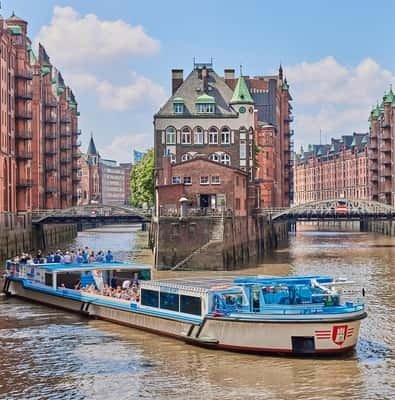
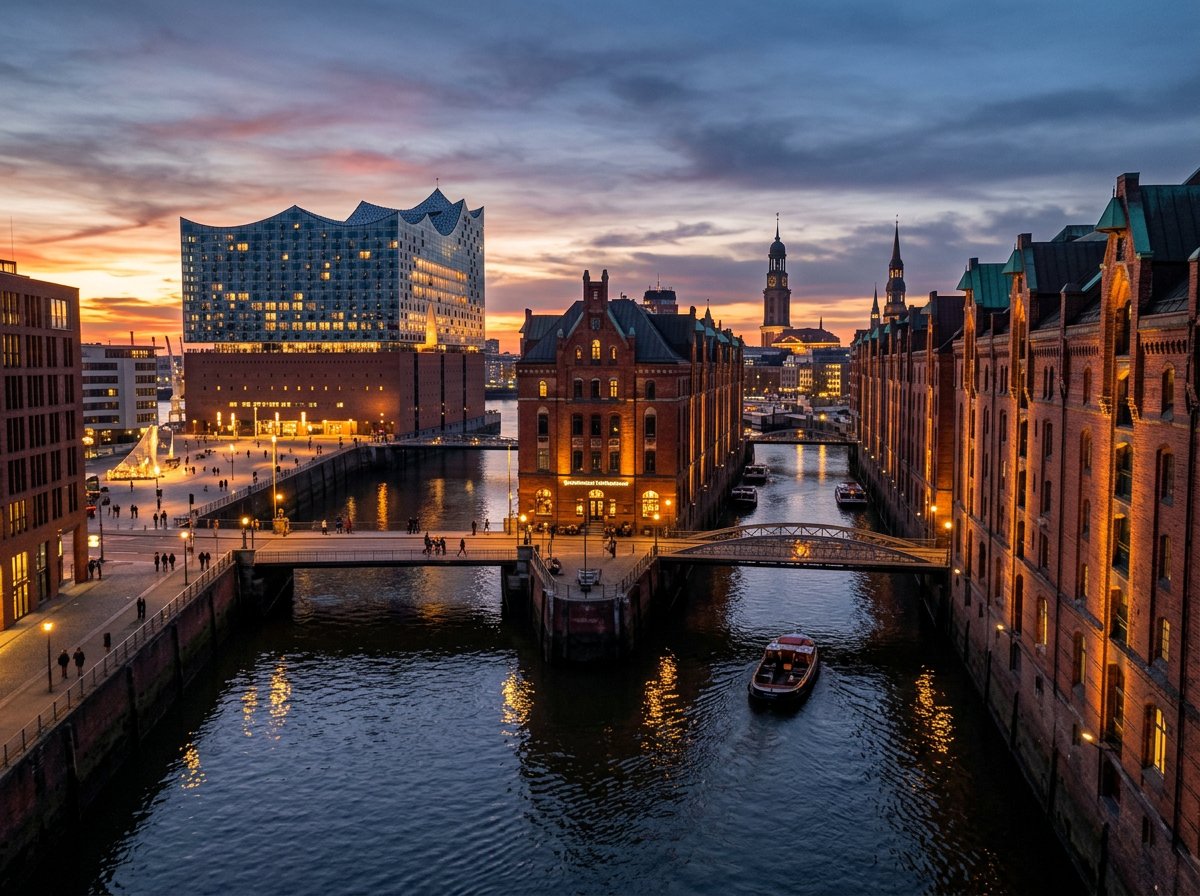
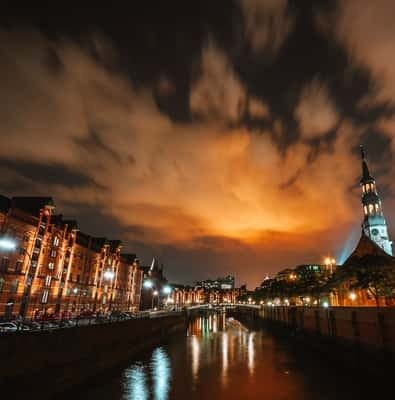
- Speicherstadt. The world's largest warehouse district sits on timber piles along narrow canals. The red-brick Gothic buildings look best in the late afternoon and again when lit after dark.
- HafenCity. Next door, this newer waterfront district shows off bold modern architecture, riverside promenades, and plenty of places to stop for coffee.
- Elbphilharmonie Plaza. The concert hall rises from an old warehouse like a glass wave. Even without a concert, the public plaza gives you a wide view over the harbor.
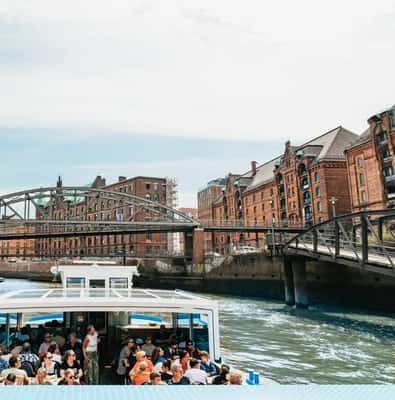
- A harbor cruise. Seeing container giants, dry docks, and cranes from a boat is the classic Hamburg experience. Bigger boats cover the port in depth, while smaller barges squeeze through the canals.
- Miniatur Wunderland. This enormous model railway world is a hit with adults as much as kids. Give it a good chunk of a day.
- St. Michaelis Church. Locals call it the Michel. Climb the tower for rooftop and river views.
- Old Elbe Tunnel. Take the big lifts down and walk under the river. It is a charming bit of early engineering, and the far bank gives you the best skyline photo in town.
- Binnenalster and Außenalster. Walk the Jungfernstieg promenade, or rent a paddleboat or take a small ferry on the larger lake.
- Landungsbrücken and the museum ships. The old piers are the main harbor hub. Rickmer Rickmers and Cap San Diego are historic ships you can wander aboard.
- Blankenese. This hillside former fishing village has staircase lanes, villas, and Elbe beaches. It is a calm break from the center.
Places to Put on Your Hamburg Map
- Elbphilharmonie
- Speicherstadt
- Miniatur Wunderland
- St. Michael's Church (Michel)
- Reeperbahn
- Hamburg Rathaus
- Lübeck Holstentor
Unique Things to Do in Hamburg, Plus Nights Out and Ideas for Young Adults
If you want unique things to do in Hamburg, skip the checklist for an afternoon. Ride an amphibious bus that drives through the streets and then splashes into the water. Take a themed walking tour built around magic and storytelling. Or take a guided bike ride through parks, canals, and neighborhoods that the main sights miss.
For things to do in Hamburg at night, the harbor and the Reeperbahn are the two big draws. An evening harbor cruise shows the warehouses and cranes glowing against a darkening sky, which is a gentler way to start the night. Then head to St. Pauli. The Reeperbahn is famous for music clubs, bars, theaters, and a loud, unapologetic nightlife culture. It is also where the Beatles cut their teeth in the early 1960s. A guided insider walk is a great way to learn the stories and to find your footing before heading out on your own.
Things to do in Hamburg for young adults tend to cluster in a few spots. The Schanzenviertel and Karolinenviertel have independent bars, street art, vintage shops, and casual food. Ottensen is more laid back, with cafes and courtyards. On a Sunday morning, the early fish market on the waterfront is a local ritual that mixes die-hard partygoers with early risers. Summer evenings on the Elbe beaches are free and easy.
Month by Month in Hamburg
Late spring through summer offers mild weather, long days and lively festivals, with September a good value shoulder
Best Time to Visit Hamburg Germany Through the Seasons
The best time to visit Hamburg, Germany is usually late spring through early fall. Days are long, outdoor terraces fill up, and boat trips are at their best. Summer is mild to warm rather than hot, though a rain shower can show up at any moment. The coast shapes the weather, so pack a light waterproof layer in every season.
May and June are a sweet spot, with greenery in the parks and fewer crowds than July and August. September is often calm and pleasant. Spring and fall can be breezy, gray, and damp, but the city has plenty of indoor options.
Things to do in Hamburg in December are mostly about Christmas markets. The Rathausmarkt and other squares fill with lights, mulled wine, and food stalls, and the harbor takes on a cozy winter glow. Expect cold, damp days with early darkness. Dress in layers and plan indoor stops like museums and concert halls. Winter is also the quietest time for sightseeing, so you will have the main sights fairly to yourself.
How Many Days to Spend in Hamburg
Two full days covers the highlights. Three lets you slow down and see more neighborhoods. Here is a sample plan.
- Day one. Spend the morning in Speicherstadt and HafenCity, then walk to the Elbphilharmonie Plaza. After lunch, take a harbor cruise. Finish with dinner near the Landungsbrücken.
- Day two. Visit St. Michaelis in the morning, then go to Miniatur Wunderland or the museum ships. Spend the late afternoon around the Alster lakes. Head to St. Pauli in the evening.
- Day three. Take a bike tour or an amphibious bus ride, then explore the Schanzenviertel or Ottensen. If the weather is good, end the day in Blankenese.
Hamburg also pairs easily with other German cities by train. If you are building a bigger trip, our guide to things to do in Germany helps you decide what comes next.

Where to Stay in Hamburg by Neighborhood
Where to stay in Hamburg depends on what kind of trip you want, since the city is spread out but well connected.
- Altstadt and Neustadt. The most central choice. You are near the Rathaus, shopping streets, and the Alster, with easy transit everywhere.
- HafenCity. Modern, quiet, and right by the waterfront and Elbphilharmonie. It is great for first-timers who want harbor views, though it feels less lively at night.
- St. Pauli. Best for nightlife and a short walk to the harbor. It is loud on weekends, so ask for a room away from the street.
- Sternschanze and Karolinenviertel. Trendy, creative, and packed with restaurants and bars. It is a favorite with younger travelers.
- Ottensen. Relaxed and village-like, with cafes and good local shops. A smart pick for a longer stay.
- St. Georg. Convenient near the main train station and the Alster, with a diverse food scene. The blocks right around the station can feel rough, so choose your exact street with care.
Getting Around Hamburg by Ferry, U-Bahn, and Foot
The city runs on an integrated network of U-Bahn, S-Bahn, buses, and harbor ferries, all under one ticketing system. The airport has a direct rail link into the center, and the main station is a major national hub.
The harbor ferries are a highlight. They are regular public transit, so you can cross the Elbe with the locals and get a budget-friendly mini cruise. The central districts are very walkable, and cycling is common, with bike lanes throughout. You rarely need a car in Hamburg, and parking in the center is a hassle.
Is Hamburg Germany Safe? What to Know Before You Go
Yes, Hamburg is generally a safe city for visitors. Violent crime against tourists is uncommon, and most people walk around comfortably day and night. Standard big-city habits are enough.
Pickpockets work crowded places like the Reeperbahn, busy trains, and markets, so keep your phone and wallet in a front pocket or zipped bag. The area around the main train station and parts of St. Georg can feel gritty late at night. The Reeperbahn gets rowdy on weekend nights, mostly with drunk crowds, so stay aware and avoid arguments. Hamburg's transit is reliable late, and licensed taxis are easy to find.
Practical tips help too. Carry a little cash, because some small places still prefer it. Bring a rain jacket in any season. Tipping is modest, usually rounding up or adding a small amount.
Food Worth Trying in Hamburg
Hamburg eats like a port city. The classic quick bite is a Fischbrötchen, a roll with pickled herring, smoked salmon, or shrimp. For something heartier, try Labskaus, a sailors' dish of corned beef, potato, and beet, often topped with a fried egg. Aalsuppe is a traditional sweet-and-sour soup. Currywurst is easy to find, and Franzbrötchen, a cinnamon pastry, is a local bakery favorite. For dessert, look for Rote Grütze, a red berry pudding served with cream or vanilla sauce. The harbor and Schanzenviertel both reward wandering without a plan.
What to Book Ahead for Hamburg
Hamburg is easy to improvise, but a few things are worth lining up early. Harbor cruises, especially evening departures in summer and December, fill up. Guided walks of Speicherstadt and HafenCity add useful context to the architecture and trading history. Reeperbahn tours, bike rides, and amphibious bus trips are popular with first-timers as well.
You can browse Hamburg tours and experiences to match your dates and interests, from daytime harbor sailings to evening lights. If you are comparing destinations, our guides to Berlin and Munich make good next stops. If you want a harbor-view start to your trip, check the Hamburg tours page early, before the best slots are gone.