Germany rewards travelers who like variety. In a single trip you can walk past Cold War history in Berlin, drink beer under chestnut trees in Bavaria, and watch Rhine castles slide by from a train window. The country is compact, the trains are good, and every region has its own food, accent, and attitude.
This guide covers the best places to visit in Germany, when to go, how many days to plan, where to base yourself, and what is worth reserving before you leave home. It is written for first-timers, but repeat visitors will find a few ideas too.
Best Places to Visit in Germany for a First Trip
If you are building a list of things to do in Germany, start with these. Most are easy to link by train.
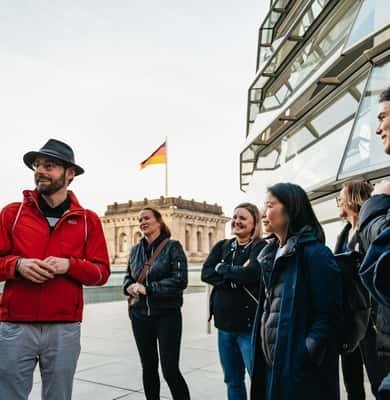
- Berlin. The Brandenburg Gate, the Reichstag dome, the East Side Gallery, and Museum Island make a full introduction to the city. There is far more to do in Berlin, Germany, than one visit allows.
- Munich. Marienplatz, Viktualienmarket, the English Garden, and a proper beer hall lunch cover the classics. Our Munich guide goes deeper on the city.
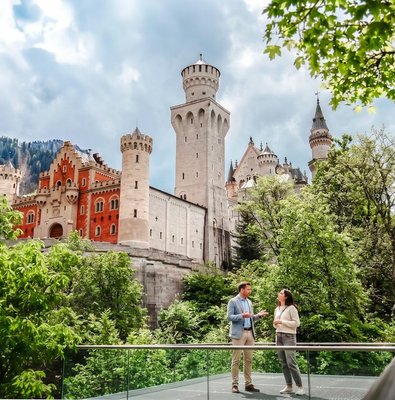
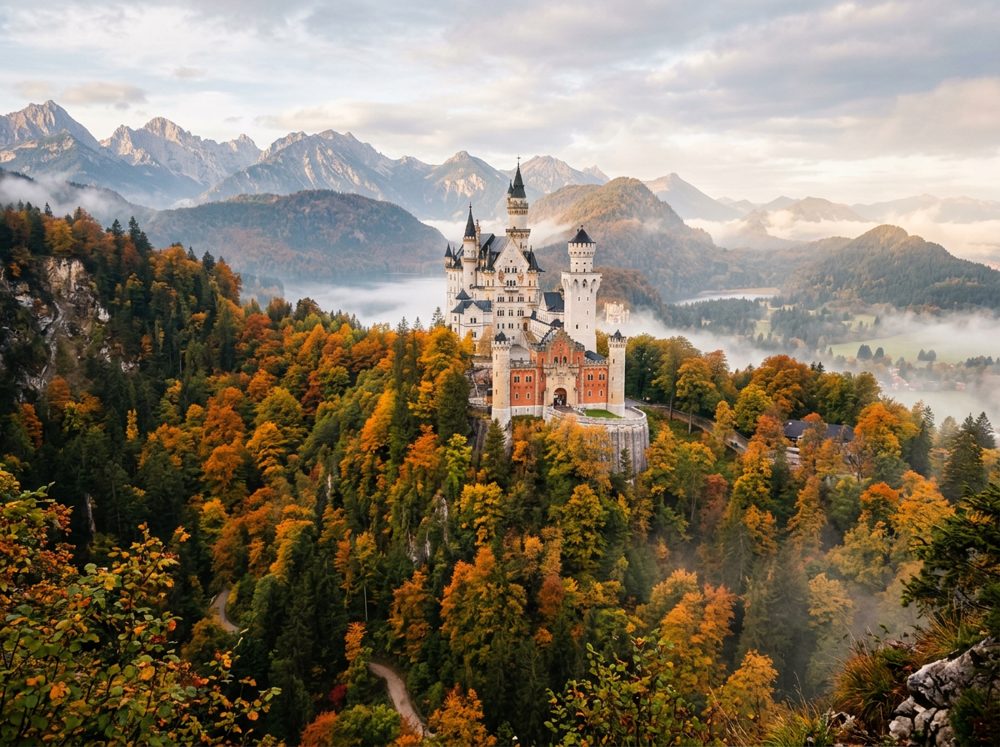
- Neuschwanstein Castle. The fairy-tale castle near Füssen is the postcard image of Bavaria, and Linderhof is a quieter, ornate companion stop nearby.
- Cologne. The Gothic cathedral sits right beside the main station. Things to do in Cologne, Germany, also include wandering the old town along the Rhine, climbing the cathedral tower, and settling in at a brewhouse for a Kölsch.
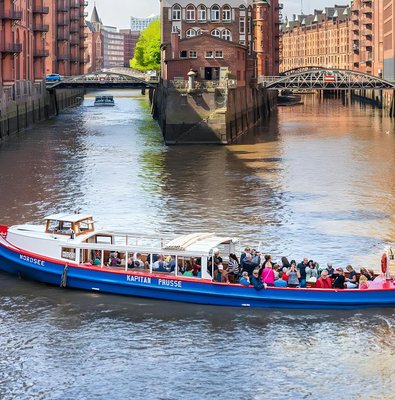
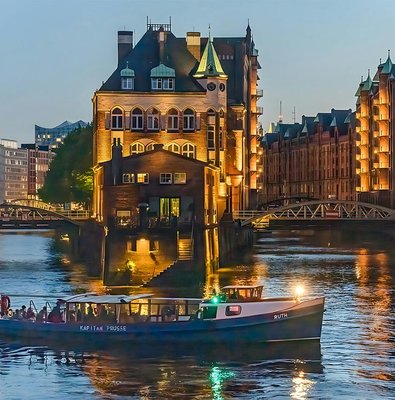
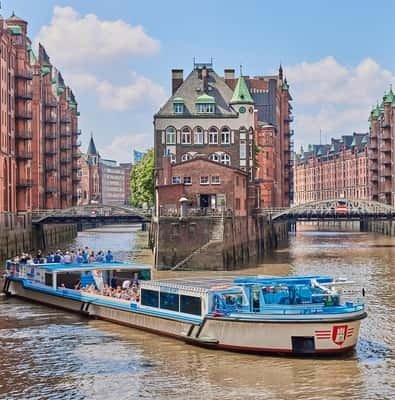
- Hamburg. A port city of canals, warehouses, and waterfront. The Speicherstadt warehouse district and a harbor cruise are the highlights, and our Hamburg guide has more.
- Rothenburg ob der Tauber. A walled medieval town on the Romantic Road. Come early or stay overnight to enjoy it without the day-trip crowds.
- The Rhine Valley. Vineyards, hilltop castles, and small riverside towns, best seen by train, boat, or a slow drive.
- The Black Forest. Cuckoo clocks are the cliche. The real draw is hiking, thermal spas in Baden-Baden, and cherry cake.
- Heidelberg. A ruined hilltop castle above a handsome university town on the Neckar.
- Dresden. A rebuilt baroque center on the Elbe, with excellent museums and a lively neighborhood scene across the river.

Best Time to Visit Germany, Season by Season
The best time to visit Germany for most people is late spring through early fall. May and June bring long days, blooming gardens, and beer gardens in full swing. September is often the sweet spot, with warm afternoons, harvest festivals in wine country, and thinner crowds than July and August.
Summer is warm and sometimes humid, with occasional thunderstorms. It is the busiest season at castles and on the Romantic Road, so book popular sights early. Fall brings golden vineyards and cooler air, and Munich's famous Oktoberfest takes over the city from late September into early October. Hotels fill up and rates climb, so plan well ahead if you want to be there.
Winter is cold, gray, and often wonderful in its own way. Christmas markets run from late November through December in nearly every town, and the best ones, like Nuremberg, Cologne, and Dresden, are worth a trip on their own. Snow is most reliable in Bavaria and the Black Forest. Berlin and Hamburg are damp and windy, but museums and cafes are cozy. Pack layers whatever the month, since weather changes quickly.
Month by Month in Germany
Late spring through early fall is best, with September offering mild weather and fewer crowds
How Many Days to Spend in Germany and a Sample Route
Plan at least a week, and ten days if you can. Germany is not huge, but the best places to visit in Germany are spread from the Baltic coast to the Alps, and you will want time between big cities.
Here is a ten-day route that works well by train.
- Days 1 to 3, Berlin. Spend one day on Museum Island and the central sights, one on the Wall and neighborhoods like Kreuzberg, and one on a Spree boat ride or a day trip to Potsdam.
- Day 4, Nuremberg or Würzburg. Stop in Franconia for old-town walks, history, and a glass of local wine.
- Days 5 to 7, Munich. Give one full day to the old town and markets, one to Neuschwanstein and Linderhof, and one to museums or the English Garden.
- Day 8, Rothenburg or the Romantic Road. Break up the journey with a night in a medieval town.
- Days 9 and 10, Cologne and the Rhine. See the cathedral, then ride along the river before flying out of Frankfurt or Cologne.
With a shorter trip, pick Berlin and Munich and skip the rest. If you love ports and water, swap in Hamburg.
Where to Stay in Berlin, Munich, Cologne and Beyond
In Berlin, Mitte puts you near the main sights and Museum Island. Prenzlauer Berg is leafy and cafe-filled, and Kreuzberg suits travelers who want nightlife, street food, and an edgier feel.
In Munich, staying in or near the Altstadt keeps you walking distance from Marienplatz. The area around the Hauptbahnhof is practical for trains and day trips, though less charming at night. Maxvorstadt is a good middle ground, close to museums and student cafes.
In Cologne, the Altstadt and the streets near the cathedral are the most convenient. Belgisches Viertel is a pleasant neighborhood for dinner and drinks.
In Hamburg, look near St. Pauli and the harbor for atmosphere, or around the Alster lakes for a calmer stay. In smaller towns such as Rothenburg and Heidelberg, sleeping inside or beside the old town is worth it, since the evenings are the best part.
Getting Around Germany by Train, Bus, and Car
Trains are the easiest way to link cities. Fast intercity trains connect Berlin, Hamburg, Cologne, Frankfurt, and Munich, and regional trains reach smaller towns. Reserve seats on busy routes, and give yourself extra time for connections, because delays happen. Download the rail operator's app to check platforms and changes.
Inside cities, subways, trams, and buses are efficient, and you buy a ticket before boarding and validate it if required. Berlin, Munich, and Hamburg are all easy to navigate without a car, and walking and cycling are pleasant too.
A rental car makes sense for the Black Forest, the Romantic Road, and the Alps. The autobahn has stretches with no posted speed limit, but stay out of the left lane unless passing. Parking in historic centers is tight and expensive, so use car parks on the edge of town.
Is Germany Safe? Practical Tips for Visitors
Yes, Germany is generally a very safe country for travelers. Violent crime against tourists is uncommon, and cities feel comfortable to walk in at night. The usual urban rules apply. Pickpockets work crowded train stations, Christmas markets, and busy sights, so keep your phone and wallet in a front pocket or zipped bag. Be a bit more alert around large stations late at night.
A few local habits help. Most shops close on Sundays, so buy groceries on Saturday. Cards are widely accepted, but small bakeries, markets, and some pubs still prefer cash, so carry a little. Bottles and cans often carry a deposit, called Pfand, that you get back at a machine. Tap water is safe, though restaurants may charge for a glass. Bike lanes are marked and taken seriously, so look before stepping onto them. Tipping is modest, usually rounding up or adding a few percent.
German is widely spoken in daily life, but English works in most tourist areas. A friendly "Guten Tag" when you enter a shop goes a long way.
German Food and Franconian Wineries Worth Seeking Out
Eat regionally. In Bavaria, order a pretzel, weisswurst at lunchtime, schnitzel, or roast pork with dumplings. In Berlin, currywurst and doner kebab are local staples, and the city's Turkish food scene is excellent. In Cologne, drink Kölsch from slim glasses that keep getting refilled until you put a coaster on top. In Hamburg, try fish sandwiches by the harbor.
Wine lovers should not skip Franconia. The best wineries to visit in Franconia, Germany, are around Würzburg, where terraced vineyards slope down to the Main River. Look for crisp, dry Silvaner and the squat, flat-sided bottle called a Bocksbeutel. Many estates and wine taverns welcome visitors, and some require a reservation, so ask ahead. Pair a tasting with a stroll through Würzburg's Residenz and its gardens. The Rhine and Mosel valleys are also lovely for Riesling.
Save room for cake. Black Forest cherry cake, strudel, and a slow afternoon coffee are part of the culture.
What to Book Ahead for Your Germany Trip
Some experiences sell out or run on tight schedules, so reserve them early. Neuschwanstein is the biggest example. Visiting is easiest on a guided day trip from Munich, and you can browse options on our Germany tours page. Many travelers combine it with Linderhof, while others prefer a full day at Neuschwanstein alone, so pick based on how much time you have.
In Berlin, popular bookings include a Museum Island multi-museum pass, a relaxed river boat tour on the Spree, and the quirky Trabant safari, where you drive a classic East German car through the city. In Munich, a walking tour on the Third Reich and WWII history adds context that most visitors find memorable. In Hamburg, a harbor and Speicherstadt cruise is a top pick, and an evening cruise brings the waterfront to life when the lights come on.
For the full picture of what is available, check the tours and tickets for Germany and lock in the headline sights first. Then leave the rest of your days loose, because wandering is half the pleasure here. Berlin deserves its own planning, so see our Berlin guide before you finalize dates.