Japan rewards almost every kind of traveler. You can watch a sumo show in Tokyo, sip matcha in a Kyoto garden, and eat your way down the street in Osaka, all in the same week. The hard part is deciding where to start, and when. If you are thinking about a trip to visit Japan, a little planning around the seasons and the train map goes a long way.
This guide covers the best time of year to go, the places and experiences that first-timers book most, a sample route, where to sleep, how to move around, and an honest answer on safety. We have also flagged the things that are worth reserving before you leave home.
Best Time to Visit Japan Season by Season
Most people land on spring or fall, and they are right. Those are the two stretches when the weather is comfortable and the scenery looks like the postcards. But the best time to visit Japan depends on what you want from the trip, so here is how the year breaks down.
- Spring (March to May). Cherry blossoms usually peak in late March or early April in Tokyo and Kyoto, and they draw big crowds. Temperatures are mild and the light is lovely. Golden Week, around the end of April and start of May, is a major domestic holiday period, so trains and sights get packed.
- Early summer (June to mid July). This is the rainy season. It is gray and humid, but also quieter and green, and it suits travelers who do not mind a rain jacket.
- Summer (July to August). Expect heat and heavy humidity, especially in Tokyo, Kyoto, and Osaka. Festivals and fireworks are the payoff. Hokkaido and the mountains are cooler escapes. Mid August, around Obon, is a busy travel time for locals.
- Fall (late September to November). Typhoon season tapers off early in the fall, and then the weather turns crisp and clear. Maple foliage in Kyoto is usually at its best in November, and it is just as crowded as cherry blossom season.
- Winter (December to February). Tokyo stays dry and cold with bright skies, which often means better views of Mount Fuji. Hokkaido and the Japan Alps get serious snow. Temples and hot springs feel wonderful in the cold, and crowds thin out.
If you want one answer for the best time of year to visit Japan, aim for late October through November or early April, and book early. If you value space and lower crowds over peak color, January, February, or early December are underrated.

Things to Do in Japan That Are Worth the Flight
Here is what first-time visitors tend to love most, and the experiences travelers book again and again.
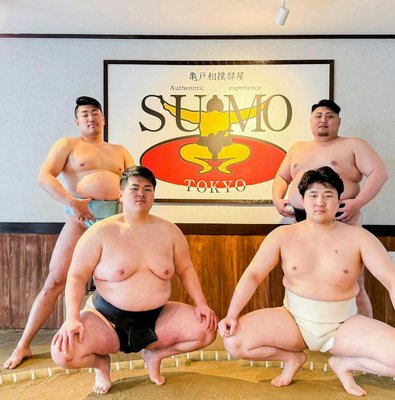
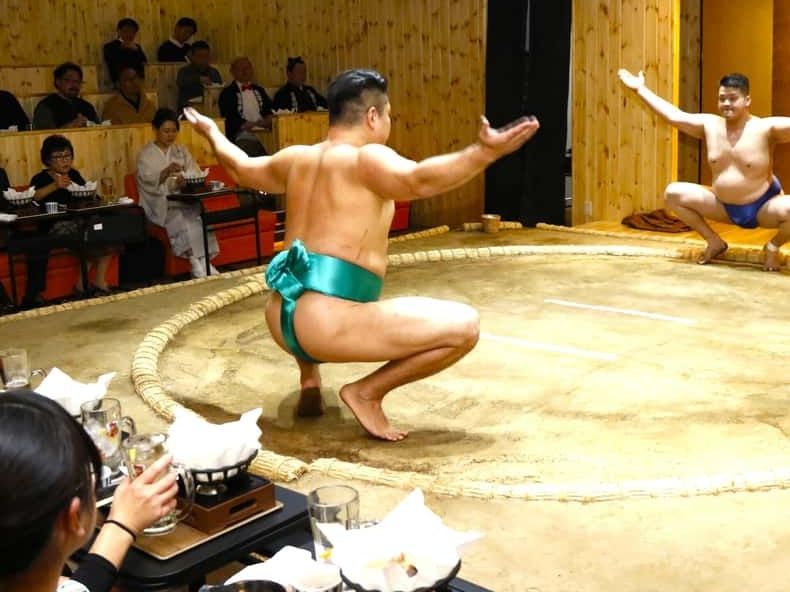
- Watch a sumo show in Tokyo. Seeing wrestlers up close, hearing the explanation of the rituals, and sometimes sharing a chicken hot pot dinner makes a great introduction to a very Japanese tradition.
- Cross Shibuya and wander Shinjuku at night. The neon, the crowds, and the tiny bars in the alleys show off Tokyo at full volume.
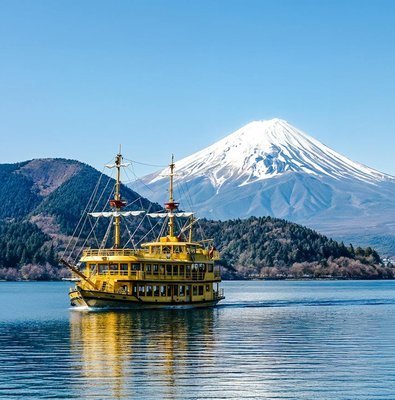
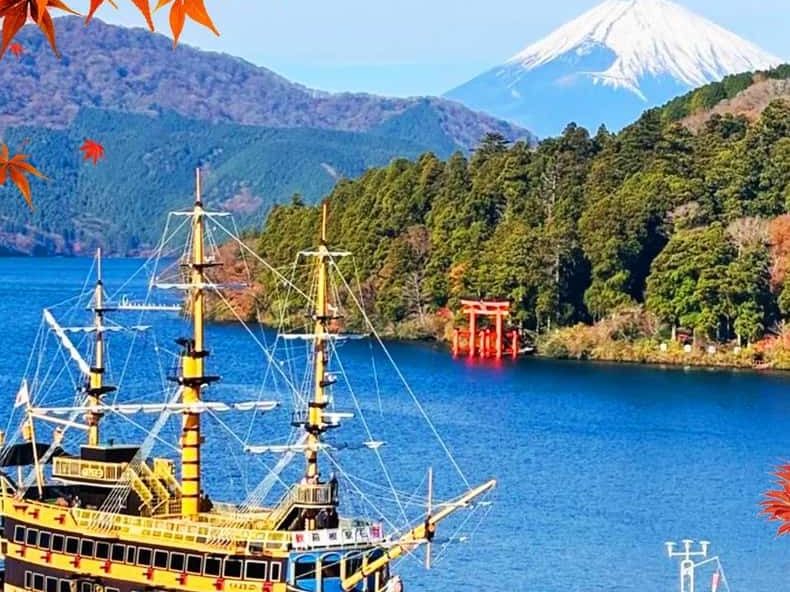
- Take a day trip to Mount Fuji and Hakone. A lake cruise on Lake Ashi and a ropeway ride over volcanic valleys, with a view of Fuji if the clouds cooperate, make an easy day from Tokyo.
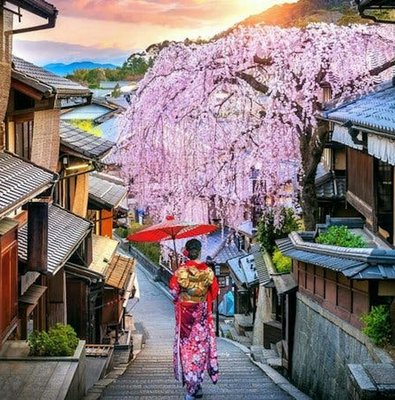
- Walk Gion in Kyoto in the evening. Wooden teahouses, lantern light, and a guide who explains geisha culture turn a stroll into a story.
- Join a tea ceremony. Kneeling in a quiet garden tea house and learning the etiquette slows you down in the best way.
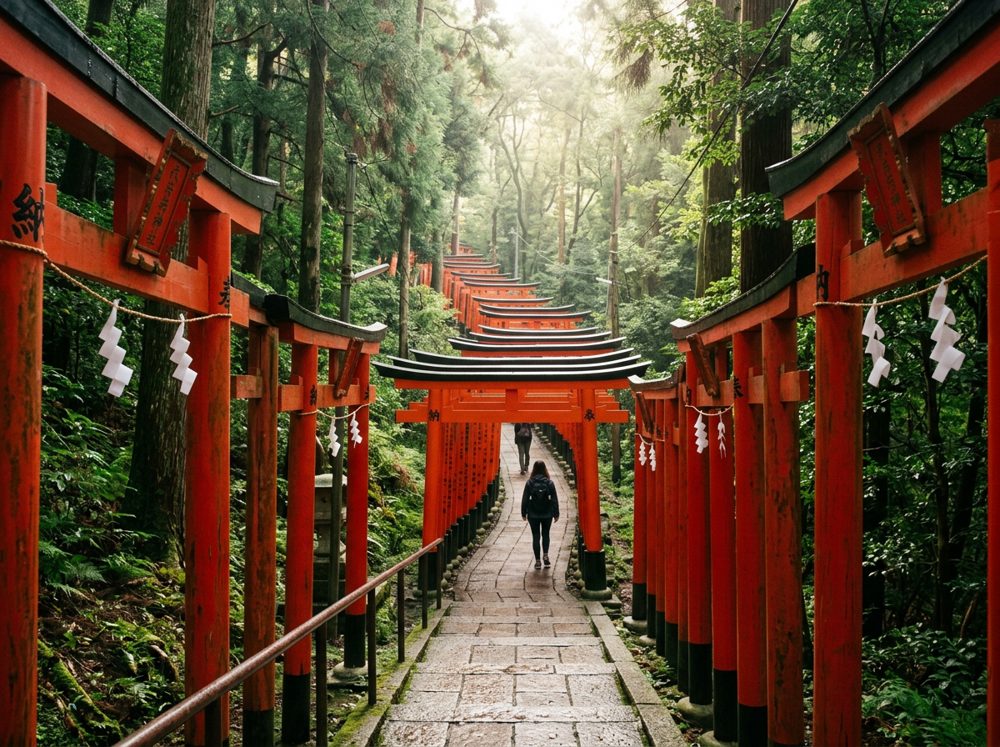
- See Fushimi Inari. Thousands of red torii gates climb a forested hillside in Kyoto. Go early to beat the crowds.
- Meet the deer in Nara. Todai-ji's giant bronze Buddha and the friendly, bow-happy deer in the park are a classic combination.
- Stroll the Arashiyama bamboo grove. It is on the western edge of Kyoto and pairs well with a river walk and temples.
- Visit Osaka Castle. The tower and museum tell the story of the warlord Toyotomi Hideyoshi, and the park around it is a nice break from the city.
- Reflect in Hiroshima and Miyajima. The Peace Memorial Park is sobering and important. Then a short ferry takes you to Itsukushima Shrine and its famous floating torii gate.
- Soak in an onsen. Hot spring baths are one of the great pleasures of Japan, in a ryokan or a public bathhouse.
Month by Month in Japan
Late March to early April and October to November offer the best mix of weather and scenery
A Japan Itinerary for 10 Days Across the Golden Route
Ten days is a comfortable first trip, and the classic Tokyo to Kyoto to Osaka line (often called the Golden Route) works well because the bullet train links everything. If you have a week, drop Hiroshima. If you have two, add Kanazawa, Takayama, or Hokkaido. These are the best places to visit in Japan for a first timer, in an order that avoids backtracking.
- Days 1 to 4, Tokyo. Spend a day in Asakusa and Ueno, another in Shibuya, Harajuku, and Shinjuku, and keep one for a sumo show and a food crawl. Use day four for Fuji and Hakone.
- Days 5 to 7, Kyoto. Take the bullet train, then spend a morning at Fushimi Inari, an afternoon in Higashiyama, and an evening in Gion. Fit in a tea ceremony and Arashiyama.
- Day 8, Nara. It is an easy half or full day trip from Kyoto or Osaka.
- Day 9, Osaka. Visit the castle, then eat in Dotonbori until you cannot move.
- Day 10, Hiroshima and Miyajima. This works as a long day trip from Osaka by bullet train. If you can spare a night, stay over, then fly home from Osaka or Tokyo.
Where to Stay in Tokyo, Kyoto, and Osaka
Pick a base near a major train station and you will save hours.
- Tokyo, Shinjuku. It is a transport hub with endless dining and nightlife. It is loud, but it is convenient.
- Tokyo, Asakusa or Ueno. These feel more traditional and often suit travelers who prefer a calmer pace, with easy subway links.
- Kyoto Station area. It is the best for logistics, with trains and buses to every major sight.
- Kyoto, Gion and Higashiyama. Stay here for atmosphere and early mornings in quiet lanes, though you are further from the station.
- Osaka, Namba. It puts you next to Dotonbori, the food, and the late night energy. Umeda, near Osaka Station, is a more polished business district option.
For one night, consider a ryokan, a traditional inn with tatami rooms, futon bedding, and often a multi-course dinner.
Getting Around Japan by Train, Subway, and Bus
Japan's rail network is the best way to travel between cities. Bullet trains (shinkansen) are fast, punctual, and comfortable, and you can reserve seats at stations or online. Within cities, the subway and local trains cover almost everything. A rechargeable IC card, which you can load on your phone or buy at a station, works on trains, subways, buses, and in many shops.
A few tips make life easier. Station signs are in English and the maps are clear, but big stations like Shinjuku and Tokyo Station are mazes, so give yourself extra time. Large suitcases are awkward on crowded trains, so many travelers use luggage forwarding services between hotels and travel with a small bag for a night or two. Taxis are clean and safe but expensive over distance. In Kyoto, buses can be slow and crowded, so a mix of subway, train, and walking works well. Driving is rarely worth it unless you are heading to rural areas.
Is Japan Safe for American Travelers
Yes, Japan is one of the safest places to travel in the world. Violent crime is rare, public transit is safe late at night, and solo travelers, including women, generally feel comfortable. Lost items are often turned in, though you should not count on it.
Common sense still applies. Watch your belongings in packed nightlife areas, and be cautious in Kabukicho in Shinjuku and similar districts, where touts may push you into bars with surprise charges. Say no and walk on.
The bigger risks are natural. Japan has frequent earthquakes, most of them minor. Learn your hotel's emergency instructions, and follow local guidance if an alert comes in. Typhoons can disrupt travel in late summer and early fall, so check forecasts and keep your plans flexible. Summer heat can also be intense, so drink water and rest in the afternoon.
Etiquette matters more than safety here. Keep your voice low on trains, take your shoes off where asked, do not eat while walking in busy areas, and do not tip. Carry some cash, since smaller restaurants and shrines may not take cards. If you have tattoos, check the policy before visiting an onsen.
Japanese Food Worth Planning a Day Around
You will eat well on any budget. Start with sushi, ramen, and tempura, then go deeper. In Tokyo, try a standing sushi counter, a tiny yakitori spot under the train tracks, or monjayaki. Kyoto is known for kaiseki, the multi-course meal, as well as tofu, pickles, and matcha sweets. Osaka lives up to its reputation with takoyaki, okonomiyaki, and kushikatsu. In Hiroshima, try the layered, noodle-packed style of okonomiyaki. Do not skip convenience store egg sandwiches, onigiri, and vending machine coffee. Many travelers say these are favorite meals, and they are an easy lunch between sights.
What to Book Ahead Before You Visit Japan
Japan is easy to explore on your own, but some experiences sell out or run on fixed schedules, and a good guide adds a lot. Sumo shows, Gion evening walks, and tea ceremonies are best reserved in advance, especially in cherry blossom and fall foliage seasons. The Fuji and Hakone loop and the Hiroshima and Miyajima trip are long days with several transfers, so a guided option removes the guesswork. Nara, Fushimi Inari, and Arashiyama also combine well into one organized day from Kyoto or Osaka.
You can browse these and more on our Japan tours and experiences page. If you are building your own route, pick the tours you want to lock in first, then book hotels and trains around them. Leave a couple of open days for wandering, because that is where Japan often surprises you most.