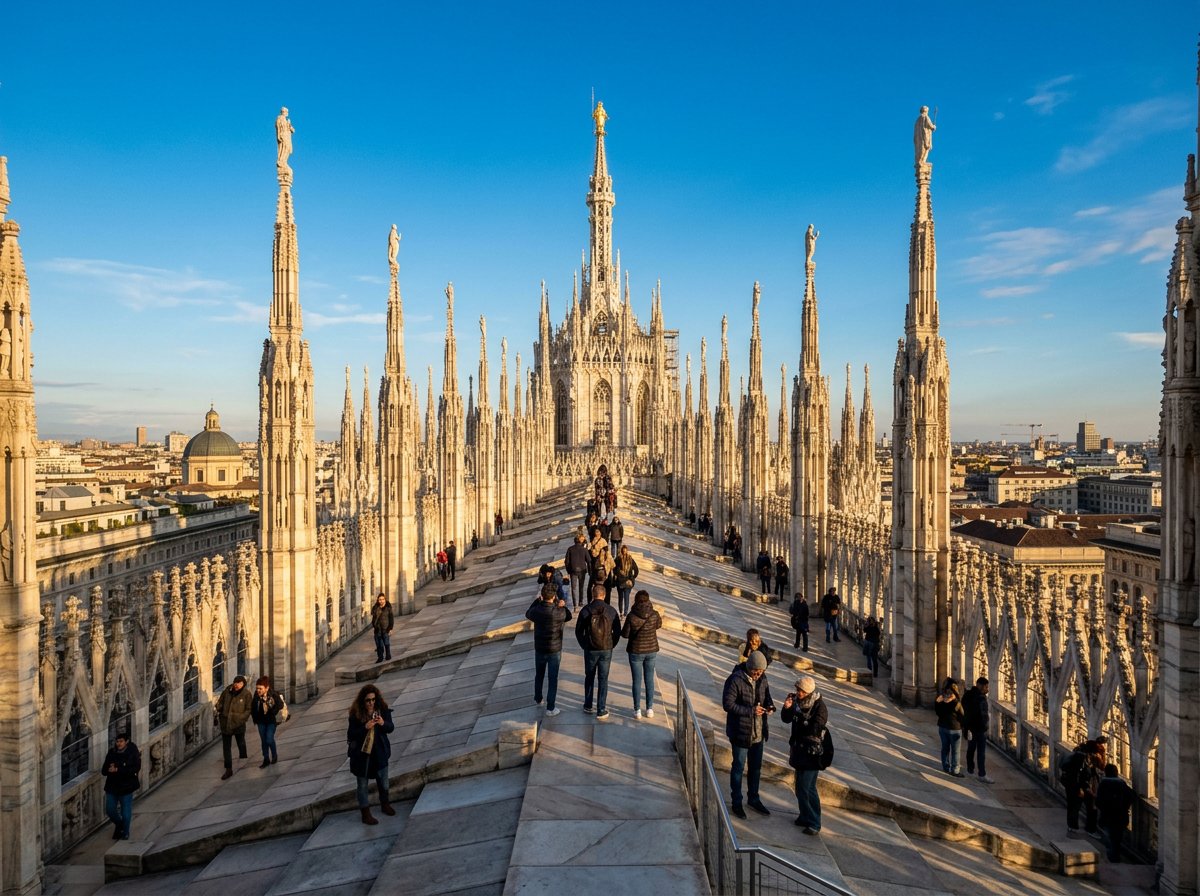
Milan gets overlooked by people rushing toward Rome, Florence, and Venice, and that is a shame. This is Italy's most polished and design-obsessed city, with a Gothic cathedral you can walk across, a Leonardo masterpiece, an opera house, and some of the best aperitivo culture in the country.
This guide covers what to do in Milan Italy, when to go, how many days to plan, where to sleep, and how to stay comfortable and safe while you are here. Think of it as the advice we would give a friend planning a first visit.
Top Places to Visit in Milan, From the Duomo to the Navigli
Milan is compact enough that you can cover the highlights without exhausting yourself. These are the things to do in Milan that first-timers love most.
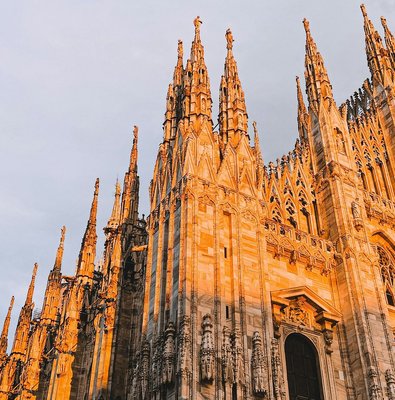
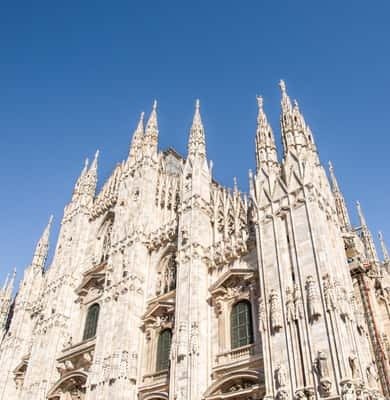
- Duomo di Milano. The marble facade bristles with spires and statues, and the interior is cavernous. Give it real time.
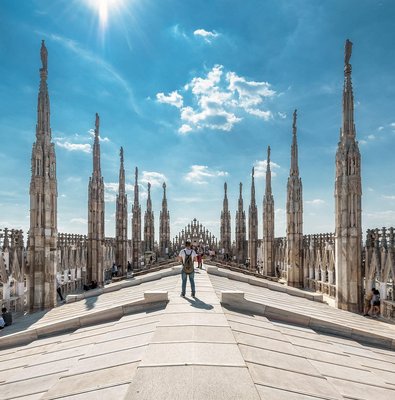
- Duomo rooftop terraces. Walking among the spires gives you a close look at the stonework and a wide view over the city. On clear days you may spot the Alps.
- Galleria Vittorio Emanuele II. This glass-domed 19th-century arcade connects the Duomo to La Scala. Look down for the mosaic bulls on the floor.
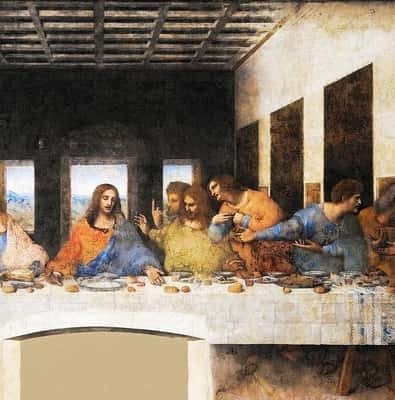
- The Last Supper. Leonardo da Vinci's mural in the Santa Maria delle Grazie complex is small in scale but unforgettable. Entry is tightly controlled, so plan early.
- Castello Sforzesco. This brick fortress has courtyards and museums, and it opens onto Sempione Park, a good place to slow down.
- La Scala. Even if you never see an opera, the theater and its museum tell the story of Italian music from Verdi onward.
- Brera district. Cobbled lanes, small galleries, and the Pinacoteca di Brera, which holds major Italian paintings.
- Navigli canals. The old canal district comes alive in the evening with bars, restaurants, and the classic aperitivo scene.
- Porta Nuova and Bosco Verticale. The modern skyline and the tree-covered residential towers show Milan's contemporary side.
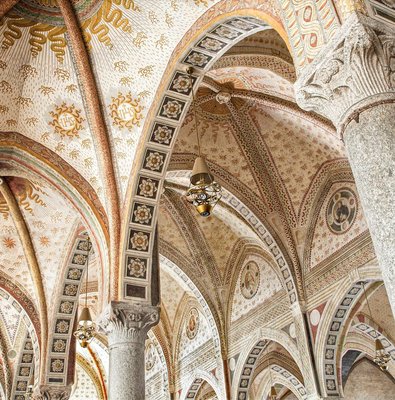
- Basilica di Sant'Ambrogio. One of the city's oldest churches, with a calm atrium and early medieval character.
If you want guided access to the headliners, our Milan tours and tickets cover the cathedral, the Last Supper, La Scala, and more.
Places to Put on Your Milan Map
- Duomo di Milano
- Galleria Vittorio Emanuele II
- Teatro alla Scala
- Sforza Castle
- Santa Maria delle Grazie (The Last Supper)
- Navigli district
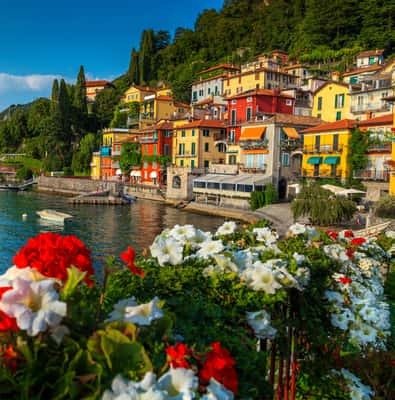
- Lake Como (Como)
Best Time to Visit Milan Through the Seasons
The best time to visit Milan is spring and early fall. April through June and September into October bring mild days, comfortable walking weather, and good light for photos. Those months are also popular, so expect more people at the big sights.
Summer is hot and humid, and the city can feel airless in July and August. Many locals leave in August, and some smaller restaurants and shops close for a stretch. The upside is quieter streets and easier hotel availability, and air conditioning makes museums and churches pleasant refuges.
Winter is cool, gray, and sometimes foggy, but it has its charms. December brings holiday lights and a festive mood around the Duomo, and crowds thin out in January. Fashion weeks and the big spring design week fill hotels and push rates up, so check the calendar before you lock in your dates.
Month by Month in Milan
Late spring and especially September offer mild weather and great events, while August is hot and quiet
How Many Days in Milan Is Enough
Two full days lets you see the essentials. Three days is the sweet spot, because it adds breathing room and a day trip. Four or more makes sense if you want to explore the lakes or the Alps by train.
- Day 1. Start at the Duomo and its rooftop, stroll through the Galleria, then walk to La Scala. Spend the afternoon in Brera and end with dinner nearby.
- Day 2. See The Last Supper in the morning, then head to Castello Sforzesco and Sempione Park. Finish with aperitivo along the Navigli.
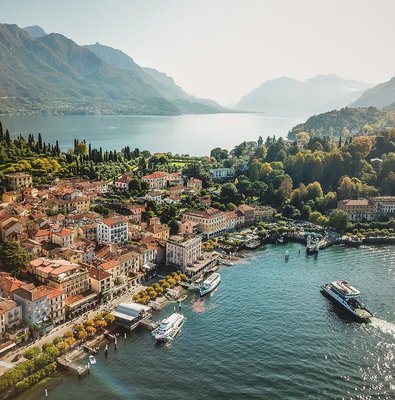
- Day 3. Take a day trip. Lake Como, Bellagio, and Lugano are a classic combination, and the Bernina Red Train toward St. Moritz is a scenic option for rail lovers. You can browse both on our Milan day trips and experiences page.
If Milan is one stop on a larger trip, our Italy travel guide can help you decide how it fits with your other destinations.
Where to Stay in Milan by Neighborhood
Milan is easy to navigate, so you do not need to agonize over location. Pick the area that fits your style.
- Duomo and Centro Storico. Best for first-timers who want to walk to the major sights. It is busy and pricier, but convenient.
- Brera. Charming, atmospheric, and walkable, with great restaurants. A favorite for couples.
- Navigli. Lively and fun, with plenty of nightlife. Light sleepers should ask for a quieter room.
- Porta Nuova and Garibaldi. Modern, clean, and well connected, with easy rail links.
- Near Centrale Station. Handy for airport trains and day trips, though the immediate area is less pretty. Choose a hotel on a calmer side street.
- Porta Venezia. Relaxed, leafy, and full of cafes, with good metro access.
When deciding where to stay in Milan, a short walk to a metro stop matters more than being right beside the Duomo.
Getting Around Milan by Metro, Tram, and Train
The metro is the fastest way to cross the city, and its color-coded lines reach most major sights. Vintage orange trams add charm and cover areas the metro misses. Central Milan is also very walkable, and you can link the Duomo, Galleria, La Scala, and Brera on foot.
Milan has two main airports for most visitors, Malpensa and Linate, plus Bergamo for budget flights. Airport trains and buses connect to the center, with Malpensa trains usually running to Centrale or Cadorna. For day trips, regional trains leave from Centrale, Cadorna, and Garibaldi. Taxis are plentiful but best booked by phone or app, not hailed from the curb.
Is Milan Safe? Honest Tips for Visitors
Yes, Milan is generally safe for visitors, and most trips pass without incident. The main concern is petty theft, not violent crime. Pickpockets work crowded places like the Duomo square, Centrale Station, tourist trams, and busy metro cars.
- Keep phones and wallets in front pockets or a zipped bag.
- Politely refuse strangers who press bracelets or "free" gifts into your hands near the Duomo.
- Stay alert around Centrale Station at night, and use well-lit routes.
- Be sure any taxi is licensed and the meter is running.
- Keep copies of your passport and leave valuables in the hotel safe.
With ordinary city awareness, you can enjoy Milan comfortably, including in the evening around Navigli and Brera.
Milanese Foods Worth Seeking Out
Milan's cuisine is richer and more butter-driven than what you find in southern Italy. Start with risotto alla milanese, a saffron-gold dish often served with ossobuco, braised veal shank. Try cotoletta alla milanese, a breaded veal cutlet fried until crisp. For something lighter, panzerotti, fried pockets of dough with tomato and mozzarella, make a fun street snack.
Then there is aperitivo, the early-evening ritual of a drink with snacks, which is a great way to sample the local scene. Finish with panettone, Milan's famous sweet bread, and a proper espresso. If you want to cook what you eat, a pasta and tiramisu class with wine is a hands-on way to take recipes home.
What to Book Ahead for Milan
Some Milan experiences sell out, so reserve those first. The Last Supper is the top priority because visits are limited and timed. A guided visit also gives you context you will not get from the painting alone.
The Duomo and rooftop terraces are worth booking in advance, especially in peak seasons, and fast-track options save time in busy months. La Scala tours are another smart advance booking. Lake Como, Lugano, and Bernina Red Train day trips run on set schedules and work best when planned ahead. You can see everything in one place on our Milan tours page.
Milan pairs well with other Italian cities. If you are building a longer route, see our guides to Rome and Venice for the next stops.