Rome is a city where you turn a corner and find a 2,000-year-old temple next to a laundromat. There are ancient ruins, Renaissance masterpieces, and Baroque fountains, plus plates of pasta that make you want to move here. The hard part of planning a Rome vacation is deciding what to skip.
This guide covers the things to do in Rome that are actually worth your time, including free ones. It also covers the best time to visit, how many days you need, where to stay, and what to reserve before you leave home.
Best Things to Do in Rome, From the Colosseum to Trastevere
Rome rewards both planners and wanderers. These are the best things to do in Rome for a first visit, and a few are just plain fun.
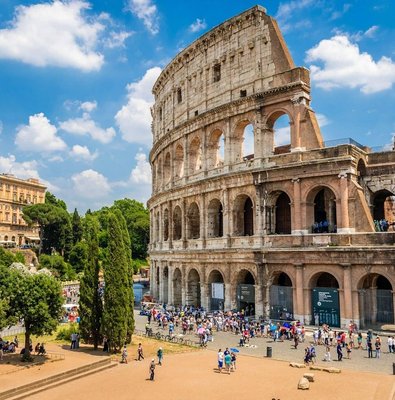
- The Colosseum. The great amphitheater is bigger in person than in photos. Go inside to see the arena floor and the tiers of seating.
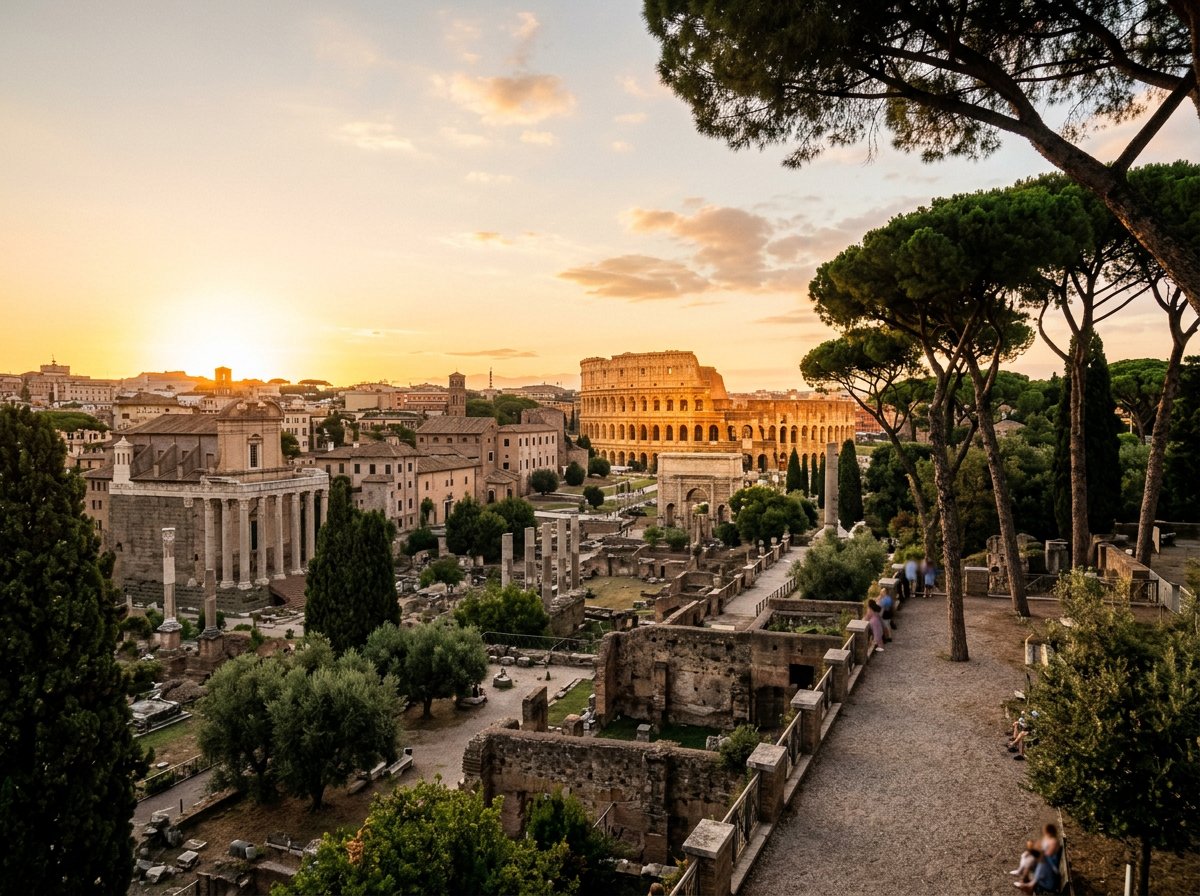
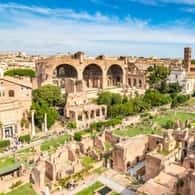
- Roman Forum and Palatine Hill. Walk the old civic heart of the empire, then climb Palatine Hill for views back over the ruins.
- Vatican Museums and the Sistine Chapel. Miles of galleries lead to Michelangelo's ceiling. Raphael's rooms along the way are easy to underrate.
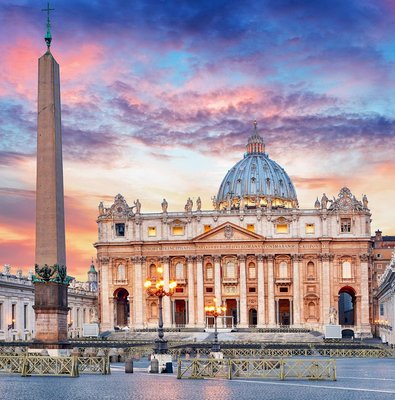
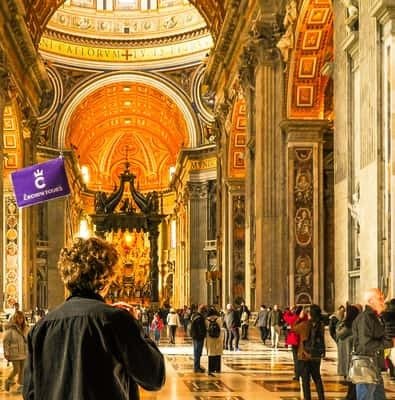
- St. Peter's Basilica. Look at Michelangelo's Pietà, then climb the dome if your legs are up for it.
- The Pantheon. The concrete dome is nearly 2,000 years old, and the light through the oculus is hard to forget.
- Trevi Fountain. Come early or late, toss a coin over your shoulder, and take in the Baroque drama.
- Piazza Navona and Campo de' Fiori. Bernini fountains, street artists, and a lively evening aperitivo scene.
- Borghese Gallery and Gardens. Bernini sculptures and Caravaggio paintings in a villa, followed by a stroll or bike ride in the park.
- Trastevere. Ivy-covered lanes, small trattorias, and a very good Roman evening.
- The Appian Way. One of the oldest Roman roads, with catacombs and countryside, great on a bike.
- A Vespa-style or vintage car ride. A Fiat 500 or golf cart tour is a fun way to see the hilltops without sore feet, and it's easy to pair with a gelato stop.
Places to Put on Your Rome Map
- Colosseum
- Vatican Museums and Sistine Chapel
- Trevi Fountain
- Pantheon
- Roman Forum
- Ostia Antica
- Tivoli (Villa d'Este)
Free Things to Do in Rome That Still Feel Like Highlights
Some of the best free things to do in Rome are the ones you'd do anyway. The Trevi Fountain, Piazza Navona, and the Spanish Steps cost nothing, and they're best at dusk when the stone glows and the day-trippers thin out.
St. Peter's Basilica has no entry fee, though the security line can be long. Dress modestly with covered shoulders and knees. Churches around the center hide serious art, like the Caravaggio paintings in San Luigi dei Francesi and the mosaics in Santa Maria in Trastevere.
For views, climb the Janiculum Hill at sunset. Then peek through the Aventine Keyhole to see the dome of St. Peter's perfectly framed. Along the way, refill your bottle at the public drinking fountains, called nasoni. The water is cold and safe to drink.
Month by Month in Rome
April, May and October offer mild weather and manageable crowds, with September also good
Best Time to Visit Rome Through the Seasons
The best time to visit Rome is spring or fall. April through early June and September through October bring comfortable temperatures, long daylight, and good walking weather. They are also popular, so expect crowds at the big sights.
Summer is hot and sticky, and the stone streets hold the heat. If you come then, plan sightseeing for early morning and late evening, and take a midday break indoors. Many Romans leave in August, so a few neighborhood restaurants close for a stretch, though the major sights stay busy.
Winter is mild compared to most of the US, with cool, sometimes rainy days. It also has the smallest crowds, and you'll often get the Forum and the museums with room to breathe. Easter and the Christmas holidays are busy at any time, so book early for those.
How Many Days in Rome Are Enough
Three full days is a good minimum for a first trip. Four lets you slow down or add a day trip. Rome has far more than a week's worth of sights, so don't try to see everything.
Here is a simple sample plan:
- Day 1. Colosseum, Roman Forum, and Palatine Hill in the morning. Spend the afternoon around Capitoline Hill and dinner in Monti.
- Day 2. Vatican Museums and the Sistine Chapel first thing, then St. Peter's Basilica. Wander Prati for lunch, then cross the river for the Pantheon, Piazza Navona, and the Trevi Fountain at night.
- Day 3. Borghese Gallery in the morning, the Spanish Steps, then a long evening in Trastevere.
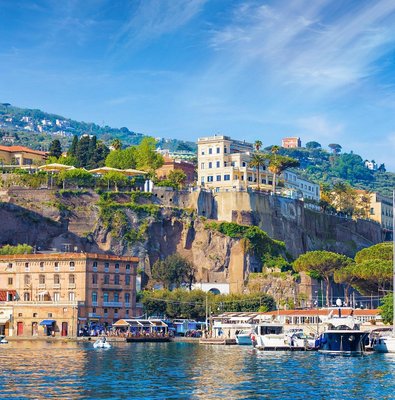
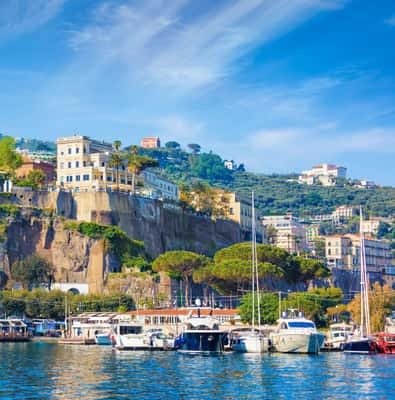
- Day 4. Take a day trip. Pompeii and the Amalfi Coast make a long but memorable day, while Tivoli's Villa d'Este and Hadrian's Villa are a gentler option.
If Rome is one stop on a bigger trip, our Italy travel guide can help you connect it with other regions. Pairing Rome with Venice or Milan is a popular route by high-speed train.
Where to Stay in Rome by Neighborhood
Rome is walkable, so the best place to stay is the one that fits your style.
- Centro Storico. Around the Pantheon and Piazza Navona. It's atmospheric and central, but pricier and louder at night.
- Monti. A hip, village-like area near the Colosseum with wine bars and boutiques. It's a favorite for first-timers.
- Trastevere. Charming and lively, with great dining. Expect noise on weekends, and a walk or tram to the major ruins.
- Prati. Calm and residential, close to the Vatican. It suits travelers who plan a Vatican morning.
- Near Termini Station. Convenient for trains and the airport connection, and often good value. The streets are a bit rougher around the edges, so pick your block carefully.
- Testaccio. A local, food-focused neighborhood that is quiet and authentic, with a short metro or bus ride to the sights.
Getting Around Rome on Foot, Metro, and Bus
Most of central Rome is best explored on foot. Distances between the Pantheon, Trevi, and Piazza Navona are short, though the cobblestones are tough on thin shoes. Bring comfortable ones.
The metro is useful but limited, with lines that reach the Colosseum, the Spanish Steps, and the Vatican area. Buses and trams fill the gaps, and a tram makes Trastevere easy. Licensed white taxis are plentiful, and ride-hailing is limited, so ask your hotel to call a cab when needed.
From Fiumicino airport, a direct train runs to Termini Station, which is the simplest option for most visitors. Rome's traffic is chaotic, so cross streets with confidence and use marked crosswalks.
Is Rome Safe? Practical Tips for Visitors
Yes, Rome is generally safe for tourists, and violent crime against visitors is uncommon. The main issue is pickpocketing, especially around Termini Station, on crowded buses and metro cars, and in crowds near the Trevi Fountain and Colosseum.
A few habits help. Keep your phone and wallet in a front pocket or zipped bag. Don't leave things on cafe tables. Be polite but firm with anyone pushing "free" bracelets or friendship offers. Use licensed taxis and agree on the process before you ride.
Plan for the heat in summer, with a hat, water, and sunscreen. Wear cover-ups for churches. Skip restaurants with photo menus right next to major sights, and walk a few streets away for better food.
Roman Food Worth Eating
Roman cooking is simple, generous, and a little bold. Start with the classic pastas: carbonara, cacio e pepe, amatriciana, and gricia. Order supplì, fried rice balls with melted mozzarella, as a snack, and grab pizza al taglio by the slice.
Try carciofi alla giudia, crispy fried artichokes from the old Jewish Quarter, and saltimbocca, veal with prosciutto and sage. Finish with gelato, tiramisu, or a morning maritozzo, a sweet cream-filled bun. At a coffee bar, drink your espresso standing, as locals do.
If you want to learn how it's made, a hands-on pasta and tiramisu class is one of the most enjoyable ways to spend an afternoon.
What to Book Ahead for Your Rome Vacation
Rome's headline sights sell out, and lines can eat into your day. Reserve the Vatican Museums and Sistine Chapel, the Colosseum with the Forum and Palatine Hill, and the Borghese Gallery before you arrive. A guide makes a big difference at the ruins, where context turns piles of stone into stories. You can browse guided tours and experiences in Rome to compare options.
Day trips are worth locking in too, especially Pompeii, the Amalfi Coast, and Tivoli. They are long days, so a transport-included tour spares you the logistics. For something lighter, consider a food class, a vintage Fiat 500 ride with photo stops, or a golf cart tour with a gelato tasting. Check the Rome tours page for what fits your dates, and book popular slots early in spring and fall.