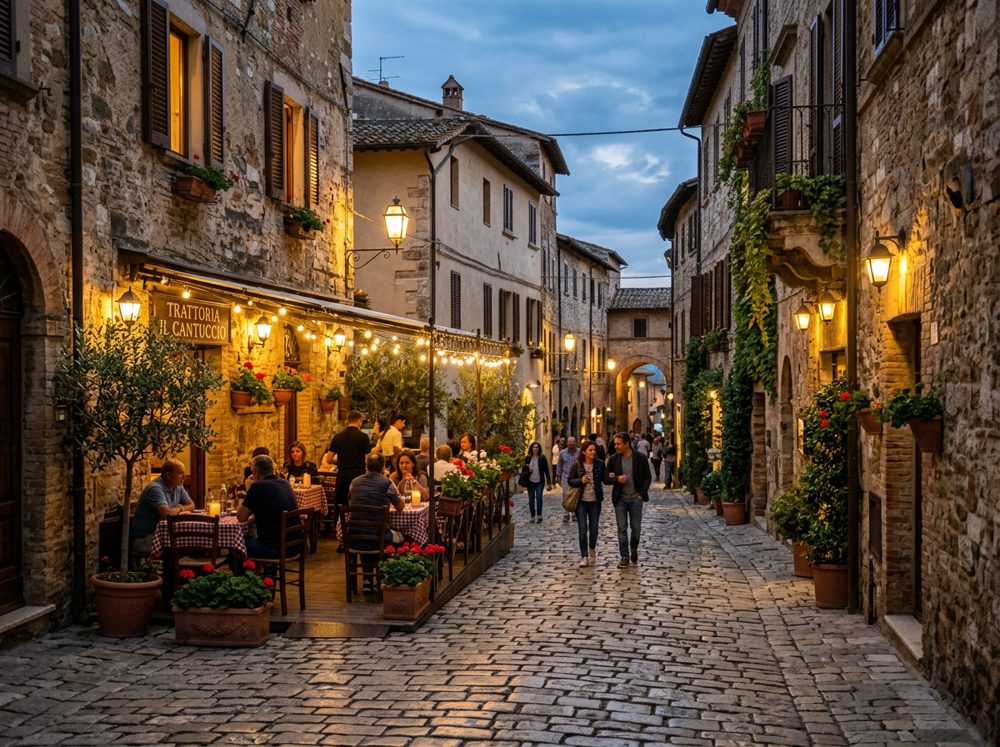
Italy rewards almost every kind of traveler. You can stand inside the Colosseum in the morning, eat a plate of cacio e pepe at lunch, and still have energy for a sunset walk along the Tiber. Or you can skip the big sights and spend a week drifting through Tuscan hill towns with a glass of Chianti in hand. The hard part is deciding what to include.
This guide covers the things to do in Italy that first-timers book most, the places to visit that fit together on one trip, and the best time to visit Italy for your style of travel. You'll also find a sample itinerary, advice on where to stay, and a straight answer on safety.
Top Things to Do in Italy From Rome to the Amalfi Coast
If you're making a first list of things to do in Italy, start here. These are the experiences travelers return home talking about.
- Colosseum and Roman Forum. Walk the ruins where ancient Rome played out. A guide makes the stones make sense.
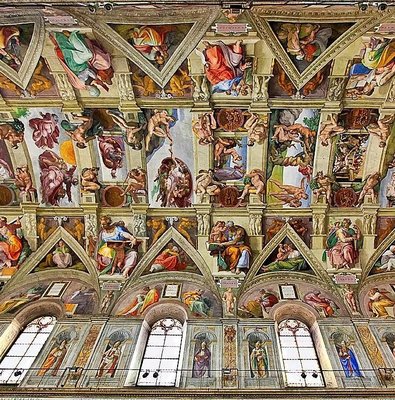
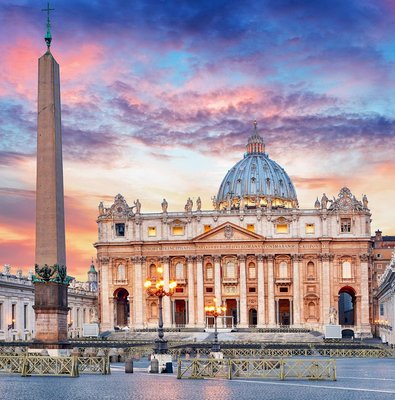
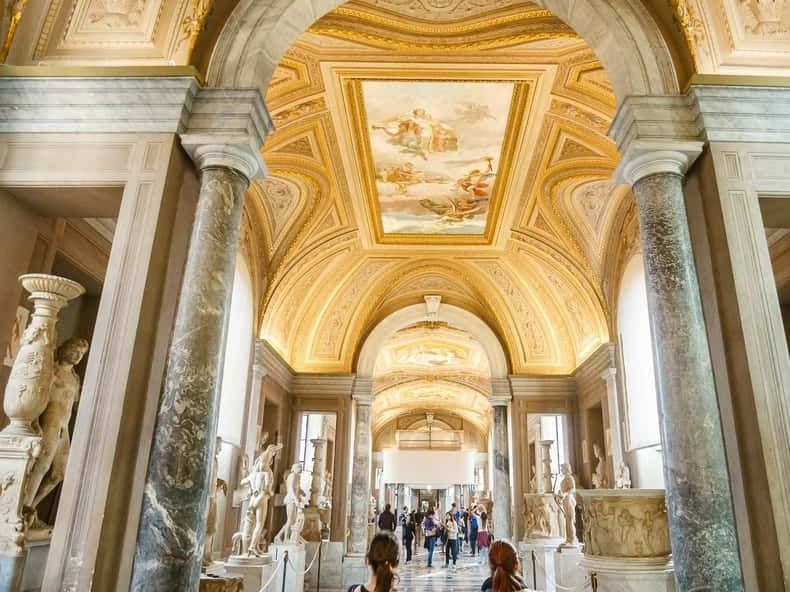
- Vatican Museums and Sistine Chapel. Michelangelo's ceiling is the finale, and St. Peter's Basilica next door is worth the climb to the dome.
- Venice by water. Ride the Grand Canal, see St. Mark's Square, then get lost in the back lanes. For more ideas, see our guide to things to do in Venice Italy.
- Murano and Burano. Watch a glassblower at work, then photograph the rainbow houses of Burano. A boat tour makes this easy.
- Florence's Renaissance core. Visit the Duomo, the Uffizi, Michelangelo's David and the Ponte Vecchio.
- Tuscan hill towns. Siena's shell-shaped piazza, the towers of San Gimignano and the Leaning Tower of Pisa all make a good day trip.
- Chianti wine country. Taste Sangiovese at family estates among the cypress-lined hills.
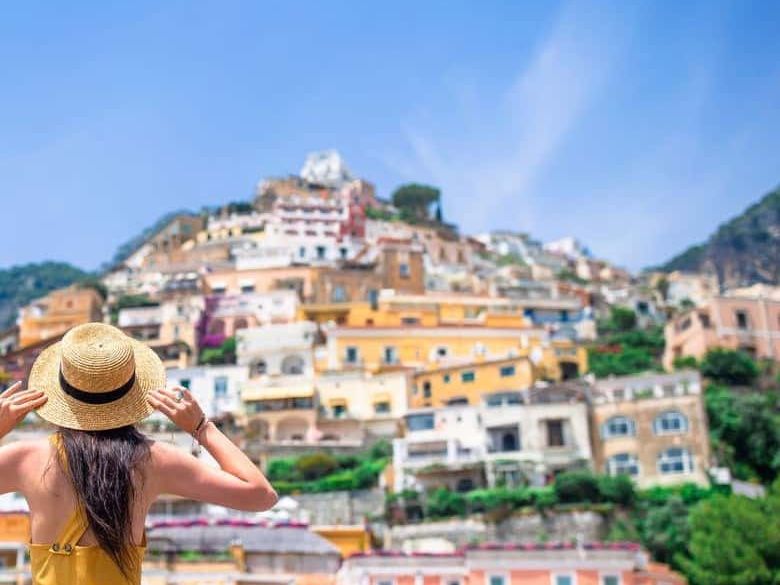
- Amalfi Coast. Sorrento, Positano and Amalfi cling to cliffs above blue water. The drive is half the thrill.
- Pompeii. A Roman town frozen by Vesuvius. Go with a guide, because the site is sprawling and the context matters.
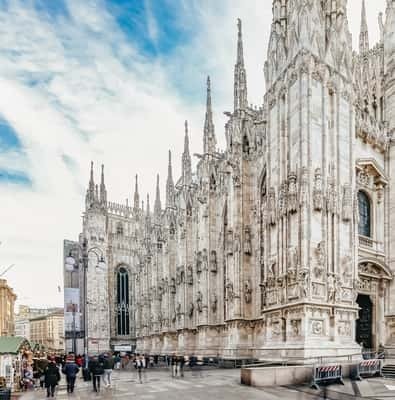
- Milan. The Duomo's rooftop, the Galleria and Leonardo's Last Supper. Our Milan guide has more.
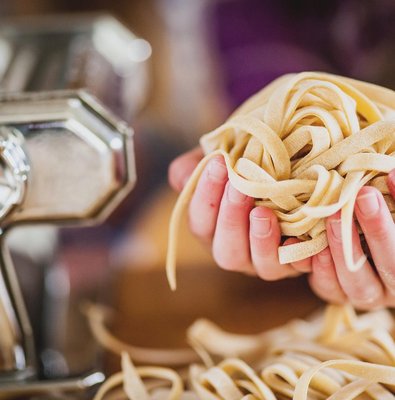
- A hands-on cooking class. Rolling pasta in a Florence kitchen, with plenty of wine, is a fun way to spend an afternoon.
The Best Time to Visit Italy by Season
The best time to visit Italy for most people is spring (April to early June) or fall (September to October). Temperatures are comfortable for walking, gardens and coastlines look their best, and crowds are manageable compared with midsummer.
Summer is hot, especially in Rome, Florence and the south, and August is when many Italians take vacation. Cities can feel quieter at the local level, though tourist sites stay busy. Beaches and lakes are at their peak, so it suits Amalfi Coast and Lake Como trips better than big sightseeing days.
Winter brings fewer visitors, lower demand and cozy trattorias. Rome and Florence are pleasant if chilly and rainy, Venice can flood at high tide, and the Dolomites turn into a ski region. Many coastal towns slow down or close for the season, so the Amalfi Coast is a poor winter choice.
If you can choose, pick late April, May, late September or early October. Book popular entries ahead in all seasons.
Month by Month in Italy
Late April to early June and September to October offer mild weather and manageable crowds
If You Can Only Visit One City in Italy
If you can only visit one city in Italy, most travelers should choose Rome. It packs in ancient ruins, Vatican treasures, baroque piazzas and some of the best eating in the country. You can fill a week and still miss things. Our guide to things to do in Rome Italy breaks down the neighborhoods and sights.
Choose Florence if art and Tuscan day trips matter more to you than ruins. Choose Venice if you want a place unlike anywhere else, ideally with an overnight stay after the day crowds leave.
If you searched for a Jennifer Lopez family Italy vacation, you were probably after the glamorous, multigenerational version of Italy, with sunny coastlines, boat days and long dinners. I can't speak to anyone's private itinerary, but that mood is easy to capture. Base yourself on the Amalfi Coast or by a northern lake, hire a private boat for a day, and keep the schedule loose.
How Many Days to Spend in Italy and a Sample Route
Ten days to two weeks is the sweet spot for a first visit. A week works if you stick to Rome, Florence and Venice. Resist the urge to add a new base every two nights, because packing and train stations eat more time than you'd expect.
- Days 1 to 4, Rome. Colosseum and Forum, a full Vatican morning, then wander Trastevere and the historic center. Add a Pompeii and Amalfi Coast day if you want to see the south.
- Days 5 to 7, Florence. Spend a day on the city's art, another in Chianti or on a Pisa, Siena and San Gimignano loop, and an evening on a pasta class.
- Days 8 to 10, Venice. Stay overnight, explore early and late, and give a half day to Murano and Burano.
- Extra days. Add the Amalfi Coast, Cinque Terre or Milan and the lakes.
Where to Stay in Italy by Area
Choose a base that cuts down on commuting between sights.
- Rome. The historic center near Piazza Navona and the Pantheon puts you within walking distance of everything. Trastevere is lively and charming at night. Prati is calmer and close to the Vatican.
- Florence. Stay near the Duomo or Santa Maria Novella for walkability, or across the Arno in Oltrarno for a local, artisan feel.
- Venice. San Marco is central but busy. Dorsoduro and Cannaregio feel more residential and are easier to enjoy after dark.
- Amalfi Coast. Sorrento is the practical choice with good transit links. Positano is scenic but steep and pricier in feel. Amalfi town sits in the middle.
- Milan. Brera and the area around the Duomo are convenient for first visits.
Getting Around Italy by Train, Car and Ferry
Trains are the easiest way to connect Rome, Florence, Venice and Milan. High-speed services link the major cities quickly, and stations are central. Book reserved seats ahead during busy seasons.
Inside cities, walk as much as you can. Rome has a small metro, so buses and taxis fill the gaps. Venice has no cars at all, just walking and water buses.
A rental car makes sense in Tuscany's countryside but is a headache in cities, where restricted traffic zones can bring fines. On the Amalfi Coast the road is narrow and crowded, so many visitors prefer ferries, buses or a guided day trip. If driving worries you, a tour handles the logistics.
Is Italy Safe? Practical Tips for Visitors
Yes, Italy is generally safe for travelers, and violent crime against tourists is uncommon. The usual risk is petty theft, like pickpocketing around Rome's Termini station, crowded buses, the Colosseum area and busy Venice vaporettos.
Wear a zipped cross-body bag, keep your phone out of back pockets, and stay alert in crowds. Politely ignore people pushing friendship bracelets or petitions. Use licensed taxis, and confirm the fare method before you ride.
Dress modestly for churches, with covered shoulders and knees. Wear comfortable shoes, since cobblestones are hard on feet. Carry a refillable bottle, because public fountains in Rome offer safe drinking water. Keep copies of your passport, and check current entry rules before you fly.
Italian Foods Worth Seeking Out
Italian food is regional, so eat what the place you're in does best.
- Rome. Carbonara, cacio e pepe, amatriciana and crisp Roman-style artichokes.
- Florence and Tuscany. Bistecca alla fiorentina, ribollita and a glass of Chianti.
- Naples and the coast. Wood-fired pizza, fresh seafood and lemon everything around Sorrento.
- Venice. Cicchetti, small bites at a wine bar, and seafood risotto.
- Milan. Risotto alla milanese and cotoletta.
Skip restaurants with photo menus beside major sights. Walk a few streets away, and finish with gelato from a shop with natural colors.
What to Book Ahead in Italy
Some places sell out, and lines can eat half a day. Reserve the Vatican Museums and Sistine Chapel, the Colosseum, the Last Supper in Milan and the Uffizi in advance. A guided Vatican tour that includes St. Peter's Basilica also saves you from navigating huge crowds alone.
Day trips are worth arranging too, especially ones with tricky logistics, like the Amalfi Coast and Pompeii from Rome or Naples, a Chianti wine tour from Florence, or a Pisa, Siena and San Gimignano day. A boat tour to Murano and Burano and a Florence pasta class also fill up early in peak season.
You can browse these and more on our Italy tours page. If you want customized vacation specialists in Italy to shape the route around your group, start from the same page and tell us what matters most. Then leave a few afternoons open. In Italy, the unplanned stops are often the best ones.