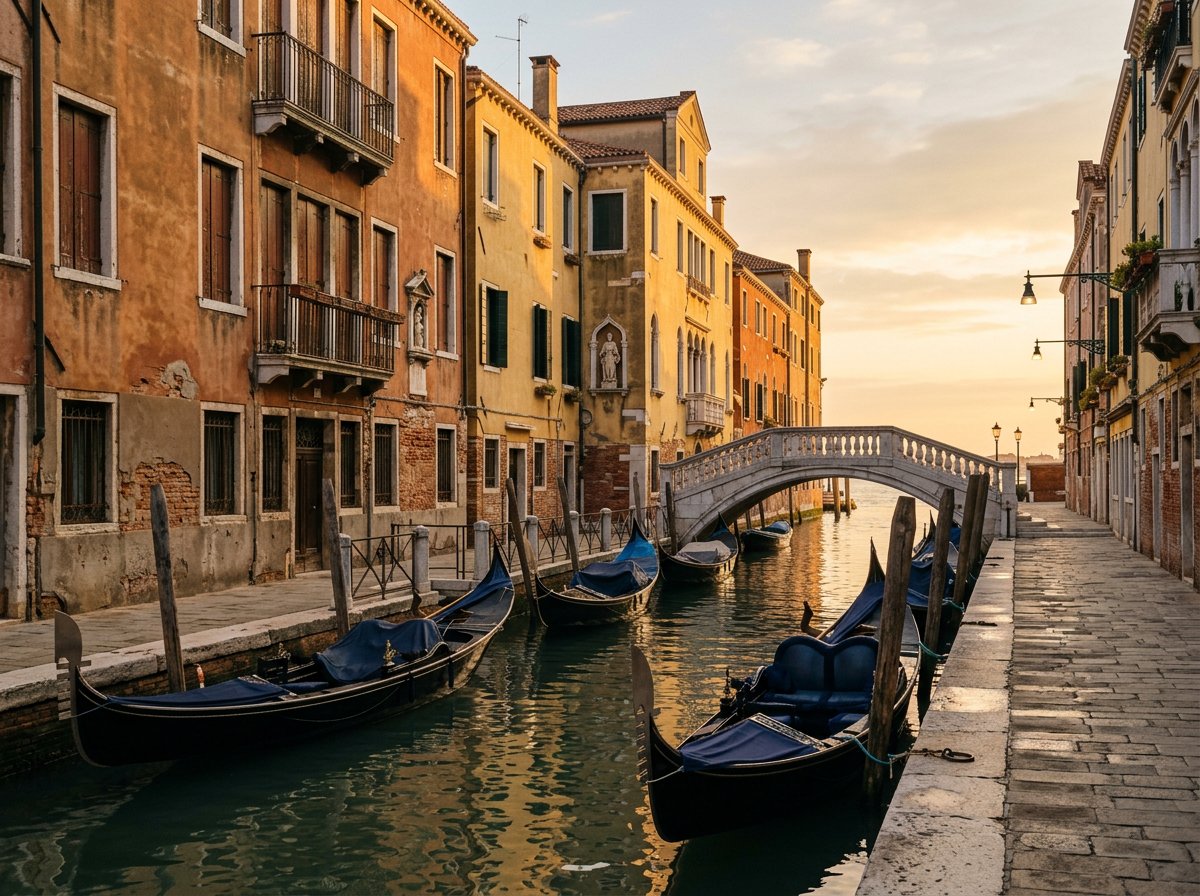
Venice is a city of about a hundred small islands stitched together by bridges, with no cars and almost no straight lines. Getting lost is part of the fun, and it is also the best answer to what to do in Venice on your first morning. Walk a few minutes off the main routes and you'll find quiet courtyards, laundry strung over canals, and bars full of locals.
This guide covers the things to do in Venice, Italy that are actually worth your time, plus when to go, where to stay, and what to reserve ahead for your Venice vacation. (If you were searching for things to do in Venice Beach, that's the boardwalk neighborhood in Los Angeles. Everything below is about the Italian original.)
Top Things to Do in Venice Italy
Venice is compact, so you can fit a lot into a short visit. These are the highlights most travelers build their trip around.
- St. Mark's Basilica. The golden mosaics inside are staggering, and the church sits on one of the great squares of Europe.
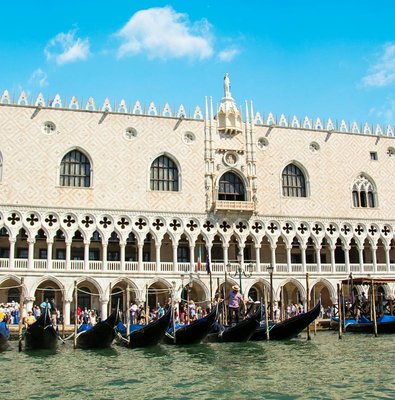
- Doge's Palace. This was the seat of Venetian power for centuries. Expect grand council halls, the prison, and a walk across the Bridge of Sighs.
- St. Mark's Campanile. Ride up the bell tower for a rooftop view of the lagoon and the terracotta skyline.
- A Grand Canal ride. Take a vaporetto (water bus) the full length and watch the palaces slide past. It's the cheapest sightseeing cruise in town.
- Rialto Bridge and Market. Cross the famous bridge, then browse the produce and fish stalls nearby in the morning.
- Gallerie dell'Accademia and the Peggy Guggenheim Collection. One covers Venetian masters, the other modern art in a canalside palazzo, both in Dorsoduro.
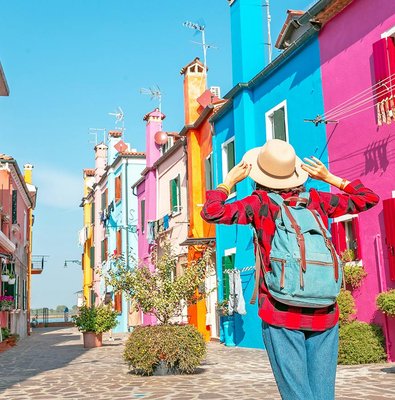
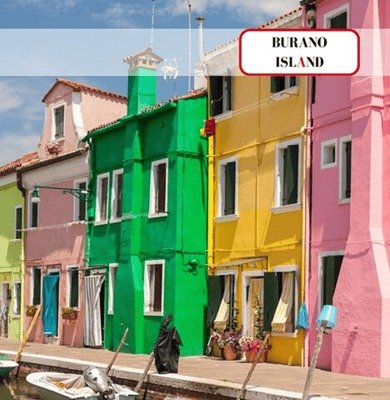
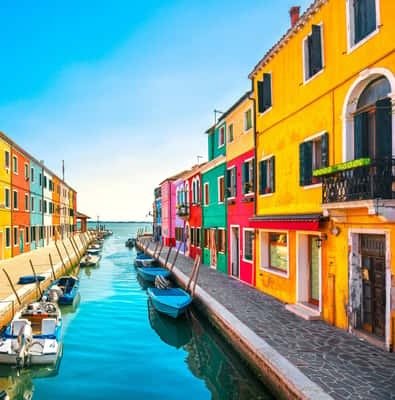
- Murano and Burano. Murano is the home of Venetian glass, and Burano is a fishing village of brightly painted houses and lace. A guided trip to the lagoon islands makes the boat logistics easy.
- The Jewish Ghetto in Cannaregio. This is the world's original ghetto, with a quiet, thoughtful atmosphere and a few synagogues and a small museum.
- Santa Maria della Salute. The domed church at the mouth of the Grand Canal is one of the city's most photographed landmarks.
- An evening concert. Baroque music suits Venice, and hearing Vivaldi in a historic setting is a classic night out.
Places to Put on Your Venice Map
- St. Mark's Basilica
- Doge's Palace
- Rialto Bridge
- Gallerie dell'Accademia
- Burano
- Murano
- Padua Scrovegni Chapel
Best Time to Visit Venice
The best time to visit Venice for most people is April to early June or September to October. Days are mild, the light is lovely, and you can comfortably walk for hours. Those months are still busy, but they beat the crush of summer.
July and August are hot, humid, and packed, and the canals can smell a bit ripe in heavy heat. Late fall and winter bring moody fog, thinner crowds, and the chance of acqua alta, the seasonal high tides that flood low areas for a few hours. Locals handle it with raised walkways and boots, and it usually passes quickly, but pack waterproof shoes if you come then. Carnival in late winter fills the city with masks and costumes and raises hotel demand, so book early if that's your goal.
Whatever the season, Venice is busiest in the middle of the day when cruise and day-trip crowds arrive. Early mornings and evenings feel like a different city.
Month by Month in Venice
Late April to May and September to October bring mild weather and manageable crowds and prices.
How Many Days to Spend in Venice
Two full days covers the headline sights without rushing. Three days lets you slow down, add the islands, and wander without a checklist. One day is possible, but you'll mostly be hurrying between famous spots. If you're building a bigger trip, see our guide to Italy for ideas on how Venice fits with other stops.
Here's a sample three-day plan.
- Day 1. St. Mark's Basilica and Doge's Palace in the morning, lunch away from the square, then a Grand Canal vaporetto ride and sunset around the Rialto.
- Day 2. Boat out to Murano and Burano, return mid-afternoon, then explore Dorsoduro, with a museum visit and an evening spritz along the Zattere waterfront.
- Day 3. Cannaregio and the Ghetto in the morning, a cicchetti crawl for lunch, and a slow afternoon getting happily lost in Castello. Finish with a concert if you can.
Where to Stay in Venice Italy by Neighborhood
Choosing where to stay in Venice comes down to the mood you want. The city is small enough that nowhere is truly far, but it helps to pick the right sestiere (district).
- San Marco. The most central and the most polished, right by the basilica and palace. It's convenient but crowded and pricey for what you get.
- Dorsoduro. Artsy, relaxed, and full of cafes, galleries, and university energy. It's a favorite for first-timers who want charm without chaos.
- San Polo and Santa Croce. Lively and central, close to the Rialto and many good bacari (wine bars). Santa Croce is also handy for the bus and parking area at Piazzale Roma.
- Cannaregio. More local and residential, with quieter canals, easy access to Santa Lucia train station, and a good dining scene.
- Castello. Stretches from near St. Mark's out to calmer, neighborhood streets. The farther east you go, the more peaceful it feels.
- Giudecca and the Lido. Both are a short boat ride away. They suit travelers who want space, views, or a beach day, but you'll depend on the water bus.
Staying overnight is worth it. Venice after the day-trippers leave is the version people fall in love with.

Getting Around Venice on Foot and by Vaporetto
Walking is the main way to get around Venice, and you'll do a lot of it, including many bridges with steps. Pack light and wear comfortable shoes. Rolling a big suitcase over cobblestones and stairs is no fun.
Vaporetti run along the Grand Canal and out to the islands, and they're the public transit of the city. Line 1 is the slow scenic route down the Grand Canal. Small traghetti, basic gondola ferries, cross the Grand Canal at a few points for a quick, inexpensive ride. Private water taxis are glamorous but costly, so most travelers save them for airport transfers or special occasions.
From Marco Polo Airport you can reach the city by water bus, water taxi, or a bus to Piazzale Roma. Trains arrive at Santa Lucia, right on the Grand Canal. A gondola ride is touristy, but it's lovely at a quiet hour if you have your heart set on it.
Is Venice Safe and Other Practical Tips
Yes, Venice is generally very safe, and violent crime against visitors is rare. The main issue is pickpocketing in crowded places like the vaporetto, the Rialto, and St. Mark's Square. Keep your bag zipped and in front of you, and your phone out of back pockets. At night the quiet streets can feel eerie, but they're usually fine. Just stay aware, and don't wander with your head buried in a map.
A few more tips that save headaches.
- Restaurants right on the main squares tend to be overpriced and mediocre. Walk a few blocks away.
- Don't sit on bridge steps or in doorways, and be respectful in residential areas. Venice is a living city.
- Bring a small portable charger. Maps drain your battery, and the alleys can confuse GPS.
- Fill your water bottle at public fountains. The water is safe and cold.
- Pairing Venice with Italy's big cities is easy by train. Our guides to Milan and Rome help with the next stop.
Venetian Food Worth Trying
Venetian cooking is built around the lagoon and the Veneto countryside. The best way into it is cicchetti, small bites served at bars called bacari. Order a few with a glass of local wine or an Aperol spritz, which is hugely popular here, and move from bar to bar.
- Baccalà mantecato. Creamy whipped salt cod on a slice of bread.
- Sarde in saor. Sweet and sour sardines with onions, raisins, and pine nuts.
- Bigoli in salsa. Thick whole-wheat pasta with anchovy and onion sauce.
- Risi e bisi. A soupy rice and pea dish that's a springtime favorite.
- Fegato alla veneziana. Calf's liver with soft onions, served with polenta.
- Tiramisu. It comes from the Veneto region, so finishing a meal with it here feels right.
Seafood is the star, especially fresh fish and shellfish near the Rialto. Look for small, busy places with short menus.
What to Book Ahead for Your Venice Vacation
Venice rewards a little planning. The big sights draw long lines, and skipping them frees up time for wandering. Reserved entry for Doge's Palace, or a combined visit with St. Mark's Basilica and a guide, is among the most popular things to book, since the history is dense and a guide brings it to life.
Also worth reserving are a lagoon trip to Murano and Burano (including private boat options with a glassmaking demonstration), a live Vivaldi concert, and food experiences such as a street food walk, a sunset stroll with tastings, or a pasta and tiramisu cooking class. You can browse them all on our Venice tours and tickets page.
Leave plenty of unplanned time too. The best Venice moment is often a canal you stumbled onto with a gelato in hand.