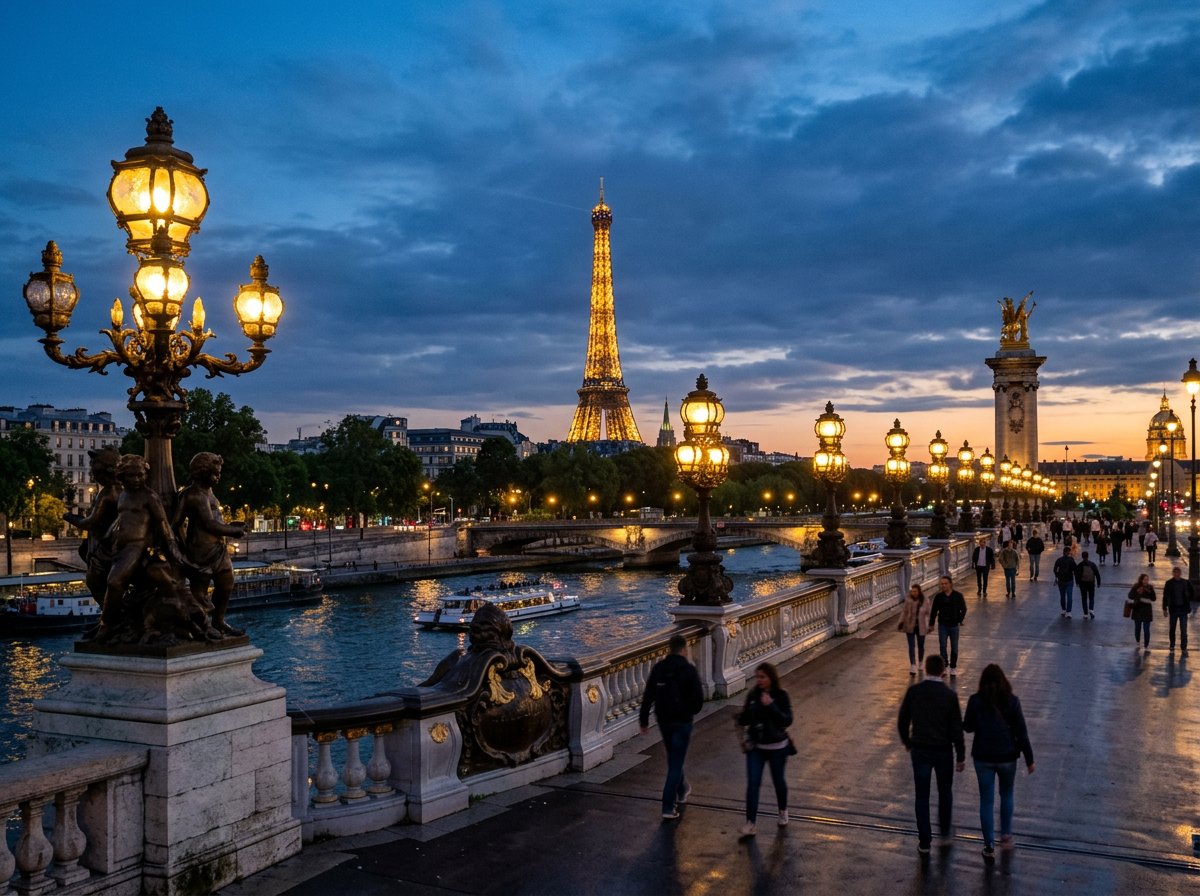
Paris rewards both the planner and the wanderer. You can spend a morning in front of the Mona Lisa, an afternoon people-watching from a café chair, and an evening on the Seine as the bridges light up, and none of it feels rushed if you set it up well. This guide covers the top things to do in Paris, when to go, where to sleep, and how to keep a Paris vacation smooth.
The city is compact, split into twenty districts called arrondissements, and most places to visit in Paris are a short Metro ride or a pleasant walk apart. The trick is not finding enough to do. It is choosing well, booking the big names ahead, and leaving room for the unplanned cheese shop or side street.
Top Things to Do in Paris, France
These are the classics that earn their reputation, plus a few that locals still enjoy.
- Eiffel Tower. Go up for the view, or admire it from the Trocadéro or the Champ de Mars lawn. Sunset here is hard to beat, and it is a favorite spot for portrait sessions.
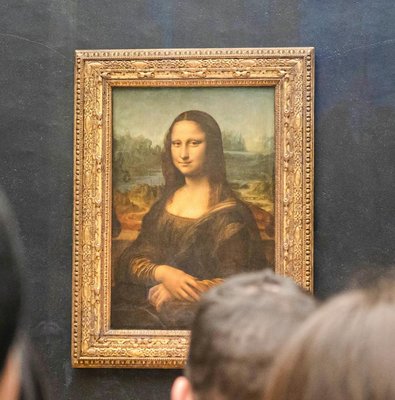
- The Louvre. The Mona Lisa and the Venus de Milo are the headliners, but the building itself is the real showstopper. Pick a few galleries rather than trying to see everything.
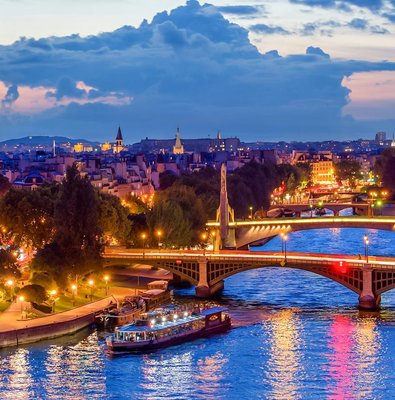
- A Seine cruise. Seeing Notre-Dame, the Musée d'Orsay, and the bridges from the water is a relaxing way to get your bearings, especially after dark.
- Montmartre and Sacré-Cœur. Climb the hilltop streets, watch the painters at Place du Tertre, and look out over the rooftops from the basilica steps.
- Île de la Cité. Walk past Notre-Dame, then step into Sainte-Chapelle, where the tall stained glass glows like jewelry.
- Musée d'Orsay. Monet, Degas, Renoir, and Van Gogh live in a former train station. It is more manageable than the Louvre and just as memorable.
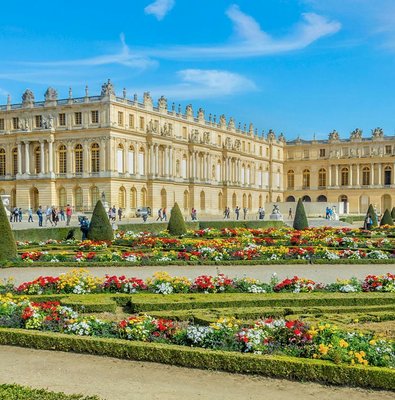
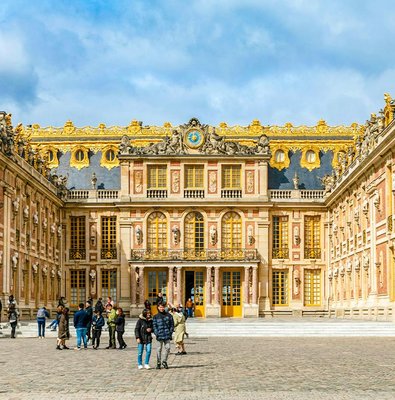
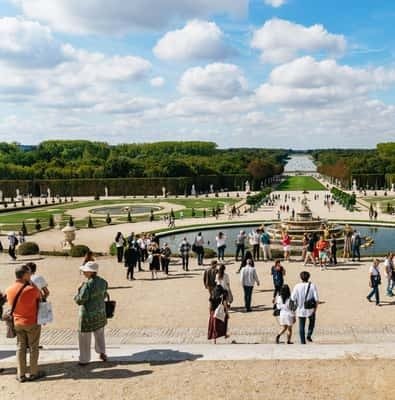
- Palace of Versailles. The Hall of Mirrors and the royal gardens make a full-day excursion from the city.
- Le Marais. Medieval lanes, Place des Vosges, boutiques, and falafel on Rue des Rosiers. It is ideal for aimless wandering.
- Arc de Triomphe and the Champs-Élysées. Climb to the top for a view of twelve avenues fanning out like a star.
- Luxembourg Gardens. Grab a green metal chair by the fountain and do what Parisians do, which is nothing at all.


Best Time to Visit Paris Through the Seasons
The best time to visit Paris depends on what you value. Spring (April to early June) brings blooming chestnut trees, long evenings, and mild days, though showers are common, so pack a light rain jacket. Early fall (September and October) is my favorite combination of comfortable temperatures, golden light, and slightly thinner crowds.
Summer is warm and sometimes hot, and many older buildings and Metro cars lack air conditioning. It is also the busiest season, with long lines at the major sights. Late evenings stay light, which makes picnics along the Seine wonderful. Some small neighborhood businesses close for part of August as locals head out of town, but the big attractions stay busy.
Winter is gray, damp, and chilly, but it has real upsides. Museums are calmer, and holiday lights and markets add charm in December. If you want the lowest crowds and can handle cold, January and February are quiet.
Month by Month in Paris
Late spring and early fall offer mild weather and long days, with July and August the most crowded and expensive
How Many Days to Spend in Paris
Three days gives you the highlights, four lets you breathe, and five or more lets you add a day trip. Here is a sample plan for a four-day Paris vacation.
- Day 1. Île de la Cité and Sainte-Chapelle, a stroll through the Latin Quarter, Luxembourg Gardens, then a Seine cruise at dusk.
- Day 2. Louvre in the morning, a walk through the Tuileries Garden, lunch nearby, then the Eiffel Tower area for sunset.
- Day 3. Full day at Versailles, returning to Paris for a relaxed dinner.
- Day 4. Montmartre in the morning, Musée d'Orsay or Le Marais in the afternoon, and a long goodbye dinner.
If you have extra time, Normandy's D-Day beaches make a moving long day trip. Planning a bigger French route? Our France travel guide helps you decide what comes next.
Where to Stay in Paris by Neighborhood
Choosing where to stay in Paris is mostly about vibe. Arrondissements spiral clockwise outward from the center, so lower numbers are closer to the Louvre and Seine.
- Le Marais (3rd and 4th). Central, stylish, and walkable, with great restaurants and shopping. A strong pick for first-timers.
- Latin Quarter and Saint-Germain (5th and 6th). Classic Left Bank charm, bookshops, cafés, and easy access to Luxembourg Gardens.
- Near the Eiffel Tower (7th). Elegant and quiet, with beautiful views, though fewer nightlife options.
- Montmartre (18th). Village feel and hilly lanes. It is romantic, but expect stairs and a bit more street noise near Pigalle.
- Opera and Grands Boulevards (2nd and 9th). Practical for transit and department stores, with good-value hotels.
Whatever you choose, stay near a Metro station with direct lines to the sights you care about most. That saves more time than any single sightseeing shortcut.
Getting Around Paris by Metro and on Foot
The Metro is dense, fast, and the easiest way to cover distance. Stations are everywhere, and a transit app will give you the best line and transfers. Buses are slower but scenic, and the RER trains connect the city to the airports and to Versailles.
Walking is the best way to feel the city, particularly along the Seine, through the Marais, and around Montmartre. Wear broken-in shoes, since cobblestones and stairs add up. Taxis and rideshares are handy late at night or when you are carrying luggage. From Charles de Gaulle or Orly airports, the RER, Metro-connected options, and taxis all work well, so pick based on your hotel location and how much luggage you have.
Is Paris Safe? Common Sense for Visitors
Is Paris safe? For most visitors, yes. Violent crime against tourists is uncommon, and millions of people walk around comfortably every year. The main issue is petty theft, especially pickpocketing around crowded landmarks, on busy Metro lines, and near major train stations.
A few habits go a long way. Keep your phone in a front pocket or zipped bag, and do not leave it on café tables. Be wary of anyone who approaches with a clipboard petition, a friendship bracelet, or a ring they claim you dropped. A polite no and walking on is enough. Stay aware in crowds and at night around transit hubs, and use well-lit streets. Solo travelers, including women, generally find the city comfortable with ordinary urban awareness.
Keep a copy of your passport details, carry only the cash you need, and you will likely come home with nothing worse than sore feet.
Classic Paris Foods Worth Seeking Out
Start the day with a buttery croissant and a café crème from a neighborhood bakery. Look for a boulangerie with a line of locals. At lunch, a jambon-beurre sandwich on a crusty baguette is simple perfection, and a croque monsieur is the classic café order.
For dinner, try a traditional bistro and order steak frites, French onion soup, duck confit, or boeuf bourguignon. Save room for crêpes, macarons, or a slice of tarte Tatin. Cheese shops and open-air markets are great for picnic supplies, and a bottle of wine for the Seine bank is a very Parisian ritual. Reserve dinner tables in advance for popular spots, since the best small restaurants fill quickly.
What to Book Ahead Before Your Paris Trip
A little advance planning changes the whole experience. The Louvre and Versailles are the biggest ones. Timed entry and a guide who knows the shortcuts help you spend your hours looking at art instead of standing in line. Many travelers book a guided Louvre or Versailles visit for exactly that reason, and the Versailles trips with transport simplify the logistics.
Other bookings worth locking in early include a Seine dinner cruise with live music for a special evening, an Eiffel Tower photoshoot if you want standout travel photos, and a Montmartre walk with a local guide, whose stories add depth to the hilltop streets. The Normandy D-Day beaches are a long day, so a guided trip with lunch and transport takes the stress out.
You can browse all the tours and tickets in Paris to build your itinerary around the dates you have. If your trip continues south, our guides to Nice and Marseille make good next chapters.