Marseille is the oldest city in France, and it doesn't act like a museum. It's a loud, salty, multicultural port where fishermen sell the morning catch on the quay, soccer scarves hang from balconies, and limestone cliffs drop into turquoise water a short ride from downtown. If Paris is France in a tailored jacket, Marseille is France in a T-shirt and sunglasses.
This guide covers what to do in Marseille, when to go, how to build a realistic itinerary, where to stay, and whether the city's reputation holds up. It also flags the few experiences worth reserving ahead, so you can spend your time eating and swimming instead of standing in line.
Ten Marseille Highlights From the Vieux-Port to the Calanques
If you only have a short list, start here. These are the places that make Marseille feel like Marseille.
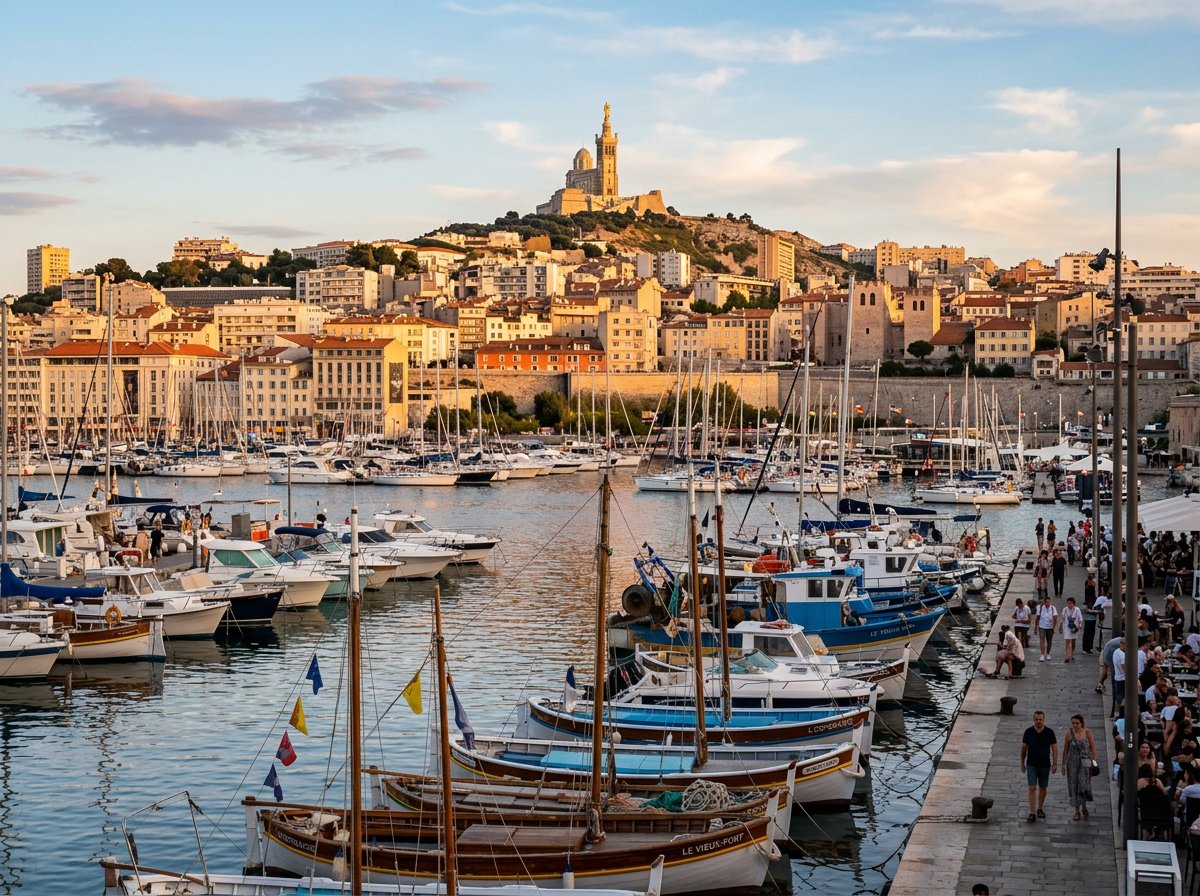
- Vieux-Port. The Old Port is the city's living room. Watch fishing boats unload, wander the quays, and look up at the mirrored canopy over the pedestrian plaza.
- Notre-Dame de la Garde. The hilltop basilica, nicknamed the Bonne Mère, has the best panorama in town over rooftops, islands, and sea.
- Le Panier. The oldest neighborhood is a maze of pastel façades, small galleries, and murals. Go slowly and let yourself get lost.
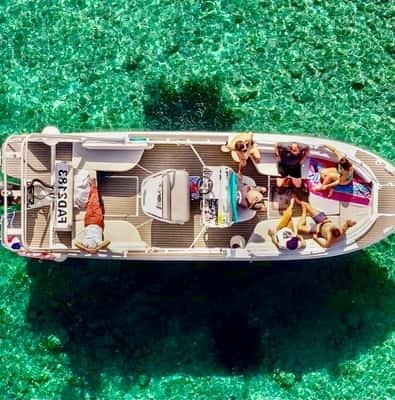
- The Calanques. These steep limestone inlets with clear water are the region's showpiece. Take a boat, hike, or paddle in for a swim.
- MuCEM and Fort Saint-Jean. The museum of Mediterranean cultures sits beside a historic fort, linked by a footbridge with sea views.
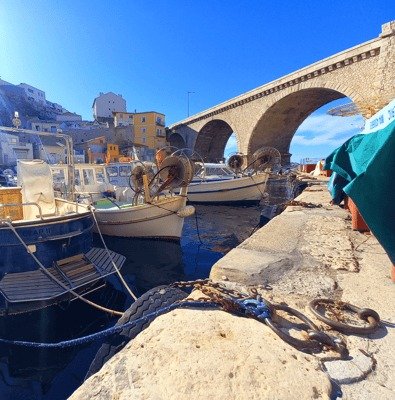
- Vallon des Auffes. A tiny fishing harbor under a bridge, with small boats and sunset-hour crowds who know what they're doing.
- Cours Julien. The street art and café district is Marseille's creative, slightly scruffy heart.
- Château d'If. The island fortress made famous by The Count of Monte Cristo is a short boat ride from the port.
- Cosquer Cave replica. The real cave, with prehistoric paintings, is underwater, so visitors tour a detailed reproduction near the waterfront.
- Day trip to Cassis or Aix-en-Provence. One is a pretty fishing town with cliffs and wine, the other a elegant university town of fountains and markets.
Places to Put on Your Marseille Map
- Vieux-Port (Old Port)
- Notre-Dame de la Garde
- MuCEM
- Le Panier
- Calanques National Park (Sormiou)
- Château d'If
- Aix-en-Provence (Cours Mirabeau)
Top Free Things to Do in Marseille
Marseille is generous to travelers on a budget, because its best features are outdoors. A lot of what makes the city special costs nothing.
- Walk the Corniche Kennedy along the coast road, with the sea on one side and villas on the other.
- Climb to Notre-Dame de la Garde. Entering the basilica is free, and the view alone justifies the uphill effort.
- Explore Le Panier on foot and hunt for street art.
- Watch the fish market at the Vieux-Port, where local sellers still work from their boats in the morning.
- Stroll Palais Longchamp, a grand fountain and park complex that feels almost Roman.
- Swim at a city beach. The Prado beaches and small coves along the Corniche are public, and locals use them daily.
- Cross the footbridge to Fort Saint-Jean and walk the exterior paths for sea views.
Month by Month in Marseille
Late spring and early fall bring warm sunny days, swimmable seas and fewer crowds than peak summer.
Best Time to Visit Marseille by Season
Marseille has a classic Mediterranean climate with long, sunny summers and mild winters. The best time to visit Marseille for most people is late spring (May and June) or early fall (September and early October). The sea is swimmable, the light is gorgeous, and the crowds are manageable.
Summer is hot, bright, and busy. It's perfect for beach days and boat trips, but midday heat can be punishing on hilltop climbs. In very dry, windy weather, authorities can restrict access to the Calanques hiking areas because of fire risk, so stay flexible and check conditions before you go.
Winter is cool and often sunny, with fewer visitors and easier restaurant reservations. Swimming is off the table for most of us, but city walking and food are excellent.
Year-round, watch for the mistral, a strong, dry north wind that can blow for days. It clears the sky to a brilliant blue but can make boat trips choppy and café terraces breezy. Pack a light jacket even in warm months.
A Three-Day Marseille Itinerary With Local Flavor
Three days is a sweet spot. Here's a Marseille itinerary that mixes landmarks with the neighborhood life that makes the city memorable. If you want to plan a Marseille itinerary around what locals actually do, think in terms of mornings on the water or in the hills, and evenings in the neighborhoods.
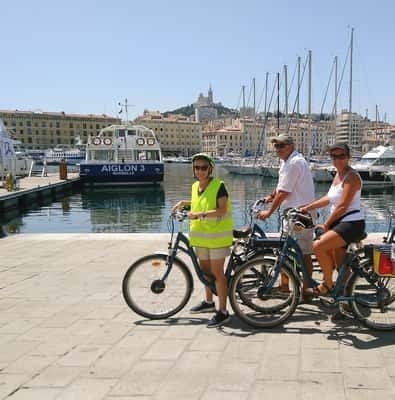
Day one, the heart of the city. Start at the Vieux-Port, then climb through Le Panier. After lunch, visit MuCEM and Fort Saint-Jean. Finish with sunset at Vallon des Auffes and dinner nearby. A guided walking or e-bike tour with a local is a great way to get your bearings on this first day, since the city's layout is not intuitive.
Day two, the Calanques. Spend the morning on a boat trip or a paddle excursion, with time for a swim in the clear coves. Return for a lazy afternoon and an evening in Cours Julien for drinks and street art.
Day three, your choice. Head to Cassis and Aix-en-Provence for a Provençal day trip, or stay local with Notre-Dame de la Garde, Palais Longchamp, a market stroll, and a bouillabaisse lunch. With a fourth day, add Château d'If and the Frioul islands, or the Cosquer Cave replica.
Where to Stay in Marseille by Neighborhood
Marseille is spread out, so your base matters. Here's how the main areas compare.
- Vieux-Port and the city center. The easiest choice for first-timers, with restaurants, metro access, and walkability. It's lively at night.
- Le Panier. Atmospheric and charming, with small guesthouses and quieter evenings. Expect steep streets and stairs.
- Cours Julien and La Plaine. Young, artsy, and full of bars. Great for travelers who like nightlife and local energy.
- Endoume and the Corniche. A residential, seaside stretch that is ideal for sea views, sunsets, and morning swims. You will use buses or taxis more here.
- Prado and Castellane. A good option if you want beaches nearby and easy metro links, with a more local, less touristy feel.
- Near Gare Saint-Charles. Convenient for train day trips and early departures, but the surroundings are less polished. It suits one-night stops best.
Getting Around Marseille Without a Car
You don't need a car in Marseille, and driving and parking in the center are stressful. The city has two metro lines, a tram network, and plenty of buses that fill in the gaps. Walking is the best way to cover the Vieux-Port, Le Panier, and the waterfront, though be ready for hills.
A small ferry shuttles across the Vieux-Port, and boats leave from the harbor for Château d'If and the Frioul islands. Taxis and ride-hailing apps are useful late at night and for the Corniche. E-bikes are popular for the coastal road, and they make the hills far more pleasant.
Gare Saint-Charles is a major rail hub. High-speed trains link Marseille to Paris, as covered in our Paris guide, and regional trains run to Aix-en-Provence, Cassis, and the Riviera, including Nice. For a broader view of the country, see our guide to France.
Is Marseille Safe? Honest Tips for Visitors
Marseille has a rougher reputation than it deserves, but it's a big port city and deserves normal urban awareness. Most visitors have trouble-free trips. The tourist areas, including the Vieux-Port, Le Panier, the Corniche, and the main shopping streets, are busy and generally fine during the day and evening.
The most common problem is petty theft, such as pickpocketing and phone snatching, especially around Gare Saint-Charles, on crowded metro cars, and at busy plazas. Keep your phone away from café table edges, wear your bag in front, and don't leave valuables visible in a parked car.
Some northern neighborhoods have higher crime and little for visitors to see, so there's rarely a reason to go there. At night, stick to well-lit, populated streets, and take a taxi if you're tired or unsure. Be careful on the Calanques trails, too. Bring water, wear real shoes, and respect closures, because heat and rocky terrain cause more problems than crime does.
Classic Marseille Foods Worth Seeking Out
Marseille's food reflects its port history, with strong influences from Provence, Italy, and North Africa.
- Bouillabaisse. The famous fish stew, served with rouille, bread, and broth. Order it at a restaurant that takes it seriously, and expect to reserve ahead.
- Panisses. Crispy chickpea fries, perfect with a drink.
- Navettes. Boat-shaped, orange-blossom cookies, sold at the city's oldest bakeries.
- Pastis. The anise aperitif is the local drink of choice on a warm afternoon.
- North African flavors. Couscous, pastries, and grilled meats are everyday staples in Marseille and well worth trying.
- Fresh seafood and sea urchins from the quay-side markets and small harbor restaurants.
What to Book Ahead in Marseille
Marseille is easy to improvise, but a few experiences are better arranged in advance, especially in warm months. Boat trips and catamaran outings to the Calanques sell out on sunny days, and many include swimming time or stand-up paddling. You can browse options on our Marseille tours page.
Also worth reserving are the Cosquer Cave replica, which uses timed entry and an audio guide, and a Provençal day trip combining Cassis and Aix-en-Provence if you don't want to juggle trains. For city orientation, guided walking tours and e-bike tours are popular. They help with the hills and add local stories you won't get from a map, and cruise passengers with a short port stop often find a half-day format ideal.
Leave a little room for spontaneity, too. A long lunch by the harbor is part of the Marseille experience.