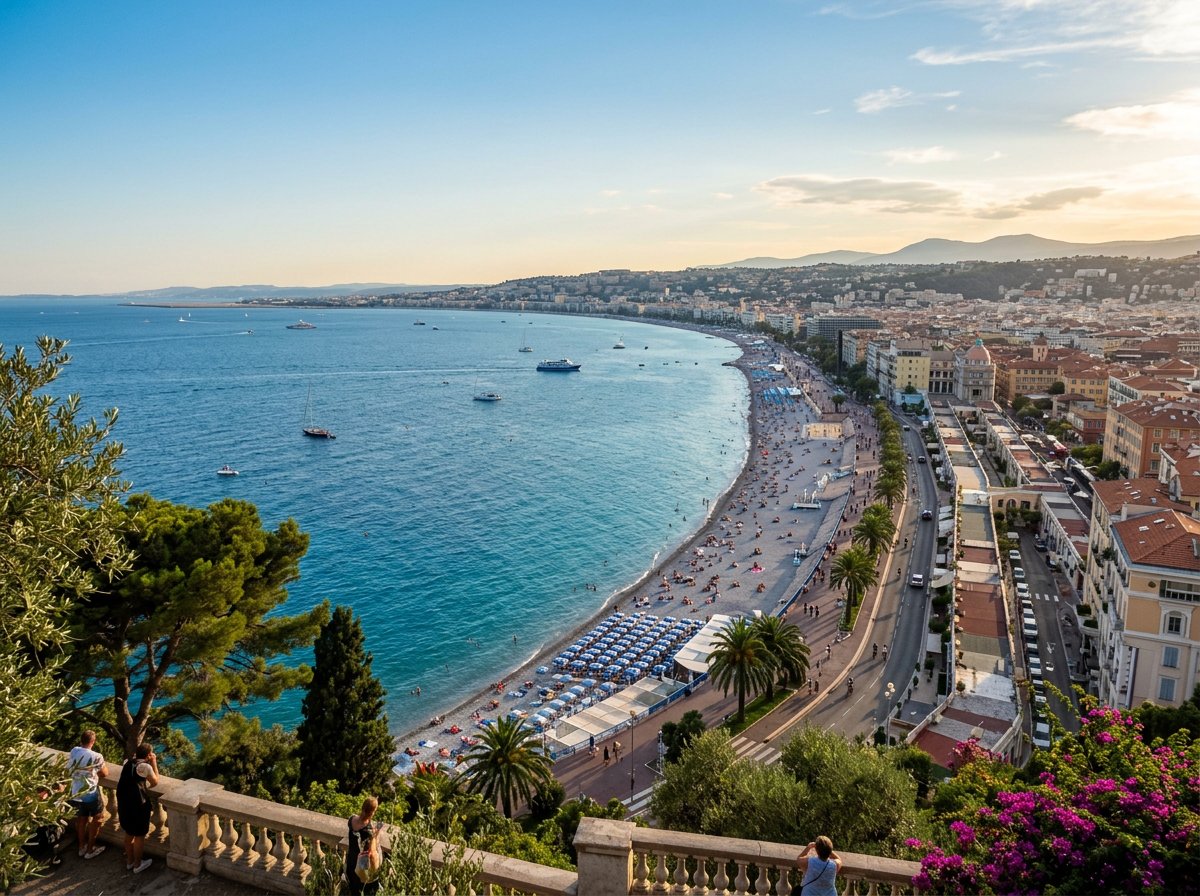
Nice is the rare Riviera city that feels like a real place, not a resort. Fishermen's colors on the Old Town buildings, a long curve of pebble beach, a market that locals actually shop at, and Italy close enough that the food shows it. If you are sorting through nice vacation spots and wondering whether it earns a place on your list, it does, and it works as both a destination and a base.
This guide covers what to do in Nice, when to go, how long to stay, where to sleep, and how to get around. It also points out which experiences are worth booking ahead. If you are planning a wider trip, our France travel guide shows how Nice fits with the rest of the country.
Top Things to Do in Nice, From the Promenade to Castle Hill
Most nice places to visit sit within a short walk of each other, which is part of the charm. Here is what first-timers should prioritize.
- Promenade des Anglais. Walk, bike, or just sit in one of the blue chairs facing the Baie des Anges. It is the city's front porch.
- Vieux Nice (Old Town). A maze of narrow, ochre-colored lanes with chapels, small shops, and wine bars. Get lost on purpose.
- Castle Hill (Colline du Château). There is no castle left, but the park and the view over the rooftops, port, and bay are the best in town. Climb the stairs or take the lift.
- Cours Saleya market. Flowers, produce, olives, and spices fill this square in the morning, and restaurants take over later in the day.
- Place Massena. The checkerboard plaza with red-toned buildings is the city's main meeting point and a good orientation landmark.
- Musée Matisse and the Cimiez hill. Matisse lived in Nice for years, and Cimiez adds Roman ruins, gardens, and a quieter, leafy side of the city.
- Marc Chagall National Museum. A calm, light-filled museum devoted to the painter's biblical works.
- Port Lympia. Colorful boats, cafes, and a more local feel than the beachfront. Good for an evening stroll.
- Russian Orthodox Cathedral. Its green onion domes look out of place on the Riviera, which is exactly why it is worth the detour.
- A swim from the pebble beach. The water is clear and the stones are hard on bare feet, so bring water shoes. Beach clubs rent loungers if you want comfort.
If you would rather have context while you explore, a guided walking tour of Old Town and Castle Hill adds history you will not get from signs alone.
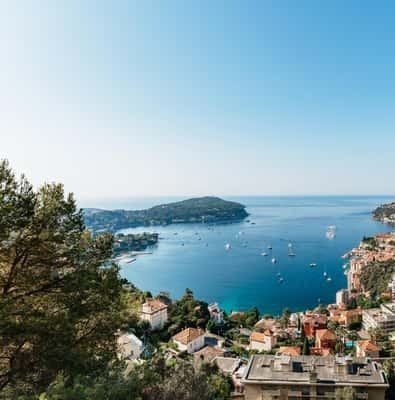
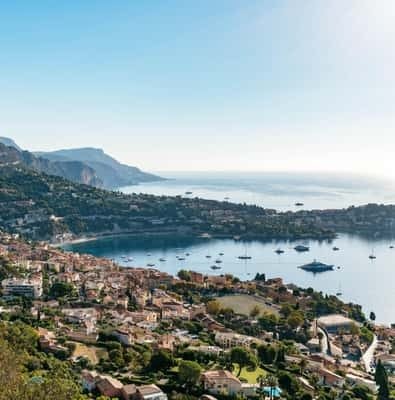
Places to Put on Your Nice Map
- Promenade des Anglais
- Old Town (Vieux Nice)
- Castle Hill (Colline du Château)
- Cours Saleya Market
- Musée Matisse
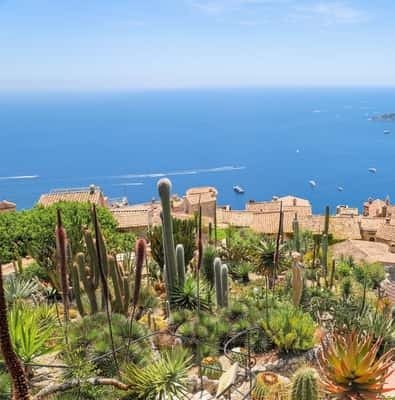
- Èze Village
- Monaco (Monte Carlo Casino)
Best Time to Visit Nice Through the Seasons
The best time to visit Nice is late spring and early fall. May, June, and September bring warm days, swimmable seas by late spring or early summer, and manageable crowds. Flowers are in bloom in spring, and September water is still warm from the summer.
July and August are hot, bright, and busy. Beaches fill up, hotels book out early, and day trip spots like Eze and Monaco get crowded by late morning. If summer is your only window, start early and plan midday swims or museum visits.
Winter is mild compared with most of Europe. Days are often sunny and pleasant for walking, though the sea is too cold for most swimmers and some seasonal businesses slow down. Rain tends to show up in fall and early spring in heavy bursts rather than long gray spells. Pack a light layer year-round, because the evening breeze off the water can surprise you.
Month by Month in Nice
Late spring and early fall bring warm sea air, fewer crowds and lower prices than peak summer
How Many Days to Spend in Nice and a Sample Itinerary
Three full days is a comfortable minimum. Four or five lets you slow down and add more day trips. Two days covers the highlights but leaves little room for the coast beyond the city.
- Day 1, Nice itself. Morning at Cours Saleya, a wander through Old Town, lunch on socca, then climb Castle Hill in the afternoon. End with a walk on the Promenade at sunset.
- Day 2, Monaco and Eze. Visit the medieval perched village of Eze in the morning, then continue to Monaco and Monte-Carlo for the harbor, the casino square, and the old rock. This is one of the most popular day trips for good reason.
- Day 3, Coast or countryside. Take a boat day with swimming and snorkeling, or head into the hills for hilltop villages in the Provence direction.
- Day 4, Slow Nice. Matisse, Chagall, a long lunch in Port Lympia, and a beach afternoon.
A full-day Riviera tour from Nice is a good fit if you only have one day to spare and want to see several towns without handling transport.
Where to Stay in Nice France by Neighborhood
Choosing where to stay in Nice France is mostly about the vibe you want, since the city is compact.
- Vieux Nice. Best for atmosphere and restaurants. Rooms can be small and the streets are lively at night, so ask about noise.
- Promenade and Jean-Medecin area. Convenient for sea views, shopping, and the tram. The streets just back from the water are often better value than the front row.
- Port and Carré d'Or. A relaxed, local-feeling base with easy access to the port and Old Town. The Carré d'Or has smarter boutiques and hotels.
- Near the train station (Gare de Nice-Ville). Practical for day trips by rail and for early departures, though the area is less charming after dark.
- Cimiez. Quiet, residential, and hilly. Good if you want space and calm and do not mind a bus or taxi ride.
For a first visit, Vieux Nice or the area just behind the Promenade puts you closest to everything.
Getting Around Nice and Along the Riviera
Nice is very walkable. The tram connects the airport, the main avenue, and the station, and buses fill in the gaps. You rarely need a car in the city, and parking is a headache.
For the coast, regional trains run east to Villefranche-sur-Mer, Monaco, and Menton, and west to Antibes and Cannes. They are scenic, frequent, and simple. Buses reach hillside spots like Eze, though schedules take more planning. Marseille is a longer rail journey west, so if you are connecting there, our Marseille guide will help you plan the next stop.
If you search nice places to visit near me once you arrive, you will mostly get Old Town, the port, and the beach. For anything farther out, the hill villages and Monaco are easier with a guided trip than a patchwork of buses. And if you are coming from Paris, flying is the fastest way, and our Paris guide can help you plan the other end.
Is Nice Safe? Practical Tips for Visitors
Yes, Nice is generally safe for tourists, and most visits are trouble-free. The most common problems are petty theft, such as pickpocketing in crowds, at the station, on trams, and around busy Old Town spots. Use a zipped bag, keep phones off cafe tables, and do not leave belongings unattended on the beach while you swim.
Like any big city, it is wise to be alert late at night, especially in less crowded areas near the station. Stick to well-lit streets and use a taxi or ride service if you are heading back late.
A few other tips help. Wear sunscreen and a hat, because the Riviera sun is strong even in spring. Bring comfortable shoes for the cobblestones and Castle Hill stairs. Many restaurants close between lunch and dinner, so plan snacks. A basic greeting in French, like bonjour, goes a long way in shops and cafes.
Local Food Worth Trying in Nice
Niçoise cooking is its own thing, shaped by olive oil, anchovies, and nearby Italy. Look for these classics:
- Socca. A crisp chickpea pancake, usually served hot and peppery in paper. A perfect market snack.
- Salade niçoise. The real version is fresh and built on tomatoes, tuna, eggs, olives, and anchovies, with no cooked potatoes in sight for purists.
- Pissaladière. Caramelized onion tart with anchovies and olives.
- Pan bagnan. A sandwich built like a salade niçoise, soaked in olive oil.
- Petits farcis. Vegetables stuffed with a savory filling.
- Tourte de blettes. A sweet-savory Swiss chard pie that surprises first-timers.
Pair meals with a local rosé, or try the small-production Bellet wines from the hills just above the city. For dessert, look for fruit-forward gelato in Old Town.
What to Book Ahead in Nice and Which Day Trips Are Worth It
Nice works well on its own, but the area around it is where many travelers find their favorite memories. The most booked experiences are the Riviera day trips, and they are popular enough that busy-season spots fill up. A Nice tours and day trips page is a good place to compare options.
- Eze, Monaco, and Monte-Carlo. Half-day and full-day versions let you choose how much time to spend in each place.
- Best-of-the-Riviera tours. Good for first-timers who want a broad sample of the coast in one go.
- Electric mini car tours. A playful way to see the coastline with a live guide.
- Swimming and snorkeling cruises. A highlight on a hot day, with clear water and a different view of the coast.
- Medieval villages of Provence. A day in the hills, away from the beach scene.
- Old Town and Castle Hill walks. Best on your first morning, so the rest of your trip makes more sense.
Book the most popular excursions before you arrive, especially for summer and weekends. Leave a free day or two with no plans, because in Nice the best moments are often an unplanned lunch or a long swim.