France is the kind of country where you can spend a week in one city and still feel like you barely started. There are world-famous museums and palaces, limestone villages, pebbled Mediterranean beaches, rugged gorges, and a food culture that turns an ordinary lunch into the best part of the day.
This guide covers the places most first-time visitors want to see, when to go, how long to stay, where to base yourself, and what to sort out before you leave home. It leans on Paris and the French Riviera, because that is where most American travelers spend their time.
Things to Do in Paris France and Other Places to Visit in France
If you are searching for things to do in France, start by deciding how much of the country you want to see. Paris could fill an entire trip, and our Paris guide goes deeper on the city. Here is a mix of the big hitters across the country.
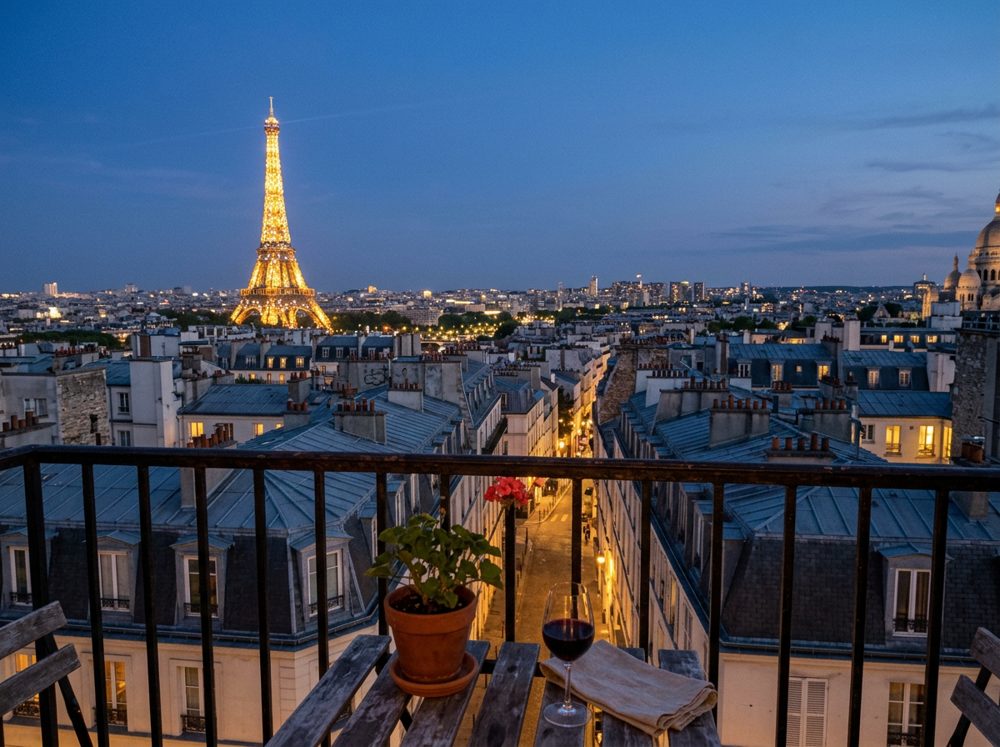
- Eiffel Tower. Go up if you like views, or skip the lines and watch it sparkle from the Trocadéro or a picnic on the Champ de Mars.
- The Louvre and Musée d'Orsay. Pick one for a full visit. The Louvre is vast, while the Orsay's Impressionist collection in a former train station is easier to manage.
- Île de la Cité and Sainte-Chapelle. The medieval heart of Paris has Notre-Dame and a chapel famous for its towering stained glass.
- Montmartre. Climb the hill to Sacré-Cœur, then wander the quieter streets behind it where artists once lived.
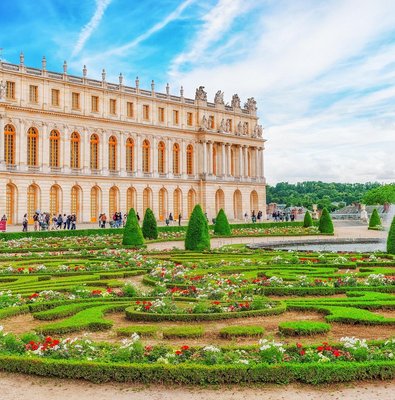
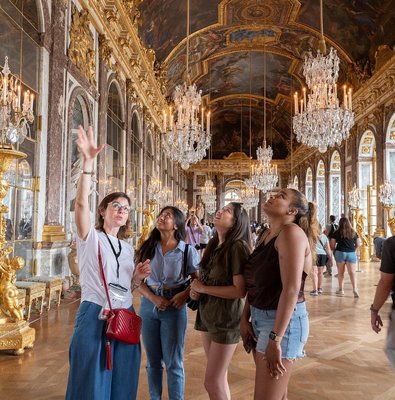
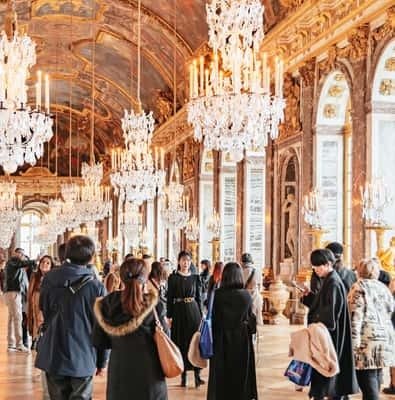
- Palace of Versailles. The Hall of Mirrors, the royal apartments, and the gardens make an easy day trip from Paris.
- Disneyland Paris. Families often give it a full day, and it is one of the simplest outings from the city.
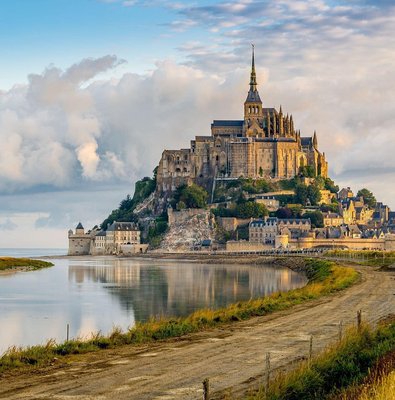
- Mont-Saint-Michel. A fortified abbey on a tidal island in Normandy, best when you can see it from the bay and then climb to the top.
- The French Riviera. Nice, Villefranche, Antibes, Cannes, and Saint-Tropez sit along one gorgeous stretch of Mediterranean coast.
- Provence. Think lavender fields, hilltop villages, markets, and the dramatic turquoise Verdon Gorge.
- The Loire Valley and Normandy. Fairy-tale châteaux in one, and the D-Day beaches and cider country in the other.

What to Do in Nice France and Along the Riviera
Nice is the best base on the Riviera because it has an airport, a walkable center, a real city feel, and easy connections to nearby towns. If you are wondering what to do in Nice France, start with the Promenade des Anglais, the long seafront walk lined with blue chairs. Then head into Vieux Nice, the old town of ochre buildings, narrow lanes, and the busy Cours Saleya market. Climb Castle Hill for a view over the bay and the red rooftops. The beaches are pebbly, so bring water shoes if you plan to swim.
Our guide to Nice has more neighborhood detail. For getting out on the water, a short coastal cruise to Villefranche Bay shows you one of the prettiest harbors on the coast. Many visitors also take a guided Riviera day trip to see Èze, Monaco, and other towns without worrying about trains or parking. You can browse France tours and tickets to compare options.
Month by Month in France
Late spring and early fall offer mild weather, manageable crowds, and fair prices.
Best Time to Visit France by Season
The best time to visit France for most people is late spring and early fall. From May to June and again in September and early October, the weather is comfortable, gardens are in bloom or the light is golden, and the crowds are manageable. The Riviera is warm enough for the beach in both windows.
Summer is hot and busy. Paris can feel stifling in a heat wave, and not every apartment or small hotel has air conditioning. The Riviera is at its liveliest and most crowded in July and August, and beaches, restaurants, and roads fill up. Many Parisians leave the city in August, so some small shops and restaurants close for a few weeks, though the major sights stay open.
Winter is cold, gray, and often rainy in Paris, but it brings smaller crowds and Christmas lights and markets. The Riviera stays mild and sunny enough for walks, though it is too cool for swimming. Mont-Saint-Michel is crowded through the middle of the day in any season, so try to arrive early or stay late.
How Many Days You Need and a South of France Itinerary
Give Paris at least three full days. Add a fourth for Versailles or another day trip. If you want the Riviera too, plan for a week to ten days total. That gives you time to enjoy both without spending half of your trip on trains.
Here is a sample route that works well for a first visit.
- Days 1 to 4, Paris. Cover the Eiffel Tower, the Louvre or Orsay, Île de la Cité, Montmartre, and a Versailles day.
- Day 5, travel south. Take the high-speed train to Nice and spend the evening on the seafront.
- Day 6, Nice. Explore the old town, the market, and Castle Hill.
- Day 7, Riviera coast. Take a boat or guided day trip to Villefranche, Èze, Monaco, or Saint-Tropez.
- Day 8, Provence. Head inland to the Verdon Gorge and hilltop villages.
- Days 9 and 10, optional. Add Marseille for its Old Port, calanques, and bold food scene, using our Marseille guide, or use the time for Antibes and Cannes.
That makes a solid south of France itinerary without too many hotel changes. Mont-Saint-Michel fits best as an overnight from Paris, or a long day if you do not mind the hours on the road.
Where to Stay in Paris, Nice, and Beyond
In Paris, Le Marais is central, walkable, and full of cafés and boutiques. Saint-Germain-des-Prés and the Latin Quarter feel classically Parisian and put you near the Seine and major museums. Montmartre is charming and hilly, and a good choice if you like village-style streets. Staying near a Metro line matters more than being close to any single monument.
In Nice, Vieux Nice puts you in the middle of restaurants and nightlife, though it can be loud. The streets near the Promenade des Anglais are calmer and have sea views. Near the train station and Jean-Médecin avenue, you will find practical, well-connected hotels. The port area is quieter and local.
For Marseille, the Vieux-Port is the easiest base. For Mont-Saint-Michel, staying on the island or in a nearby village lets you see it after the day-trippers leave.
Getting Around France by Train, Metro, and Car
France's rail network is one of the best ways to travel between big cities. High-speed trains connect Paris with Nice, Marseille, and many other destinations, and booking ahead usually gives you better seat choices. Slower regional trains run along the Riviera, linking Nice with Antibes, Cannes, Villefranche, and Monaco.
In Paris, the Metro is fast and covers nearly everything you will visit. Versailles is easy to reach by suburban rail. In Nice, the tram and buses are simple to use, and the old town and seafront are best on foot.
A rental car makes sense for Provence villages or the Verdon Gorge if you are comfortable with narrow roads, roundabouts, and tolls. Inside cities, you do not need one. Places like Mont-Saint-Michel and the Verdon Gorge are awkward without a car, so guided day trips solve a lot of logistics.
Is France Safe, Plus Your Packing List
France is a safe country for most visitors, and millions of Americans travel there without trouble. The most common problem is pickpocketing, especially on the Paris Metro, around the Eiffel Tower and Sacré-Cœur, and in crowded spots in Nice. Keep your phone in a front pocket or zipped bag, be skeptical of strangers with clipboards or friendship bracelets, and stay alert in crowds. At night, use the same sense you would in any large city. Transit strikes happen occasionally, so build a little slack into travel days.
Your travel packing list for a France vacation should start with comfortable walking shoes, since you will cover a lot of cobblestones. Then add:
- Layers and a light rain jacket, since Paris weather changes quickly
- A zippered crossbody bag or secure daypack
- A European plug adapter for Type C and E outlets
- Swimsuit and water shoes for the Riviera's pebble beaches
- Modest clothing that covers shoulders and knees for churches
- A card that works with chip and PIN, plus a little cash
- A refillable water bottle and offline maps
French Foods Worth Trying in Paris, Nice, and Beyond
In Paris, begin with a fresh croissant and café crème, then work through steak frites, French onion soup, duck confit, and a proper cheese course. A crêpe from a street stand is a perfect snack, and buttery galettes are a Brittany and Normandy specialty.
Nice has its own cooking, shaped by the Mediterranean and Italy. Try socca, a crisp chickpea pancake, a real salade niçoise, and pissaladière, a caramelized onion tart. In Marseille, order bouillabaisse, the famous fish stew. Across Provence, look for ratatouille, olive tapenade, and rosé wine on a sunny terrace. In Normandy, the apple cider, camembert, and seafood are all worth your time.
What to Book Ahead for Your France Trip
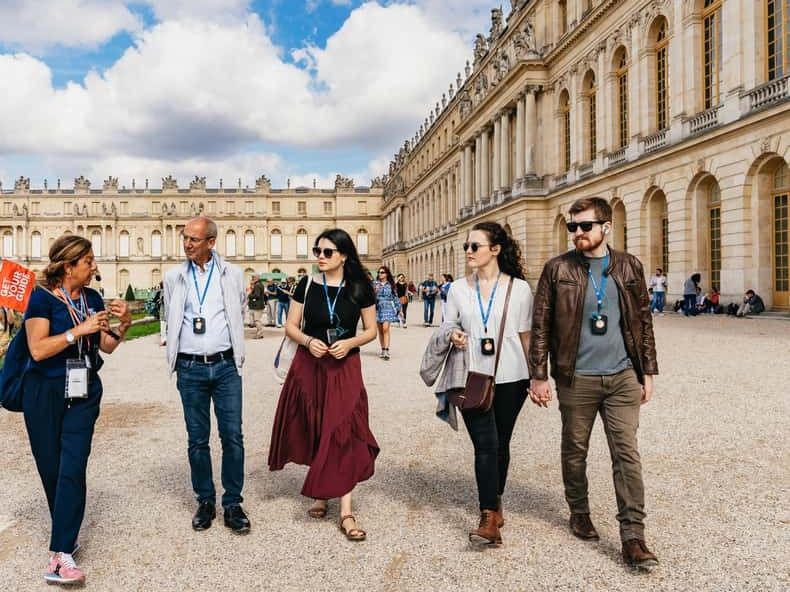
A few experiences are worth reserving before you arrive, especially in warmer months. Versailles is the top example, because entry lines can be long and a timed ticket or guided tour with garden access saves a lot of waiting. Disneyland Paris is another one to arrange in advance, particularly if you want to see both parks in a day. Mont-Saint-Michel's abbey also benefits from advance entry, since the island is small and busy.
On the Riviera, boat trips and day tours fill up quickly. Popular choices include a Riviera highlights day trip from Nice, a coastal cruise to Villefranche Bay, a boat day to Saint-Tropez, and a full-day excursion to the Verdon Gorge and Provence. You can see current options on our France tours page and lock in the big ones first. Leave the rest of your days loose, because wandering a market or lingering over lunch is often what you will remember most.